
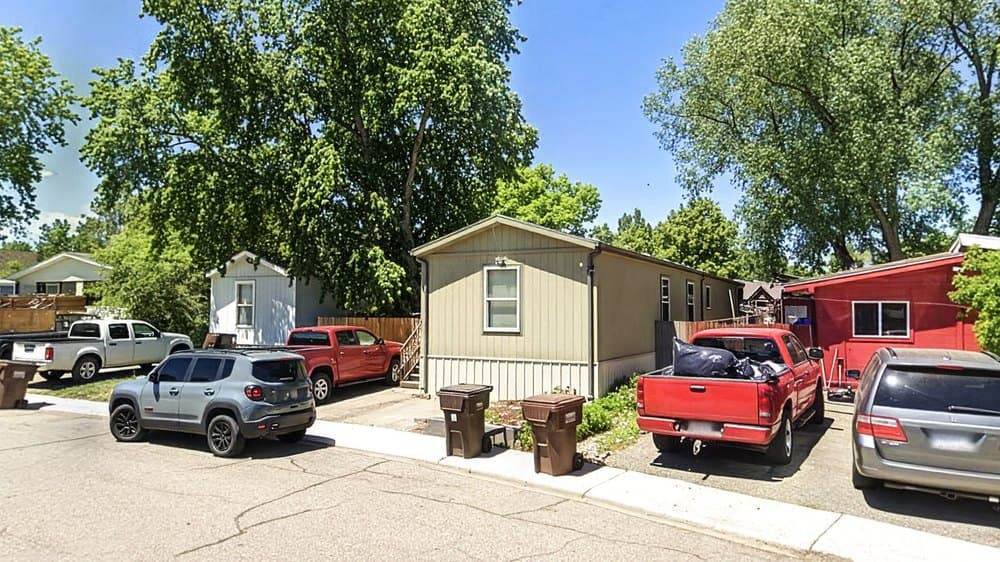
Mobile Home Residents in Colorado Race to Buy Their Park for $42.5 Million
Imagine living somewhere for nearly two decades, putting down roots, building a community — and then finding a Post-it note on your door that could change everything. That's exactly what happened to Damien Teague, an 18-year resident of San Lazaro Mobile Home Park in Boulder County, Colorado, when he learned on March 20 that the park's owners were planning to sell the property for $42.5 million.
For Teague, a medically retired Navy veteran, the news wasn't just personal — it was a gut punch felt by 212 other households who call San Lazaro home. But instead of accepting an uncertain fate, Teague and his neighbors are fighting back using a powerful legal tool that more mobile home park residents across the country are beginning to discover.
What Is the First Right of Refusal Law?
In Colorado, a state law grants mobile home park residents the opportunity to purchase their community before the owner can sell it to an outside buyer. This is known as the "first right of refusal." Once residents receive official notice that their park is being sold or repurposed, they have 120 days to submit a formal offer. If no agreement is reached by the end of that period, the seller is then permitted to move forward and sell to another party.
This law is designed to give long-term residents a fighting chance to retain their homes and their community rather than being displaced by developers or new landlords who might dramatically raise lot rents or redevelop the land entirely. Colorado is not alone in this approach — according to manufactured housing industry expert Glenn D. Esterson, 22 other states have similar laws in place, making this a growing movement in affordable housing policy across the United States.
How Damien Teague Took Action
When Teague woke up the morning after receiving the notice, he sat on his back porch and started researching his options — even turning to ChatGPT to help him understand the legal landscape. What he found was both daunting and empowering. He quickly realized that Colorado law was on the residents' side, but only if they acted fast and organized effectively.
"As I was sitting there, I also felt the stress of the 212 other households that were feeling the same thing, and that was enough for me to take action," Teague told Realtor.com. That sense of shared responsibility pushed him to become one of the key voices rallying the San Lazaro community to pursue collective ownership of the park.
The residents have since organized under the San Lazaro Residents Association and are actively working to secure financing and legal support to put together a credible offer within the 120-day window. The challenge is enormous — $42.5 million is a significant sum — but the alternative of displacement or skyrocketing lot rents is pushing residents to explore every possible avenue.
Why Mobile Home Park Ownership Matters for Affordable Housing
Mobile home parks represent one of the last remaining forms of naturally occurring affordable housing in the United States. Unlike apartments or traditional homes, manufactured housing allows lower- and middle-income families to own their dwelling while renting the land it sits on. This model keeps monthly costs manageable — but it also creates vulnerability, because residents can face dramatic rent hikes or eviction if the land is sold to investors with different priorities.
Over the past decade, private equity firms and institutional investors have been purchasing mobile home parks at an accelerating pace, often raising lot rents significantly after acquisition. This trend has displaced thousands of families nationwide and drawn increasing scrutiny from housing advocates and lawmakers alike. The first right of refusal laws that states like Colorado have enacted are a direct policy response to this trend.
When residents successfully purchase their own park — often through the formation of a resident-owned community (ROC) or housing cooperative — they gain long-term stability, the ability to set their own lot rents, and control over the future of their neighborhood. Organizations like ROC USA have helped hundreds of communities across the country complete exactly this kind of transaction.
The Financial and Legal Hurdles Ahead
Purchasing a mobile home park is not a simple task, even when the law is on residents' side. Securing $42.5 million in financing requires a combination of loans, grants, nonprofit partnerships, and sometimes government support. Residents typically work with community development financial institutions (CDFIs), state housing agencies, and mission-driven lenders who specialize in resident-owned community deals.
Legal support is also critical. Residents need experienced attorneys to review the purchase agreement, ensure compliance with state law, and protect their interests throughout the negotiation process. In Colorado, housing advocacy organizations and legal aid groups have been stepping up to support communities like San Lazaro as these situations become more common.
A Growing National Movement
The story of San Lazaro is not an isolated one. Across the country, mobile home park residents are becoming more aware of their legal rights and more willing to fight for their communities. As housing costs continue to climb in states like Colorado, the stakes have never been higher for the millions of Americans who depend on manufactured housing for stable, affordable shelter.
- 23 states, including Colorado, currently have first right of refusal laws for mobile home park residents.
- Residents have a 120-day window in Colorado to submit a purchase offer once they receive official notice of a sale.
- Resident-owned communities offer long-term rent stability and democratic control over neighborhood decisions.
- Organizations like ROC USA provide financing and technical assistance to help residents complete these purchases.
The outcome for San Lazaro residents remains uncertain, but their determination to exercise their legal rights is already making them an example for manufactured housing communities nationwide. Whether they ultimately succeed in purchasing the park or not, their story highlights both the vulnerability of mobile home park residents and the growing legal and financial tools available to help them fight back.
For Damien Teague and his 212 neighbors, this isn't just a real estate transaction — it's a battle for the place they call home.