
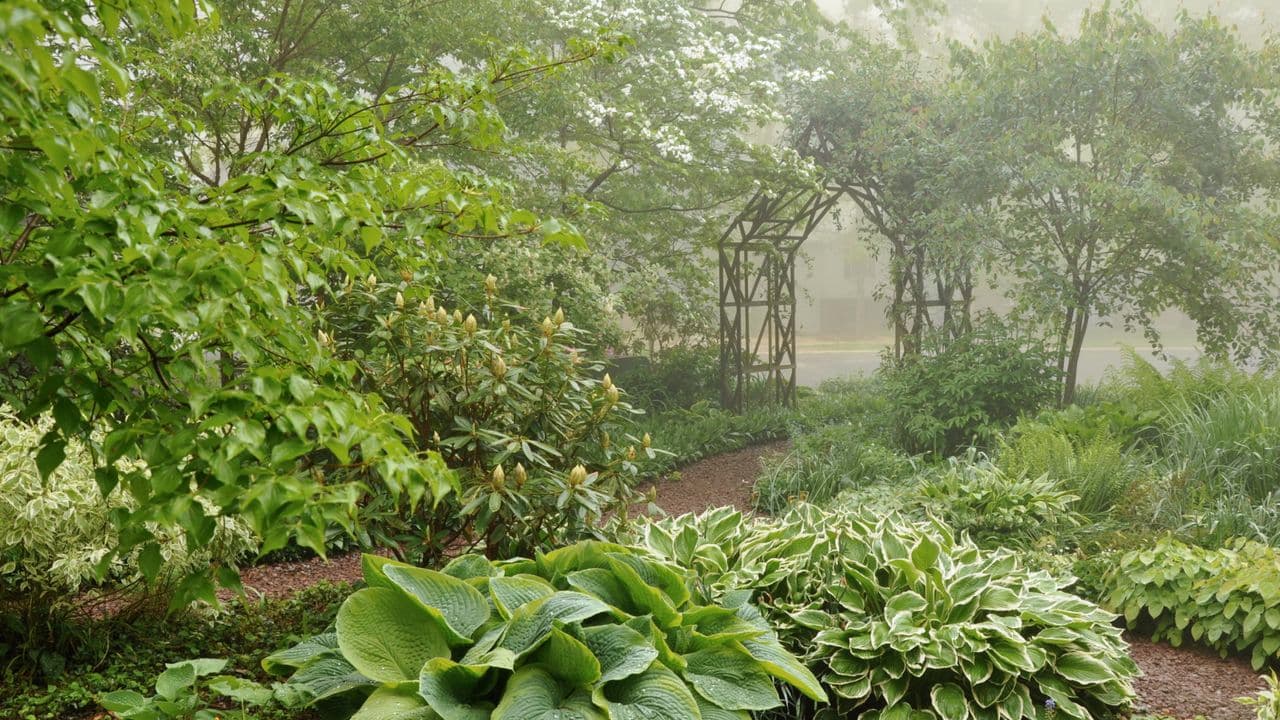
Why Shade Doesn't Have to Mean a Wildlife Desert
Many gardeners assume that attracting pollinators requires a sun-drenched flower bed bursting with roses and lavender. The truth, however, is far more encouraging. Shady yards, wooded corners, and north-facing borders can become thriving ecosystems filled with bees, butterflies, hoverflies, and even hummingbirds — if you choose the right plants. Shade-friendly plants that attract pollinators are not only possible; they are some of the most ecologically valuable additions you can make to any garden. With a thoughtful selection of shade-tolerant species, even the darkest corner of your outdoor space can buzz with life throughout the growing season.
Understanding Shade in the Garden
Before selecting plants, it helps to understand the type of shade you are working with. Not all shade is created equal, and matching a plant to its preferred light conditions is the single most important factor in success.
- Full shade receives less than two hours of direct sunlight per day. Think of areas beneath dense evergreens or on the shaded side of a building.
- Partial shade gets two to four hours of direct sun, often during the cooler morning hours. Many woodland plants thrive here.
- Dappled shade is filtered light passing through a tree canopy. This is the richest environment for a wide variety of pollinator-friendly plants.
Most pollinator-friendly shade plants perform best in partial to dappled shade. Understanding your specific conditions will help you create a planting plan that genuinely thrives rather than merely survives.
Top Shade-Tolerant Plants That Attract Pollinators
1. Foxglove (Digitalis purpurea)
Foxglove is one of the most iconic cottage garden plants, and it performs exceptionally well in partial shade. Its tall spires of tubular flowers in shades of purple, pink, white, and cream are perfectly shaped for bumblebees, which crawl deep inside to access nectar. Foxgloves are biennial, meaning they flower in their second year, but they self-seed generously, ensuring a continuous display. Plant them along fences or at the base of trees where they can receive dappled light and well-drained, humus-rich soil.
2. Astrantia (Astrantia major)
Known as masterwort, astrantia produces delicate, pincushion-like flowers that are irresistible to a wide range of pollinators, including bees, hoverflies, and butterflies. It thrives in partial shade and moist soil, making it an ideal candidate for woodland gardens or damp, shaded borders. The flowers appear from late spring through summer and come in shades of white, pink, and deep burgundy. Astrantia is also long-lasting as a cut flower, offering beauty both in the garden and indoors.
3. Bleeding Heart (Lamprocapnos spectabilis)
With its distinctive heart-shaped pink and white flowers dangling from arching stems, bleeding heart is a romantic and ecologically valuable addition to shaded spaces. Bumblebees are particularly drawn to its pendulous blooms, which offer a rich nectar reward. Bleeding heart thrives in partial to full shade and prefers cool, moist conditions, making it ideal for planting beneath deciduous trees where it receives spring sunlight before the canopy closes in.
4. Wild Columbine (Aquilegia canadensis)
Wild columbine is a native North American wildflower that has evolved alongside hummingbirds and long-tongued bees. Its distinctive spurred flowers in shades of red and yellow are perfectly adapted to attract these specialist pollinators. Columbine tolerates a wide range of shade conditions, from partial to dappled, and naturalizes beautifully in woodland settings. It is also drought-tolerant once established, making it one of the more low-maintenance options on this list.
5. Lungwort (Pulmonaria officinalis)
Lungwort is one of the earliest spring bloomers, making it an invaluable source of nectar for bees emerging from winter dormancy. Its flowers shift dramatically from pink to blue as they age, creating a multi-toned display on each plant simultaneously. Lungwort grows happily in partial to full shade and forms attractive mounds of spotted foliage that look decorative even when the plant is not in bloom. It is especially effective planted beneath hedges or along shaded pathways.
6. Toadflax (Linaria purpurea)
Purple toadflax is a slender, airy perennial that sends up slender spikes of tiny snapdragon-like flowers in shades of purple, pink, and white. It is particularly attractive to bumblebees and long-tongued solitary bees. While it prefers a sunnier spot, it performs admirably in partial shade and is highly tolerant of dry conditions once established. It self-seeds prolifically, filling gaps in borders with minimal effort on the gardener's part.
7. Sweet Cicely (Myrrhis odorata)
A lesser-known but highly valuable addition to the pollinator-friendly shade garden, sweet cicely produces elegant white umbel flowers in late spring that attract a wide range of bees, hoverflies, and beetles. The entire plant is edible and carries a pleasant anise fragrance. It grows vigorously in partial to dappled shade and can reach impressive heights, making it a useful structural plant at the back of shaded borders.
Creating a Pollinator Corridor in Shaded Areas
The most effective approach to attracting pollinators in shade is to create a layered planting scheme that provides food and shelter throughout as much of the year as possible. Aim to have something in flower from early spring, when lungwort and bleeding heart emerge, right through to late summer, when astrantia and toadflax are still going strong. Layer tall plants like foxglove and sweet cicely at the back, medium-height plants like columbine and astrantia in the middle, and low-growing ground cover species at the front.
Leave some areas of bare soil or loose leaf litter at ground level, as many solitary bees nest in the ground and need undisturbed patches to complete their life cycles. A small pile of logs or stones in a shaded corner can also provide habitat for beetles and other invertebrates that play an important role in the wider garden ecosystem.
Soil Preparation and Ongoing Care
Most shade-loving pollinator plants prefer soil that is rich in organic matter and retains moisture without becoming waterlogged. Before planting, work in generous quantities of leaf mold or well-rotted compost to improve both structure and nutrient content. Mulching annually with leaf mold will suppress weeds, retain moisture, and gradually improve the soil as it breaks down — mimicking the natural woodland floor conditions that many of these plants have evolved to thrive in. Avoid using peat-based products, as peat extraction is environmentally damaging.
The Bigger Picture: Why Pollinator-Friendly Shaded Gardens Matter
Pollinator populations have declined significantly in recent decades due to habitat loss, pesticide use, and climate change. Every garden, regardless of its size or the amount of sun it receives, has the potential to contribute to a broader network of wildlife habitat. By choosing shade-friendly plants that attract pollinators, you are not simply making your garden more beautiful — you are actively participating in the restoration of biodiversity at a local and regional level. Shaded gardens that were once considered gardening dead zones can become some of the most ecologically productive spaces in any neighborhood.
Start small if you need to. Even a single foxglove or a clump of astrantia in a forgotten corner can make a measurable difference. Over time, as you observe which plants perform best in your specific conditions and which pollinators visit most frequently, you can expand and refine your planting to create a genuinely wild and vibrant shaded garden that supports wildlife for years to come.