
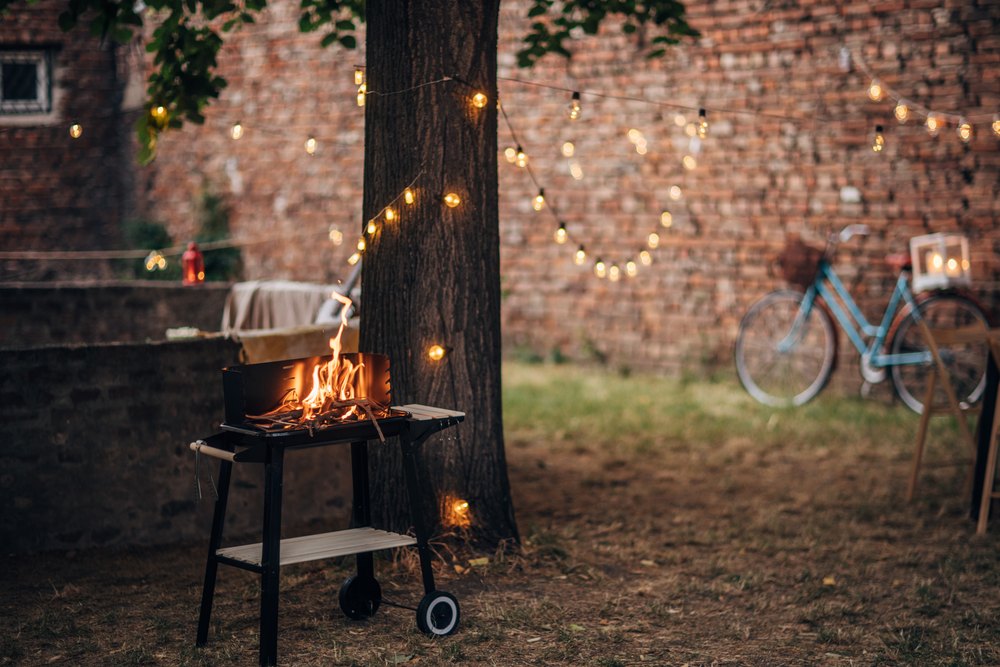
Summer Grilling and the Hidden Price Tag
Every summer, millions of Americans fire up their backyard grills for cookouts, family gatherings, and holiday celebrations. The smell of charcoal, the sizzle of burgers, and the company of friends and family make grilling one of the most beloved warm-weather traditions in the country. But behind that idyllic scene lurks a serious risk that far too many homeowners overlook: grill-related fires that can cause catastrophic and costly property damage.
Over Memorial Day weekend, a gas grill caused severe damage to a home in Duson, Louisiana. According to local fire authorities, the gas line running from the grill to the propane bottle ruptured, igniting a fire that required firefighters to check both the interior of the home and the attic. The incident is a sobering reminder that even a routine cookout can spiral into a disaster within minutes.
Understanding the dangers, knowing the warning signs, and following proven safety practices can be the difference between a great cookout and a devastating loss.
The Most Common Causes of Grill-Related Fires
Before you can protect your home, you need to understand what you're protecting it from. Grill fires don't happen randomly — they almost always stem from a handful of well-documented and largely preventable causes.
Grease Fires
Grease accumulation is one of the leading causes of grill fires. Every time you cook fatty meats, grease drips down into the drip tray, onto burner covers, and into the interior of the grill. Over time, this buildup becomes a fire hazard that can ignite suddenly and without warning. According to Edward Susolik, CEO and managing partner of law firm Callahan & Associates, homeowners need to take grease fires especially seriously: "As a homeowner, you need to focus on grease fires. They can climb and ignite your deck framing, vinyl siding, or anything overhanging, like leaves or branches."
Once a grease fire catches nearby surfaces, it can spread to your deck, your siding, and even the structural elements of your home in a matter of seconds.
Propane Leaks and Gas Line Failures
Propane-fueled grills present another serious hazard. Gas lines, connectors, and fittings can degrade over time, develop cracks, or become improperly connected. A small propane leak may go completely unnoticed until it reaches an ignition source — at which point the result can be explosive. The Duson, Louisiana incident is a textbook example: a ruptured gas line between the grill and the propane bottle was all it took to start a fire that caused moderate to severe damage to the entire home.
Aidan Carickhoff, partner and trial lawyer at Saltz Mongeluzzi Bendesky in Philadelphia, has seen these situations play out in court far too many times: "The cases I see most often involve fires that started small and escalated before anyone could intervene. Grease fires, propane leaks, and grills positioned too close to structures are the most common culprits, and in many cases, they're preventable."
Improper Grill Placement
Where you place your grill matters enormously. Many homeowners position their grills directly against exterior walls, under deck overhangs, beneath tree branches, or close to wooden fencing. Any of these configurations dramatically increases the risk of a fire spreading from the grill to the structure of your home. Industry experts and fire safety organizations consistently recommend keeping grills at least ten feet away from any structure, and far away from low-hanging vegetation.
The Financial and Structural Toll of Grill Fires
The National Fire Protection Association (NFPA) estimates that grills, hibachis, and barbecues are responsible for an average of nearly 10,000 home fires per year, resulting in hundreds of injuries and tens of millions of dollars in property damage annually. The financial consequences extend well beyond the cost of repairing fire damage itself.
- Structural repairs: Fire damage to deck framing, siding, roofing, and attic spaces can run into tens of thousands of dollars depending on the extent of the damage.
- Content loss: Outdoor furniture, patio equipment, and personal belongings stored nearby can be completely destroyed.
- Increased insurance premiums: Filing a fire damage claim can trigger higher homeowner's insurance rates for years after the incident.
- Temporary displacement: In severe cases, homeowners may need to temporarily relocate while repairs are completed, adding hotel and living expenses to the overall cost.
- Legal liability: If a grill fire spreads to a neighbor's property or injures someone, the homeowner may face civil litigation and significant legal costs.
Expert-Backed Grill Safety Tips to Protect Your Home
The good news is that the overwhelming majority of grill fires are preventable. By adopting a few key habits and following established safety guidelines, you can dramatically reduce your risk of a grill-related fire this summer.
Clean Your Grill Regularly
Make it a habit to clean your grill's grates, drip tray, and interior surfaces before and after each use. Removing built-up grease eliminates one of the most common ignition sources. A thorough deep clean at the start and end of the grilling season is equally important.
Inspect Gas Lines and Connections Every Season
Before firing up a propane grill for the first time each season, inspect all hoses, valves, and connections for signs of cracking, wear, or corrosion. A simple soap-and-water test — brushing soapy water over connections and watching for bubbles — can reveal gas leaks before they become dangerous. Replace any damaged components immediately.
Position Your Grill Safely
Always place your grill on a flat, stable, non-combustible surface at least ten feet from your home, garage, deck railings, overhead structures, and vegetation. Never grill inside a garage or enclosed space, even with the door open.
Never Leave a Lit Grill Unattended
It takes only moments for a small flare-up to become a full-scale fire. Stay close to the grill whenever it is in use, and keep a fire extinguisher or a bucket of sand nearby in case you need to act quickly.
Keep Children and Pets Away
Establish a clear safety zone around the grill during cooking. Children and pets can accidentally knock over a grill or come into contact with hot surfaces, creating both injury and fire risks.
Enjoy the Season — Safely
Summer barbecues are one of life's simple pleasures, and there is absolutely no reason to give them up. But enjoying the grill responsibly means taking its risks seriously. The combination of proper maintenance, smart placement, and attentive cooking habits can protect your home, your family, and your finances from the very real dangers that come with backyard grilling. Don't let a preventable accident put a price tag on your summer.