
Why Your Hanging Baskets Might Not Be Living Up to Their Potential
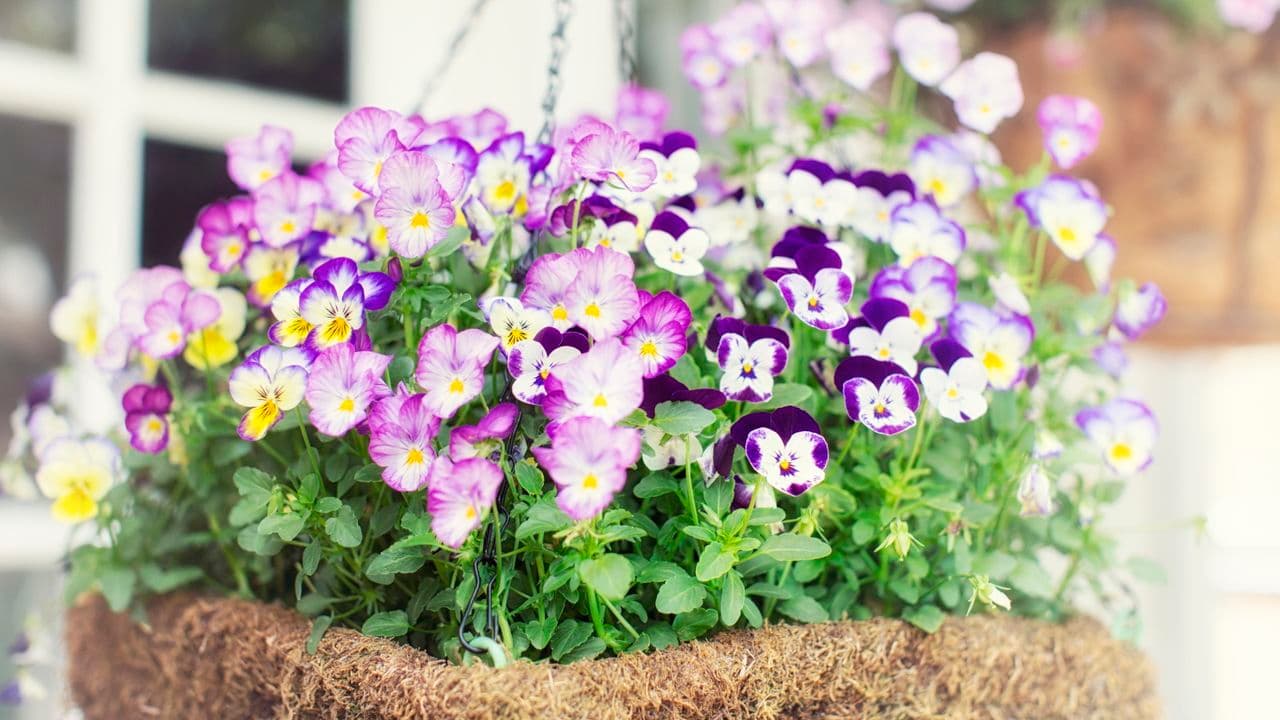
There is something undeniably cheerful about a hanging basket overflowing with color. Whether flanking a front door, decorating a patio, or brightening up a garden fence, a well-kept hanging basket can be the most eye-catching feature of any outdoor space. Yet every season, gardeners find themselves puzzled by the same frustrating pattern: their baskets start out gorgeous in late spring, then slowly — sometimes quickly — fade into a scraggly tangle of stems and spent flowers long before summer is even over.
The good news? This is almost entirely preventable. The secret lies not in an expensive fertilizer, a specialty soil mix, or some rare gardening technique. It comes down to one consistent, simple weekly habit that professional gardeners and seasoned horticulturists rely on every single season. Once you understand why it works and how easy it is to build into your routine, you will wonder how you ever gardened without it.
The One Weekly Habit That Changes Everything: Deadheading
The habit is deadheading — the practice of removing spent, faded, or dying flowers from your plants on a regular basis. While the name might sound a little dramatic, the concept is refreshingly simple. When a flower finishes blooming, the plant's energy naturally shifts toward producing seeds. From a survival standpoint, this makes perfect sense for the plant. From a gardener's standpoint, however, it means fewer new blooms, declining visual appeal, and a basket that looks tired by midsummer.
By removing those spent flower heads before they go to seed, you are essentially sending the plant a signal to keep producing more flowers. You are redirecting its energy away from reproduction and back toward blooming. The result is a hanging basket that stays fuller, more colorful, and more vibrant for weeks — sometimes months — longer than one that is left to its own devices.
Done consistently once a week, deadheading takes no more than five to ten minutes per basket and requires nothing more than your fingertips or a small pair of clean garden scissors. It is one of the highest-return tasks you can perform in the garden relative to the time it takes.
How to Deadhead a Hanging Basket Correctly
Proper technique matters more than most gardeners realize. Simply pulling off the colorful petals is not enough — you need to remove the entire flower head, including the base where the petals attach (called the calyx) and ideally the stem down to the next set of leaves or bud. This ensures the plant does not waste energy on what remains of the spent bloom.
Here is a simple step-by-step approach to follow each week:
Work your way around the entire basket, looking for flowers that have wilted, browned, or lost their petals. Even flowers that look only partially faded should be removed — catching them early keeps energy redirected to newer buds.
Pinch or snip each spent flower off at the base of its stem, just above a leaf node or emerging bud. For delicate plants like lobelia or bacopa, your fingertips work perfectly. For thicker-stemmed varieties like geraniums or fuchsias, small clean scissors or pruning snips make a cleaner cut.
Remove any yellowing or dead leaves at the same time. These can harbor pests and disease if left in place, and tidying the foliage keeps the basket looking lush and healthy.
After deadheading, give your basket a good drink of water and a diluted dose of liquid fertilizer if it has been a week or more since the last feeding. Deadheading and feeding work together to maximize bloom production.
Pair Deadheading With These Supportive Habits for Even Better Results
Deadheading is the cornerstone habit, but a few complementary practices will help your hanging baskets truly shine from late spring through the first frosts of autumn.
Water Consistently and Deeply
Hanging baskets dry out far faster than ground-level containers because they are exposed to air movement on all sides. During warm weather, daily watering is often necessary. The key is to water until moisture runs freely from the bottom of the basket — a light sprinkle barely penetrates the root zone and leaves plants stressed and less able to produce blooms. Consider adding water-retaining gel crystals to the potting mix at planting time to reduce how often watering is needed.
Feed Weekly With a High-Potassium Fertilizer
Nitrogen encourages leafy green growth, but potassium is what drives flower production. A weekly liquid feed with a tomato fertilizer or a dedicated flowering plant feed gives your basket exactly what it needs to keep producing blooms at a rapid pace. Do not skip this step — baskets in full bloom are working hard and depleting nutrients quickly.
Rotate Your Basket Regularly
If your basket hangs in a spot that receives uneven light, rotating it a quarter turn each week ensures all sides of the plant receive adequate sun. Uneven light leads to uneven growth, with one side blooming vigorously while the shaded side trails behind.
The Best Plants for Long-Lasting Hanging Baskets
Choosing the right plants makes deadheading even more rewarding. Some varieties are naturally prolific bloomers and respond exceptionally well to regular deadheading. Top performers include petunias, which produce wave after wave of new flowers when spent blooms are consistently removed; trailing fuchsias, whose elegant pendulous flowers keep coming all summer with weekly attention; geraniums (pelargoniums), which are remarkably resilient and reward deadheading with continuous color; calibrachoa, also called million bells, which is technically self-cleaning but still benefits from an occasional trim; and verbena, which blooms in dense clusters and flushes with new color after deadheading.
A Small Habit With a Big Seasonal Payoff
The gardeners who end each summer with full, flowering hanging baskets are not necessarily more skilled or more knowledgeable than those whose baskets fade by July. More often than not, the difference comes down to one committed weekly habit performed consistently throughout the growing season. Deadheading is not glamorous, but it is genuinely transformative. Set aside ten minutes each week, work through your baskets with care, follow up with water and feed, and you will be rewarded with displays that turn heads, invite compliments, and keep your outdoor spaces looking their absolute best from the first warm days of spring right through to the final weeks of autumn.