
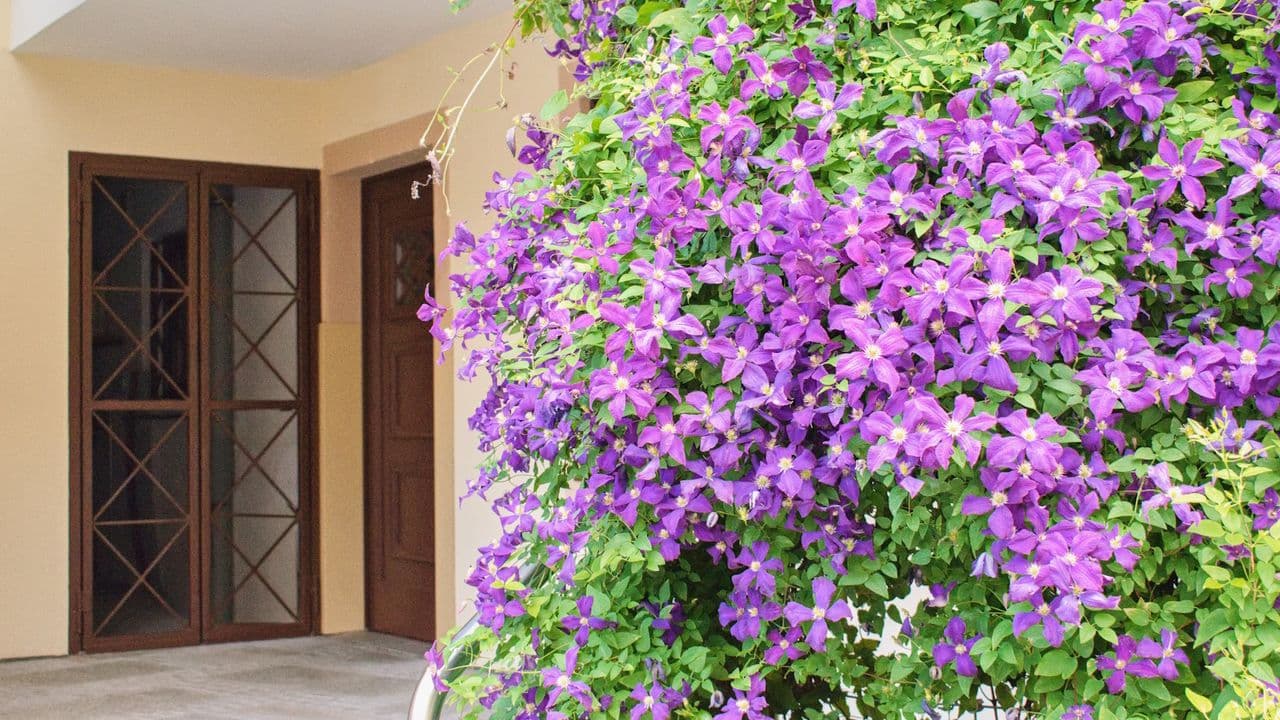
What to Do With Clematis in June for a Show-Stopping Climb of Blooms
June is one of the most exciting months in the garden, and if you grow clematis, you already know why. These beloved climbing plants are either hitting their peak flowering stride or gearing up for a second spectacular flush — and what you do right now can make the difference between a modest display and a jaw-dropping wall of colour that lasts well into autumn. Whether you're a seasoned gardener or a first-time clematis grower, this guide covers everything you need to do with your clematis in June to get the very best from it.
Understanding Your Clematis Group First
Before you reach for the secateurs or the fertiliser, it's important to know which pruning group your clematis belongs to. This single piece of knowledge shapes almost every decision you'll make in June and beyond.
- Group 1 (Early Flowering): These flower on old wood in late winter or early spring. By June, they've finished blooming and any light tidying-up pruning should already be done or completed now without delay.
- Group 2 (Early Large-Flowered): These are the big, showy varieties that produce their first flush in late spring and early summer, often on old wood. In June, many are in full bloom or just finishing their first wave — and they'll rebloom later in the season.
- Group 3 (Late Flowering): These are hard-pruned in late winter and are now building strong new growth in June. Their main flower show comes from midsummer onwards, so June is a critical month for training and feeding.
If you're unsure which group you have, check the label from when you bought it or look up the variety name online. Getting this right is the foundation of successful clematis care.
Pruning Clematis in June: What Needs Cutting and What Doesn't
June pruning depends entirely on your clematis group, but there are a few universal rules that apply to almost every plant.
Deadheading Spent Blooms
For Group 2 clematis that are finishing their first flush of flowers, deadheading is one of the most rewarding tasks you can do in June. Snip off the faded blooms just above a healthy set of leaves or a visible bud. This redirects the plant's energy away from seed production and encourages it to push out fresh growth that will carry a second, often equally impressive, flush of flowers in late summer.
Tidying Group 1 After Flowering
If you have a Group 1 clematis such as Clematis montana, June is your last chance to do any necessary pruning before next year's flower buds begin to set. Remove dead, damaged, or overcrowded stems and cut back any growth that has sprawled beyond where you want it. Avoid heavy pruning at this stage, as you risk removing potential flowering wood for next spring.
Training New Shoots on Group 3
Group 3 varieties don't need pruning in June — they need guiding. Their new stems are long, vigorous, and fast-growing this month. Rather than cutting them, weave and tie them into your support structure regularly to prevent them from tangling into an unmanageable knot. Left unchecked for even a week or two, they can become incredibly difficult to untangle without snapping fragile stems.
Feeding Clematis in June for Maximum Bloom Power
June is a hungry month for clematis. These are fast-growing, heavy-flowering plants that respond dramatically to the right nutrition. A high-potash liquid fertiliser — the same type used for tomatoes — applied every two weeks throughout June and July will fuel both ongoing flowering and the development of next season's buds.
If your clematis is growing in a container, feeding becomes even more critical. Nutrients in pots leach out quickly with regular watering, so a consistent feeding routine is essential to prevent the yellowing leaves and poor flowering that come with nutrient deficiency. For clematis in open ground, you can supplement liquid feeding with a top-dressing of a slow-release granular fertiliser around the base of the plant at the start of the month.
Avoid high-nitrogen feeds, which push leafy green growth at the expense of flowers. Potassium is your friend in June — it promotes strong root development, disease resistance, and abundant blooms.
Watering Clematis in June: Getting the Balance Right
As temperatures rise through June, clematis — especially newly planted ones or those in containers — need consistent moisture at the roots. Deep, infrequent watering is far more beneficial than a light daily sprinkle. Aim to water thoroughly at the base of the plant, allowing moisture to penetrate at least 15–20 cm into the soil.
One of the golden rules of clematis growing is to keep the roots cool and shaded while the top growth enjoys the sun. Placing a large flat stone or a layer of mulch around the base of the plant achieves this beautifully. A 5–7 cm layer of garden compost, bark chips, or well-rotted manure applied in June will lock in moisture, regulate soil temperature, and suppress competing weeds all at once.
Checking for Clematis Wilt and Common Problems
June is also the time to stay vigilant for clematis wilt, a fungal disease that can cause stems to collapse dramatically and seemingly overnight. If you notice a stem wilting suddenly, cut it back to healthy growth at or below soil level, remove and dispose of affected material, and avoid composting it. Most established clematis will recover if caught early. Planting clematis deeply — with the crown 10–15 cm below the soil surface — is the single best preventative measure, as it allows the plant to regenerate from below ground if wilt strikes above.
Watch also for aphids clustering on soft new growth, powdery mildew during dry spells, and earwigs damaging petals. A blast of water from the hose handles minor aphid infestations, while improving air circulation around the plant helps prevent mildew from taking hold.
Training and Supporting Your Clematis for a Fuller Display
A well-trained clematis in June is a thing of beauty. Rather than allowing all the stems to grow straight up, fan them out horizontally or diagonally across your support. This technique — used by experienced growers and professional gardeners alike — tricks the plant into producing flowering shoots along the entire length of each stem rather than just at the top. The result is a much fuller, more generous display of blooms rather than a cluster of flowers at the very tip of each vine.
Use soft garden twine, cable ties, or specialist plant clips to attach stems to trellis, wire, or obelisk supports. Check ties regularly throughout June, as rapid growth can mean stems outpace their supports quickly, and a heavy summer shower can bring unsupported growth tumbling down.
June Clematis Care: A Simple Monthly Checklist
- Deadhead spent blooms on Group 2 varieties to encourage reblooming.
- Apply a high-potash liquid feed every two weeks.
- Top-dress with mulch to retain moisture and cool the roots.
- Water deeply and consistently, especially in dry or warm spells.
- Train and tie in new shoots on Group 3 varieties regularly.
- Inspect plants for signs of wilt, aphids, or mildew.
- Tidy up Group 1 clematis after flowering is fully complete.
The Reward for Getting June Right
Clematis are among the most generous garden plants when given the right care at the right time. A little focused attention in June — deadheading, feeding, watering, and training — sets your plant up for months of spectacular performance. Group 2 varieties will reward you with a glorious second flush later in the summer. Group 3 types will build to a magnificent late-season crescendo. And even your Group 1 plants, having finished their spring show, will be quietly storing energy for another breathtaking display next year.
Make June your clematis month. The few minutes of care you invest now will pay dividends in blooms from midsummer all the way through to the first frosts — a show-stopping climb of colour that will make your garden the envy of the neighbourhood.