
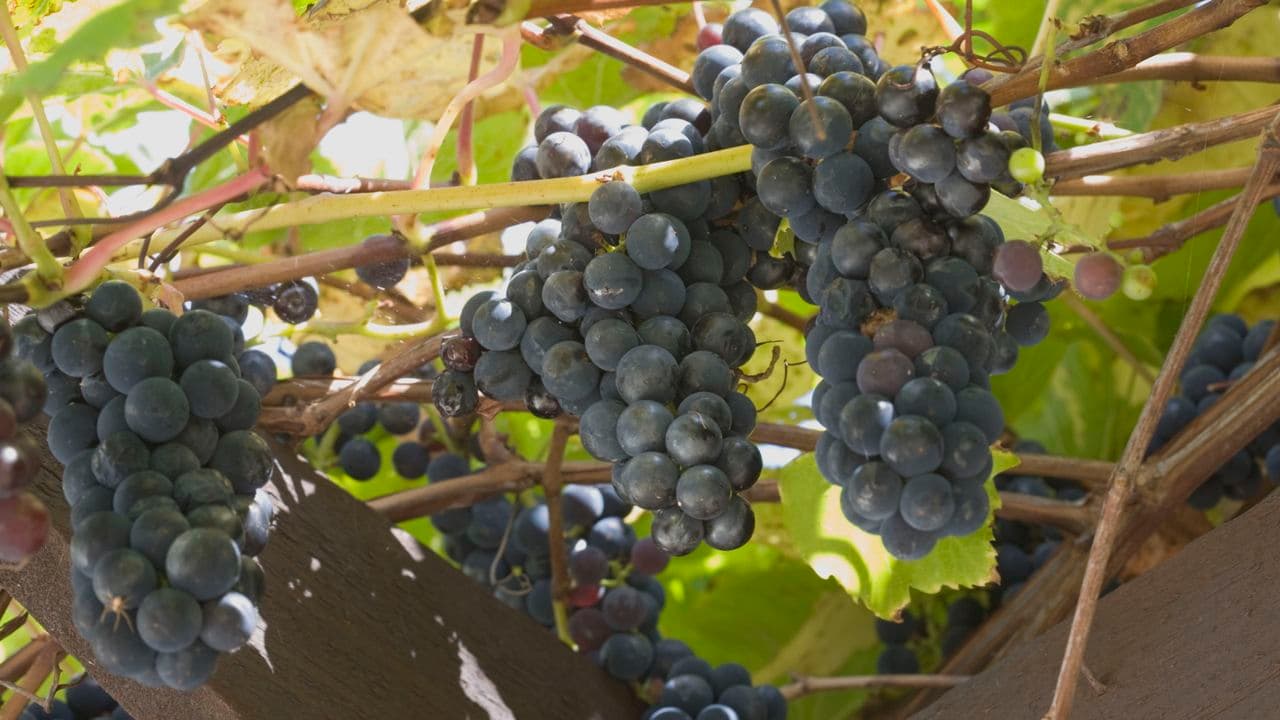
What To Do With a Grape Vine in June – 5 Tasks for the Finest, Sweetest Fruits
June is one of the most critical months in the grape-growing calendar. By this point, your vine has burst back to life after its winter dormancy, shoots are racing skyward, and the first tiny flower clusters are beginning to appear. What you do — and equally, what you choose not to do — during these pivotal weeks will have a direct and lasting impact on the quality and sweetness of your harvest come late summer or autumn. Whether you're growing a classic dessert variety like Muscat or a hardy outdoor cultivar like Boskoop Glory, these five essential June tasks will set your grape vine on course for its finest season yet.
1. Shoot Thinning: Give Every Bunch Room to Breathe
By early June, your grape vine will likely be putting out an enthusiastic flush of new growth. While this vigour is encouraging, too many shoots competing for the vine's energy is one of the most common reasons grapes end up small, sour, and slow to ripen.
Walk along your vine and identify the main fruiting shoots — these are the ones carrying flower clusters or tiny developing berries. Any non-fruiting shoots, doubles growing from the same spur, or weak spindly growth should be removed at the base. Aim to leave shoots spaced roughly every 20 to 30 centimetres along each main stem. This opens up the canopy, improves airflow, reduces the risk of fungal disease, and crucially, directs the vine's energy toward ripening fruit rather than producing unnecessary foliage.
Don't be afraid to be decisive here. A well-thinned vine will always outperform an overcrowded one when it comes to fruit quality.
2. Pinching Out Growing Tips
Once your shoots have reached roughly four to six leaves beyond the highest flower cluster, it's time to pinch out or snip off the growing tip. This simple technique, sometimes called "stopping," redirects the vine's resources away from vegetative growth and toward the developing flower clusters below.
Left unchecked, grape vines are remarkably ambitious climbers that will keep extending their shoots almost indefinitely throughout the season, all at the expense of fruit development. By stopping the tips in June, you're essentially telling the plant to focus its sugars and nutrients on what matters most: producing sweet, well-formed grapes.
You can use sharp secateurs or simply pinch with your fingers. Remove any side shoots (laterals) that appear after stopping, keeping just one or two leaves beyond each flower cluster on any lateral growth that develops.
3. Tying In and Training New Growth
June's rapid growth means your vine can quickly become an unruly tangle if you're not keeping pace with it. Regularly tying in new shoots to your support wires, trellis, or pergola is essential — not just for neatness, but for the practical benefits it delivers.
When shoots are trained horizontally or at a slight downward angle rather than allowed to shoot straight up, the flow of sap is slowed slightly, which actually encourages better fruit set and more even ripening across the bunch. Use soft garden twine or vine clips, and take care not to tie so tightly that you restrict the shoot as it thickens over the coming weeks.
Aim to train the canopy so that sunlight can reach as many leaves and developing bunches as possible. A shaded bunch will always ripen later and produce less sugar than one that enjoys regular, direct sun exposure throughout the day.
4. Feeding for Fruit: Apply a Potassium-Rich Fertiliser
Grape vines are not heavy feeders by nature, but a well-timed boost in June can make a meaningful difference to fruit quality. As flower clusters develop and the first tiny grapes begin to form, the vine's demand for potassium rises sharply. Potassium plays a vital role in sugar production, fruit sizing, and the development of complex flavours — in short, it's the mineral most directly linked to sweetness.
Apply a high-potassium liquid fertiliser — such as a tomato feed or a dedicated vine fertiliser — once a week from early June onwards, following the manufacturer's instructions on dilution. Avoid high-nitrogen feeds at this stage, as these encourage leafy growth at the expense of fruit.
If your vine is growing in a container, feeding is especially important, as nutrients in potting compost are exhausted more quickly than in open ground. For border-grown vines, a top dressing of well-rotted compost around the base will also help maintain soil health and moisture retention during warmer spells.
5. Monitoring for Pests and Disease — Especially Powdery Mildew
June's warm, increasingly humid conditions create ideal circumstances for one of the grape grower's most persistent foes: powdery mildew. This fungal disease appears as a white, dusty coating on leaves, shoots, and developing berries, and if left unchecked, it can severely affect both yield and fruit quality.
Check your vine regularly — ideally every few days — and act at the very first sign of infection. Good airflow from the shoot thinning you've already carried out will help significantly. If you do spot mildew, treat promptly with a suitable fungicide or try a spray of diluted sodium bicarbonate solution as a more natural option.
Also keep an eye out for vine weevil, aphid colonies on young shoot tips, and the early signs of botrytis (grey mould), especially in cooler, wetter seasons. Catching problems early in June is far easier — and far less damaging — than attempting to manage a full-blown outbreak in July or August.
A Little June Effort Goes a Long Way
The beauty of grape vine care in June is that none of these tasks requires specialist equipment or significant experience. A pair of sharp secateurs, some soft twine, a liquid tomato feed, and a keen eye are really all you need. The investment of time is modest, but the reward — a vine laden with plump, sun-kissed, genuinely sweet grapes at harvest — makes every careful snip and tie entirely worthwhile. Start your June routine now, and your vine will reward you generously before the season is out.