
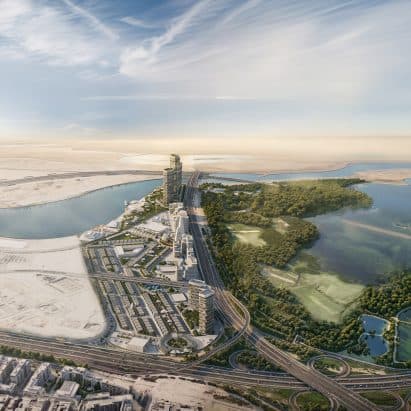
American University in Dubai Students Push the Boundaries of Urban Design
The next generation of architects and urban planners is making a powerful statement. Student projects from the American University in Dubai (AUD) have captured international attention, with standout work featured on Dezeen's prestigious School Shows platform. Among the most compelling entries is a thoughtfully conceived masterplan for a zoned neighbourhood that investigates how the built environment can directly influence human emotion. These projects reflect not only technical skill but a deep commitment to designing cities that serve people on a psychological and emotional level.
As cities across the Middle East continue to evolve at a rapid pace, the work emerging from AUD's architecture and urban design programmes offers a timely and forward-thinking perspective. From waterfront developments to mixed-use community hubs, these student proposals challenge conventional planning frameworks and imagine a more human-centered urban future.
What Is a Zoned Neighbourhood and Why Does It Matter?
At the heart of the AUD showcase is a masterplan built around the concept of zoned neighbourhoods — urban areas deliberately designed so that different zones serve distinct emotional and functional purposes. Unlike traditional zoning, which primarily separates land uses such as residential, commercial, and industrial, this student project takes a more nuanced approach by asking a deeper question: how does the physical design of a neighbourhood affect the way people feel as they move through it?
The project envisions spaces calibrated to encourage calm, creativity, social connection, or focused productivity, depending on the needs of the people who inhabit them. Green corridors, transitional spaces, adaptive building facades, and carefully considered sight lines all play a role in crafting environments that respond to human psychology rather than simply meeting functional requirements.
This approach aligns with a growing global conversation around biophilic design, emotional architecture, and the well-being implications of urban planning. Researchers and practitioners alike have increasingly recognised that the spaces we inhabit shape our moods, behaviours, and even our long-term mental health. The AUD student's masterplan translates this understanding into a concrete, site-specific proposal that feels both ambitious and achievable.
The Role of Dezeen School Shows in Spotlighting Emerging Talent
Dezeen School Shows is a globally recognised platform dedicated to highlighting outstanding student work from architecture and design programmes around the world. Being featured on Dezeen is a significant milestone for any emerging designer, as it places their work in front of an international audience of professionals, academics, and design enthusiasts.
For the American University in Dubai, this recognition signals the strength and ambition of its design curriculum. AUD has long been regarded as a leading institution in the region for architecture and interior design education, and the calibre of projects featured in this year's School Shows demonstrates that its graduates are ready to contribute meaningfully to the global conversation about the built environment.
The Dezeen feature also reflects a broader trend of Middle Eastern design schools gaining visibility on the world stage. As the UAE continues to invest in creative industries, cultural infrastructure, and sustainable urban development, institutions like AUD are producing graduates who are well-positioned to lead that transformation.
Key Themes Running Through the AUD Student Projects
While the zoned neighbourhood masterplan is a clear highlight, the broader collection of AUD student work shares several compelling thematic threads worth examining.
- Emotional resonance in architecture: Multiple projects grapple with the idea that buildings and public spaces should do more than function efficiently — they should inspire, comfort, or energise the people who use them. This theme runs through residential proposals, civic buildings, and urban design frameworks alike.
- Waterfront and coastal design: Given Dubai's relationship with its coastline, several projects engage thoughtfully with waterfront contexts, balancing public access, ecological sensitivity, and aesthetic ambition. Visualisations of these proposals show dramatic, layered landscapes that respond to both the natural and urban edges of the water.
- Sustainability and climate responsiveness: Designing for the intense heat and environmental conditions of the UAE is a practical necessity, but for these students it has also become a creative driver. Many proposals incorporate shading systems, passive cooling strategies, and green infrastructure in ways that feel integral rather than incidental.
- Mixed-use programming: Rigid single-use development is increasingly out of step with how people want to live and work. AUD students have embraced mixed-use thinking, designing neighbourhoods and buildings that blend housing, retail, culture, and workspace in fluid, adaptable arrangements.
Why Student Architecture Projects Deserve More Attention
It can be tempting to view student work as preparatory or preliminary — ideas that have not yet been tested by the constraints of the real world. But architecture school has long been a space where the most radical and consequential ideas first take shape. Without the pressure of client approvals, budget restrictions, or regulatory hurdles, students are free to ask the most important questions and pursue the most inventive answers.
The AUD projects on Dezeen School Shows exemplify this quality. They are grounded in research and rigorous design thinking, yet unafraid to propose bold spatial and programmatic ideas. The zoned neighbourhood project, in particular, offers a vision of urban planning that prioritises human experience above all else — a principle that is as practically useful as it is philosophically compelling.
Looking Ahead: A New Generation of Middle Eastern Designers
The students behind these projects are entering a professional landscape that is both challenging and full of opportunity. The UAE and the wider Gulf region are investing heavily in new cities, cultural institutions, and infrastructure that will define urban life for generations. The architects and urban designers graduating from institutions like the American University in Dubai will play a central role in shaping that future.
With work this thoughtful and this ambitious already on their portfolios, the next generation of Middle Eastern designers is well equipped to meet that challenge. The Dezeen School Shows feature is not just a moment of recognition — it is a preview of what is to come from one of the region's most dynamic creative communities.
For anyone interested in the evolving face of architecture and urban design in the Middle East, the American University in Dubai's latest student showcase is essential viewing. It is a reminder that some of the most exciting ideas in design are being developed not in established firms, but in studios, classrooms, and the minds of students who are just beginning to define what the built environment can be.