
A Supply-Demand Gap That Will Define the Next Decade of Air Cargo
The global air freight industry is heading into a structurally constrained decade. Demand for air cargo is projected to grow at between 3.5% and 5% per year over the next ten years, driven by the relentless expansion of e-commerce, the reshuffling of global supply chains, and rising expectations for faster delivery across industries. Yet the supply side tells a very different story. Air cargo capacity is forecast to grow by just 1% annually — a fraction of demand growth that will produce a widening gap between what shippers need and what the market can provide.
For logistics managers, freight forwarders, importers, and exporters, this imbalance is not a distant concern. It is a structural reality that will affect freight rates, booking lead times, service reliability, and strategic planning for years to come. Understanding the forces driving both sides of this equation is the first step toward navigating what promises to be a significantly tighter air freight market.
Why Air Freight Demand Continues to Climb
Air cargo has long occupied a premium position in global logistics — expensive, fast, and reserved for high-value or time-sensitive goods. But the composition of that demand has shifted considerably over recent years, and several powerful trends are set to sustain its upward trajectory well into the 2030s.
The E-Commerce Engine
Cross-border e-commerce remains one of the single largest drivers of air freight demand. Consumers in North America, Europe, and Asia-Pacific have grown accustomed to rapid delivery windows, and the volume of small parcels moving by air has surged accordingly. Marketplaces connecting manufacturers in Asia directly with consumers in Western markets have created entirely new air freight corridors, placing enormous pressure on existing capacity at major hub airports.
Pharmaceutical and High-Value Supply Chains
The pharmaceutical sector has become an increasingly significant contributor to air cargo volumes. Temperature-sensitive medicines, biological samples, and time-critical medical equipment all require the speed and controlled conditions that only air transport can reliably provide. As global healthcare spending rises and supply chains for specialty drugs become more complex, this segment is expected to continue growing at an above-average rate.
Supply Chain Diversification
Geopolitical uncertainty and the hard lessons of the COVID-19 pandemic have pushed many multinational companies to diversify their supplier bases, often moving manufacturing to regions further from end markets. This geographic dispersion of production naturally increases the need for fast, long-haul freight movement, and air cargo is frequently the only viable option for managing inventory fluctuations and production disruptions without costly delays.
Why Capacity Growth Is Falling So Far Behind
If demand growth between 3.5% and 5% per year sounds manageable, a capacity growth rate of just 1% per year makes the problem starkly clear. The constraints on air freight supply are deep-rooted and unlikely to resolve quickly.
The Freighter Fleet Challenge
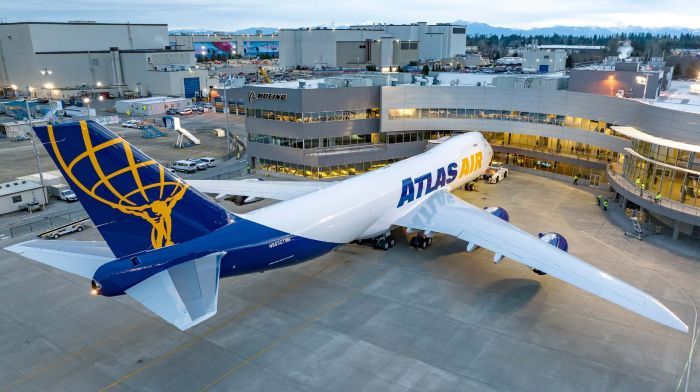
Dedicated freighter aircraft form the backbone of global air cargo capacity. These aircraft take years to design, order, manufacture, and certify, and the current order books at major aircraft manufacturers are already stretched. Airlines looking to expand their freighter fleets face long delivery queues, and the retirement of older wide-body passenger aircraft — which previously contributed significant belly-hold cargo space — has further tightened available lift.
The Belly Cargo Dependency
A significant share of global air freight has historically moved in the belly holds of passenger aircraft. When international passenger travel collapsed during the pandemic, air cargo rates spiked to record levels precisely because this belly capacity vanished overnight. While passenger travel has largely recovered, the underlying vulnerability of a cargo system that depends heavily on the economics of passenger aviation has not been resolved. Any future disruption to international travel — whether driven by health crises, geopolitical conflict, or economic downturns — could rapidly remove a substantial portion of available freight capacity once again.
Airport Infrastructure Bottlenecks
Physical infrastructure at the world's major cargo hubs is another constraint that is difficult and expensive to address quickly. Runway capacity, cargo terminal throughput, ground handling equipment, and customs processing capabilities all impose hard limits on how much freight can move through a given airport in a given period. Expanding these facilities requires significant capital investment, regulatory approval, and years of construction — none of which moves at the pace of freight demand.
What This Means for Shippers and Freight Buyers
The practical implications of a sustained capacity shortfall are considerable. Freight rates on key trade lanes are likely to remain elevated and volatile, with periods of acute tightening when demand spikes — around peak retail seasons or during supply chain disruptions — pushing spot rates to uncomfortable levels. Booking lead times will lengthen, and shippers who have traditionally relied on last-minute air freight as a flexible backstop will find that option increasingly expensive and unreliable.
- Rate volatility: Expect sustained upward pressure on air freight rates, with sharper spikes during peak periods as capacity cushions disappear.
- Advance booking: Long-term capacity agreements and forward contracts will become more valuable as spot market availability tightens.
- Modal diversification: Shippers will need to invest more seriously in understanding which shipments genuinely require air freight and where faster ocean or express rail services can serve as cost-effective alternatives.
- Supplier relationships: Proximity to airline cargo networks and strong forwarder relationships will become genuine competitive advantages.
Looking Ahead: Adapting to a Constrained Market
The projected mismatch between air freight demand growth and capacity expansion is not a temporary disruption — it is a structural feature of the market for the foreseeable future. For businesses that depend on air cargo, the message is clear: passive reliance on available capacity will become an increasingly costly strategy. Proactive supply chain design, diversified logistics partnerships, and a more disciplined approach to determining when air freight is genuinely necessary will define which organizations manage this environment effectively and which find themselves repeatedly paying premium prices for constrained space.
The air freight industry has shown remarkable resilience and adaptability across decades of disruption. But the capacity-demand gap projected for the coming decade represents one of its most significant structural challenges yet — and the businesses best prepared for it will be those that start planning now.