
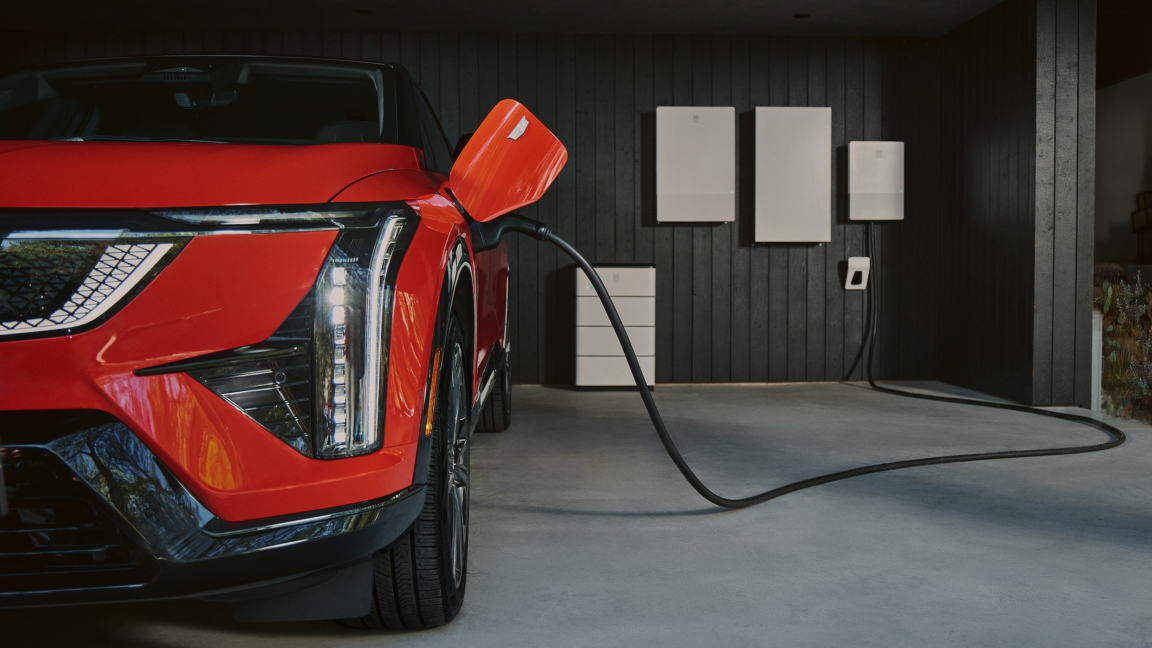
GM Energy Takes a Bold Step Toward a Smarter Electric Grid
General Motors has long positioned itself as a serious contender in the electric vehicle space, and its latest announcements from a recent event in San Francisco make it clear the automaker isn't slowing down. GM Energy, the company's energy products division, has officially announced support for vehicle-to-grid (V2G) charging technology, expanding beyond its existing vehicle-to-home capabilities. Alongside this milestone, GM revealed a new partnership with Peak Energy to develop sodium-ion batteries designed specifically for grid-scale energy storage. Together, these moves signal a significant shift in how GM envisions the role of electric vehicles — not just as transportation, but as active participants in the nation's energy ecosystem.
What Is Vehicle-to-Grid (V2G) Technology?
To understand the significance of GM's announcement, it helps to understand what vehicle-to-grid technology actually does. Unlike standard EV charging, which only draws power from the grid into the vehicle, V2G is a bidirectional process. This means an electric vehicle can send stored energy back to the electrical grid when demand is high or supply is low. Think of your EV battery as a giant power bank — one that can charge up overnight when electricity is cheap and plentiful, then discharge energy back into the grid during peak hours to help balance load and reduce strain.
This kind of two-way energy flow has enormous potential. It can help utilities avoid blackouts during high-demand periods, reduce reliance on expensive and polluting peaker power plants, and even generate revenue for EV owners who participate in utility programs. The concept has been discussed in energy circles for years, but practical, large-scale implementation has been slow to materialize. GM's announcement represents a meaningful step toward making V2G a mainstream reality.
GM Energy's Grid Integration Partners: PG&E and DTE Energy
GM isn't attempting to do this alone. The company has announced launch partnerships with two major utilities: Pacific Gas and Electric (PG&E) in California and DTE Energy in Michigan. These collaborations are essential, because integrating vehicle batteries into the grid isn't as simple as flipping a switch. It requires coordination between automakers, hardware manufacturers, software platforms, and the utilities themselves.
PG&E serves one of the largest and most complex energy markets in the United States, where renewable energy generation — primarily solar and wind — creates significant fluctuations in supply. California has long been a proving ground for grid innovation, making it a natural home for an early V2G rollout. DTE Energy, meanwhile, operates primarily in Michigan, the heart of American automotive manufacturing and a state where GM has deep roots. By working with both utilities, GM is building a geographically and operationally diverse foundation for its V2G ambitions.
These partnerships also underscore an important reality: successful V2G deployment requires trust and collaboration between automakers and energy providers. Utilities must be confident that bidirectional charging won't degrade the grid or introduce unpredictable fluctuations, while automakers need assurance that V2G programs won't prematurely degrade EV battery life. Getting those relationships right is just as important as the technology itself.
Why the Grid Needs Help Now More Than Ever
The timing of GM's announcement is no coincidence. The United States electric grid is under growing pressure from multiple directions. The rapid expansion of artificial intelligence and the data centers that power it has dramatically increased electricity demand. Analysts project that AI-related energy consumption will continue to climb steeply over the next decade, placing new burdens on infrastructure that was never designed to handle such loads.
At the same time, the ongoing transition to renewable energy sources introduces new variability into the grid. Solar panels generate power only during daylight hours, and wind turbines depend on weather conditions. Managing this intermittency requires new tools, and distributed energy storage — including the batteries sitting in millions of driveways across America — could be one of the most cost-effective solutions available.
GM's V2G initiative positions the company as a partner in solving this challenge, rather than merely contributing to electricity demand through its growing EV fleet. That reframing could be valuable both for public perception and for building productive relationships with regulators and utilities.
Sodium-Ion Batteries: A New Chemistry for Grid Storage
Beyond V2G, GM Energy also made waves with its announcement of a partnership with Peak Energy to develop sodium-ion batteries for standalone grid energy storage applications. This is a chemistry worth paying attention to.
Sodium-ion batteries work similarly to the lithium-ion batteries found in most EVs today, but they replace lithium with sodium — an element that is far more abundant and less expensive to source. While sodium-ion cells currently lag behind lithium-ion in energy density, making them less suitable for vehicles where weight and space are critical, they have real advantages for stationary grid storage where size is less of a constraint.
Key Benefits of Sodium-Ion for Grid Storage
Lower material costs: Sodium is one of the most abundant elements on Earth, dramatically reducing raw material expenses compared to lithium, cobalt, or nickel.
Improved safety profile: Sodium-ion batteries are generally more thermally stable than lithium-ion alternatives, reducing fire risk in large-scale storage installations.
Supply chain resilience: Reducing dependence on lithium and other critical minerals sourced from geopolitically sensitive regions strengthens domestic energy security.
Long cycle life: Sodium-ion chemistry shows promise for the kind of deep, repeated cycling that grid storage applications demand day after day.
By partnering with Peak Energy on this development, GM is diversifying the technological toolkit available to its energy division, while also hedging against future volatility in critical mineral markets.
The Bigger Picture: GM's EV and Energy Strategy in 2025
GM's dual announcements reflect a broader strategic vision that goes beyond simply selling electric vehicles. The company is positioning itself as an energy company — one that can generate value from the enormous battery capacity represented by its growing EV fleet, while also providing independent grid storage solutions through products like sodium-ion battery systems.
This matters because EV adoption alone is not enough to justify the massive investments automakers have made in electrification. Revenue streams from energy services, grid participation programs, and utility partnerships could become a meaningful part of GM's business model going forward. For consumers, these programs could translate into lower electricity bills, credits from utilities, and the satisfaction of knowing their vehicle is doing more than just getting them from point A to point B.
While challenges remain — including regulatory hurdles, the need for compatible home charging hardware, and questions about long-term battery health under V2G cycling — GM's direction is clear. The company is betting that the electric vehicle of tomorrow isn't just a car. It's a node in an intelligent, responsive energy network. And with V2G support, sodium-ion storage partnerships, and major utility collaborations now in place, GM Energy is laying the groundwork to make that vision real.