
Picture It: The Golden Girls Housing Concept Is Now a Real-Life Trend
When The Golden Girls premiered in 1985, the image of four older women sharing a home in Miami felt like a quirky TV premise. Today, that same concept is one of the most talked-about practical solutions to America's growing housing affordability crisis. Senior home-sharing—sometimes called the "Golden Girls housing hack"—is quietly booming across the country, offering financial relief and companionship to millions of older Americans. But as the trend gains momentum, a surprising obstacle has emerged: lawmakers themselves.
Some state legislators are actively working to expand the legal framework that makes home-sharing easier and more accessible. Others are pumping the brakes, worried about unintended consequences for neighborhoods and communities. The result is a patchwork of laws, debates, and policy battles that are shaping the future of affordable housing for seniors—and for everyone else who needs a roof over their head without breaking the bank.
What Is the Golden Girls Housing Hack?
At its core, the Golden Girls housing model is simple: a homeowner—often a retiree with extra space—rents out one or more rooms in their home to long-term tenants. This arrangement, technically classified as single-room occupancy housing (SRO), benefits everyone involved. The homeowner gains a steady stream of rental income that can help cover rising costs like property taxes, homeowner's insurance, and everyday expenses. The tenant, meanwhile, secures an affordable place to live in a real neighborhood rather than a traditional apartment complex.
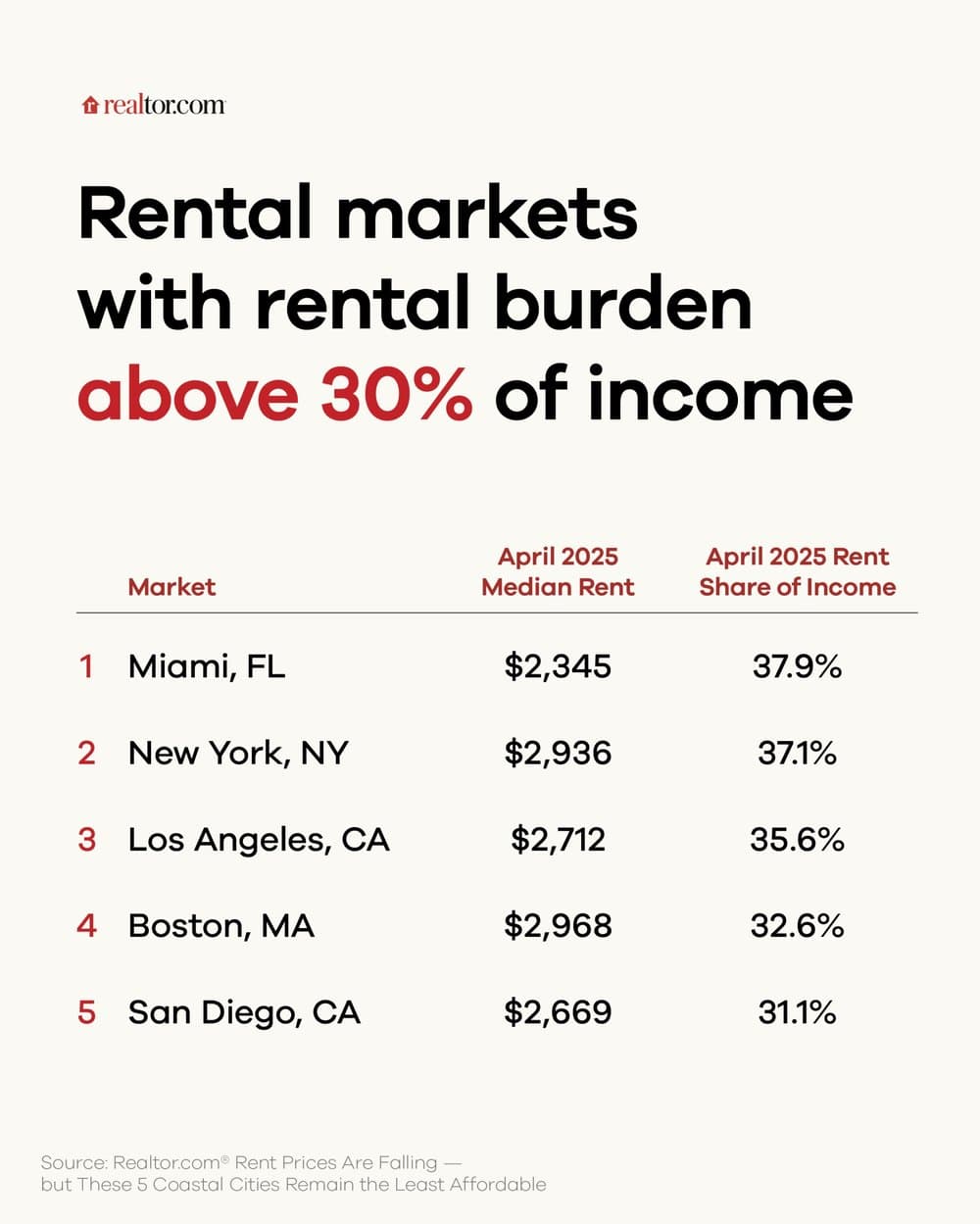
The financial math is compelling. With rents surging in cities and suburbs alike, finding an affordable standalone unit has become increasingly difficult for individuals—especially those living on fixed incomes, like Social Security. A private room in a shared home can offer a significantly lower monthly cost while still providing privacy and a sense of community.
Beyond the dollars and cents, home-sharing also addresses something less tangible but equally important: loneliness. Social isolation among older adults is a recognized public health concern, and sharing a home with others can meaningfully improve mental and emotional well-being.
America's Housing Crisis Is Driving the Boom
There is no shortage of reasons why the home-sharing trend is accelerating. The United States is facing a well-documented housing affordability crisis, with rising costs squeezing renters and homeowners alike. Property taxes have climbed sharply in many markets, and homeowner's insurance premiums have spiked due to climate-related risks in states like Florida, California, and Texas.
At the same time, the U.S. population is aging rapidly. The Baby Boomer generation is well into retirement, and many older Americans find themselves in large homes—often mortgage-free—but cash-poor on a monthly basis. Renting out a spare room is a logical and often life-changing financial move. For solo renters, especially those who are recently divorced, widowed, or simply earning modest wages, the option to rent a single room in a private home rather than compete for scarce and expensive apartments is enormously attractive.
Several states recognized this dynamic early and have already put laws in place to facilitate home-sharing arrangements. Iowa, Colorado, Oregon, and Washington are among those that allow unrelated adults to live together by renting individual rooms under a clear legal framework. These laws help protect both the homeowner and the tenant while cutting through outdated zoning restrictions that were never designed with modern housing realities in mind.
Connecticut's Golden Girls Bill: A Story of Progress and Pushback
Connecticut seemed poised to join that growing list of forward-thinking states. Earlier this year, legislation nicknamed the "Golden Girls bill" sailed through the state Senate with relative ease. The bill was designed to allow homeowners to legally rent individual rooms in their homes to long-term tenants—essentially codifying the home-sharing model and offering clarity to residents who were already doing this informally or who wanted to explore the option.
The Senate passage was seen as a significant step forward for housing advocates and seniors' rights groups who had long pushed for this kind of reform. The bill's nickname alone helped it capture public attention and sympathy. Who could argue against the Golden Girls?
As it turned out, quite a few people could—and did. When the bill moved to the state House of Representatives, it ran into a wall of opposition. Concerns were raised about neighborhood character, parking, noise, and the potential transformation of single-family residential areas into something that critics felt resembled boarding houses or quasi-commercial properties. Some lawmakers worried about enforcement and oversight. Others questioned whether local municipalities should have more say in how such arrangements are regulated within their borders.
The Connecticut debate is not unique. Across the country, efforts to modernize housing codes to accommodate home-sharing have faced similar friction. The tension reflects a broader conflict between two competing visions of neighborhood life: one that prioritizes flexibility, affordability, and individual property rights; and another that emphasizes stability, community character, and local control.
The Case for Expanding Home-Sharing Laws
Supporters of home-sharing legislation make a compelling case on multiple fronts. First and foremost, they argue that existing zoning laws in many municipalities are outdated and were designed for a different era—one in which housing was more affordable, families were larger, and seniors either lived with adult children or moved into assisted living facilities. The reality of 21st-century life looks very different.
Proponents also point to the economic efficiency of the model. Allowing homeowners to rent out spare rooms increases the effective housing supply without requiring new construction, lengthy permitting processes, or significant public investment. It utilizes existing space that is already sitting unused in millions of homes across America.
From a social equity standpoint, home-sharing can open doors for renters who might otherwise be priced out of desirable neighborhoods. Rather than being pushed to the outskirts of metro areas or into lower-quality housing, tenants in home-sharing arrangements can live in established, well-served communities.
The Concerns Lawmakers Are Weighing
Critics of expanded home-sharing laws are not simply being obstructionist. Many of the concerns raised in state legislatures reflect genuine questions about implementation and impact. How do you ensure that homeowners and tenants are protected in disputes? How do local governments monitor and enforce occupancy standards? Could widespread adoption of SRO arrangements change the character of neighborhoods in ways residents did not anticipate or approve?
There are also concerns about the potential for abuse. Without adequate oversight, home-sharing arrangements could be exploited by landlords seeking to skirt tenant protection laws or pack too many people into a single property. Ensuring that the Golden Girls model remains what it is intended to be—a dignified, affordable, mutually beneficial living arrangement—requires thoughtful policy design, not just good intentions.
What the Future of Senior Home-Sharing Looks Like
Despite the legislative turbulence, the trajectory of the home-sharing movement is clear. Demand for affordable, flexible housing options is only going to grow as the senior population expands and housing costs continue to climb. States that have already embraced SRO-friendly laws are seeing real benefits, and the evidence from those markets will likely continue to build the case for broader adoption nationwide.
For homeowners sitting on unused rooms and for renters struggling to find affordable options, the Golden Girls housing model offers something rare in today's market: a practical, immediate solution that doesn't require waiting for new construction or government subsidies. It just requires a willingness to share space—and laws that make doing so straightforward and safe.
Whether Connecticut and other holdout states ultimately pass their own versions of the Golden Girls bill remains to be seen. But one thing is certain: the conversation about home-sharing, SROs, and the future of senior housing is far from over. If anything, it's just getting started.