
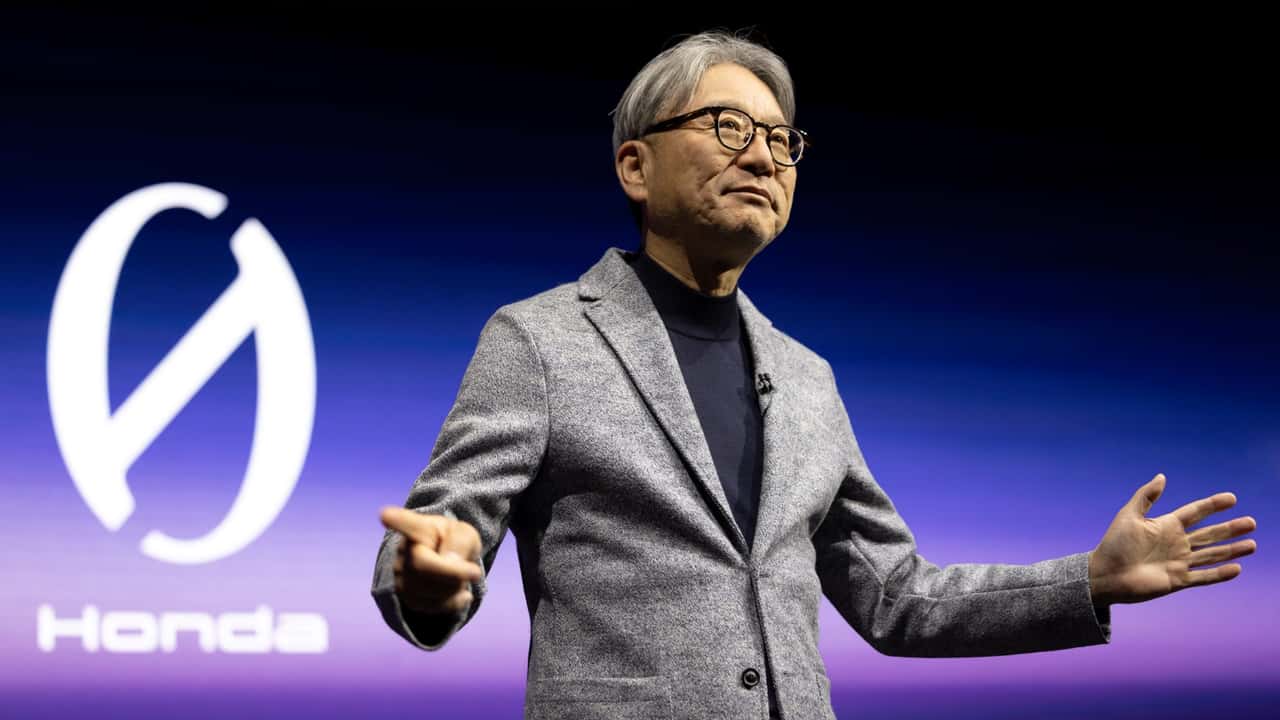
Honda's CEO Survives Internal Revolt After the Automaker's Worst Financial Year in Nearly 70 Years
It has been a turbulent stretch for one of the world's most iconic automakers. Honda Motor Co. recently posted its first annual financial loss in nearly 70 years, a sobering milestone that sent shockwaves through the company's leadership ranks and triggered what reports describe as a serious internal revolt against CEO Toshihiro Mibe. The situation offers a rare glimpse into the high-stakes political drama that unfolds behind the polished exteriors of global automotive giants — and raises urgent questions about where Honda goes from here.
Honda's Historic Financial Loss: What Happened?
For a company that has spent decades building a reputation for engineering excellence, reliability, and profitability, posting an annual net loss is more than just a bad quarter — it is a symbolic rupture. Honda's loss, the first of its kind since the mid-1950s, was driven by a combination of factors that have been battering legacy automakers across the industry. Rising costs associated with electric vehicle development, intensifying competition from Chinese EV manufacturers, a challenging global macroeconomic environment, and currency headwinds all contributed to the financial damage.
The scale of the loss was significant enough to shake investor confidence and, more critically, it emboldened a group of former senior executives who had already harbored doubts about the strategic direction Mibe had charted for the company. According to reports, this group did not stay silent.
The Revolt: Former Executives Push Back Against CEO Mibe
The internal pressure campaign against Toshihiro Mibe, who has served as Honda's CEO since 2021, reportedly involved former top-level executives who felt the company's current leadership had mismanaged the transition to electric vehicles and failed to respond quickly enough to competitive threats. In the world of Japanese corporate culture, where loyalty and deference to institutional hierarchy are deeply valued, this kind of open dissent from former leaders is extraordinarily unusual — and its emergence speaks to just how alarmed some insiders had become.
Reports indicate that these former executives communicated their dissatisfaction through back-channel pressure rather than public statements, working within the informal networks of influence that characterize Japan's tightly interwoven business world. The goal, according to those familiar with the situation, was to force a leadership change or at minimum a dramatic strategic pivot.
Mibe, however, managed to weather the storm. Honda's current board backed the sitting CEO, and the revolt ultimately did not achieve its apparent objective of removing him from his post. But the episode has left a mark on the organization and amplified the scrutiny on every strategic decision Mibe makes going forward.
Why the EV Transition Has Been So Painful for Honda
To understand the discontent simmering within Honda's leadership circles, it helps to examine the broader context of the electric vehicle revolution and how Honda has — or hasn't — navigated it. While rivals like Toyota leaned aggressively into hybrid technology and companies like General Motors and Volkswagen poured tens of billions into EV platforms, Honda has struggled to establish a clear, commanding position in the market.
Its partnership with General Motors on EV development produced limited commercial results, and the company's own Honda e electric vehicle, launched with considerable fanfare, was discontinued after sluggish sales. Meanwhile, Chinese automakers like BYD have been undercutting legacy brands on price while rapidly improving quality — a combination that is proving devastating for market share across Asia and beyond.
- Honda's EV lineup has lagged behind competitors in both volume and consumer perception.
- The company's reliance on traditional internal combustion engine profits has made the transition harder to fund at speed.
- Its joint ventures and partnerships have so far not delivered the scale advantages originally hoped for.
- Rising R&D costs for next-generation battery technology have weighed heavily on margins.
These structural challenges form the backdrop against which the internal revolt must be understood. The former executives pushing back against Mibe were not simply reacting to one bad year — they were expressing a deeper anxiety about whether Honda's long-term competitive position is eroding in ways that could prove very difficult to reverse.
What This Means for Honda's Strategic Future
Despite surviving the revolt, Mibe faces an immense challenge. Honda has announced plans to dramatically accelerate its EV push, including significant investment in battery production capacity and a reorganization of its global manufacturing footprint. The automaker has also been in discussions about deeper collaboration with Nissan, though those merger talks ultimately collapsed, further complicating Honda's strategic options.
Mibe's immediate priorities are likely to include restoring profitability in Honda's core markets, accelerating the launch of competitive EV models, and rebuilding internal confidence after a period of visible institutional stress. Achieving all three simultaneously — while under heightened scrutiny from both inside and outside the company — will require a level of execution that leaves very little margin for error.
A Critical Inflection Point for a Japanese Auto Icon
Honda's story in 2024 and into 2025 is in many ways a microcosm of the pressures facing the entire legacy automotive industry. The combination of electric vehicle disruption, geopolitical trade tensions, shifting consumer preferences, and relentless competition from new market entrants has created a perfect storm for automakers that built their success on the internal combustion engine.
Whether Toshihiro Mibe can lead Honda through this inflection point, or whether the former executives who pushed back against him will ultimately be proven right, remains one of the more compelling stories in global business. What is clear is that the next few years will define Honda's identity for a generation — and the pressure on its leadership has never been more intense.
For investors, industry watchers, and Honda enthusiasts alike, the situation is a stark reminder that even the most storied brands in automotive history are not immune to the seismic forces currently reshaping the industry. Honda's ability to adapt, innovate, and lead — rather than simply react — will determine whether this difficult chapter becomes a turning point or the beginning of a longer decline.