
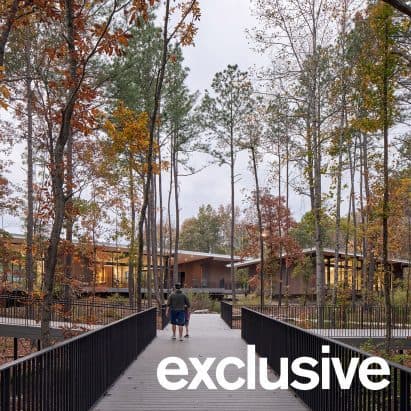
A New Landmark in the Treetops: Beech Bluff County Park's Elevated Canopy Walk
North Carolina's public parks just got a dramatic upgrade. Design firms In Situ Studio and Surface 678 have collaborated to introduce an elevated canopy walk to Beech Bluff County Park, creating an immersive outdoor experience that invites visitors to explore the forest from a completely new perspective. The project represents a growing movement in landscape architecture that prioritizes experiential design, ecological sensitivity, and inclusive public access — all while celebrating the natural beauty that makes the American South such a compelling destination for outdoor enthusiasts.
The canopy walk is more than just a trail. It is a carefully considered piece of architecture that suspends visitors above the forest floor, threading them through the upper canopy of mature trees and offering sightlines that would otherwise be entirely inaccessible. As urban parks face increasing pressure to deliver meaningful, memorable experiences that draw communities outdoors, projects like this one at Beech Bluff stand out as bold, imaginative responses to that challenge.
Who Are In Situ Studio and Surface 678?
In Situ Studio is a Raleigh-based architecture and design firm known for projects that engage deeply with their surrounding environments. The studio has built a reputation for thoughtful, site-responsive work that balances aesthetic ambition with functional clarity. Their portfolio spans civic, residential, and landscape projects, consistently demonstrating an ability to create spaces that feel both purposeful and poetic.
Surface 678 is a landscape architecture practice equally committed to design excellence in the public realm. The firm specializes in projects that transform underutilized or underappreciated outdoor spaces into vibrant community assets. Together, the two studios bring a complementary set of skills to the Beech Bluff project — architectural precision paired with a nuanced understanding of landscape, ecology, and human movement through natural spaces.
Their collaboration on the canopy walk signals the kind of interdisciplinary approach that increasingly defines the best work in contemporary landscape and civic design. By merging architectural thinking with landscape sensibility, the team has produced something that transcends either discipline alone.
What Makes a Canopy Walk Special?
Canopy walks — also known as elevated walkways or treetop trails — have become one of the most sought-after features in parks and nature reserves around the world. Their appeal is easy to understand. By lifting visitors off the ground and into the forest canopy, these structures offer a fundamentally different relationship with nature. What is typically experienced as a backdrop becomes the immediate environment, and the scale of the forest — so often lost when walking at ground level — becomes fully, viscerally apparent.
From an ecological standpoint, canopy walks also have meaningful advantages. Because they require minimal ground disturbance, they allow sensitive understory vegetation and root systems to remain largely undisturbed. Visitors can experience the ecosystem up close without the erosion and compaction that heavy foot traffic on traditional trails can cause over time. This makes them not only visually spectacular but genuinely sustainable infrastructure for nature tourism.
The canopy walk at Beech Bluff County Park draws on all of these qualities. Positioned to take advantage of the park's existing tree cover and topography, it creates an experience that feels seamlessly integrated into the landscape rather than imposed upon it.
Design Details: Elevation, Materials, and Experience
The design of the Beech Bluff canopy walk reflects the studios' commitment to materials and forms that feel appropriate to the wooded North Carolina setting. Rather than opting for industrial or overtly contemporary aesthetics that might jar with the natural surroundings, the team has pursued a design language that is refined but warm — structural where it needs to be, open and airy where experience demands it.
The walkway rises to offer genuine canopy-level views, situating visitors among the branches of the park's mature tree population. Railings and structural elements are detailed to minimize visual intrusion, preserving clear sightlines across the forest and maintaining the sense of being immersed in the canopy rather than merely adjacent to it. The path itself is designed to encourage slow movement and contemplation, with pacing and alignment that draw the eye toward particularly striking views or moments of botanical interest.
Accessibility has also been a key consideration. The design aims to make the elevated experience available to as wide a range of visitors as possible, ensuring that the park's most dramatic new feature is not reserved only for the most physically able. This commitment to inclusive design reflects the broader mission of public parks: to provide spaces where all members of the community can connect with nature on equal terms.
Canopy Walks and the Future of Park Design
The Beech Bluff canopy walk arrives at a moment when the role of the public park is being actively reimagined across the United States. As communities grapple with questions of mental health, environmental connection, equitable access to green space, and the need for civic gathering places that feel genuinely inspiring, parks are being asked to do more than ever before. Projects like this one demonstrate that thoughtful design investment can transform a local park into a regional destination — drawing visitors, supporting ecological health, and giving communities something to feel genuinely proud of.
The collaboration between In Situ Studio and Surface 678 also underscores the value of bringing multiple design perspectives to complex landscape projects. The canopy walk succeeds precisely because it has been conceived both as architecture and as landscape — a built intervention that honors and amplifies the natural systems around it rather than competing with them.
Visiting Beech Bluff County Park
Beech Bluff County Park is located in North Carolina and is accessible to the public. The addition of the canopy walk gives visitors a compelling new reason to explore the park, whether they are longtime locals or arriving from further afield specifically to experience the elevated walkway. The park's woodland setting, combined with the new infrastructure provided by the canopy walk, makes it an ideal destination for families, nature lovers, architecture enthusiasts, and anyone seeking a meaningful outdoor experience in the American Southeast.
As more parks invest in design-forward infrastructure that celebrates and protects their natural assets, Beech Bluff stands as an inspiring example of what becomes possible when talented designers, committed public agencies, and a community's shared love of the outdoors come together around a shared vision. The canopy walk is not just an addition to a park — it is an invitation to see the forest in an entirely new way.