
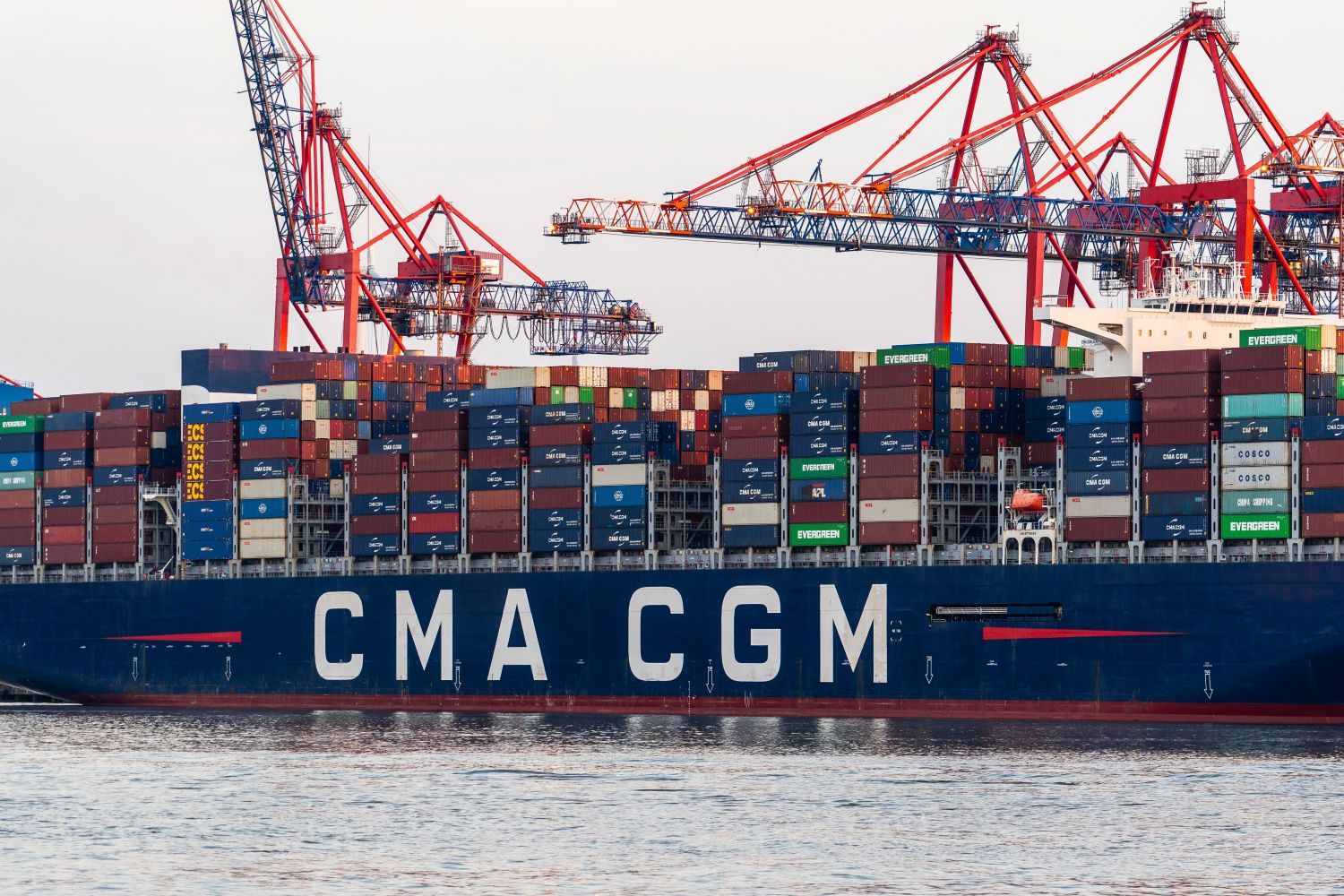
India-USWC Freight Rates Surge as Carriers Chase Trans-Pacific Profits
Shippers and freight forwarders moving cargo from India to the US West Coast (USWC) have been caught off guard by a sharp and sudden spike in ocean freight rates. While a rate jump of this kind might ordinarily signal a burst of new demand, industry insiders are pointing to a very different culprit: a deliberate redeployment of vessel capacity by major ocean carriers away from the India-USWC trade lane and toward the far more lucrative eastbound trans-Pacific corridor out of China.
For importers, exporters, and logistics managers who rely on the India-US shipping route, understanding the mechanics behind this rate surge is critical — both for managing current shipments and for planning procurement and supply chain strategy in the months ahead.
What Is Driving the India-USWC Rate Spike?
The rate increase on the India to US West Coast trade lane has been directly tied to a contraction in available vessel capacity rather than any meaningful upturn in cargo volumes. Freight forwarders operating in the space have confirmed that liners are quietly withdrawing tonnage from India-USWC services and redeploying those vessels onto the eastbound trans-Pacific trade, where rates and cargo volumes from Chinese exporters have been generating considerably stronger returns.
When available space on a trade lane shrinks while demand holds steady or even dips slightly, basic supply-and-demand dynamics push rates upward. That is precisely the situation playing out on India-USWC right now. Shippers who have not locked in long-term rate agreements are finding that spot market prices have climbed steeply, and booking lead times have stretched as a result.
This dynamic is not entirely new to the shipping industry. Carriers routinely assess yield across their global networks and shift capacity toward the routes generating the highest return per TEU. The trans-Pacific trade — particularly the eastbound lane from Chinese ports to North America — has long been one of the highest-revenue corridors in global container shipping. When that lane heats up, ripple effects are felt across secondary trades that share the same vessel pools and rotations.
The Trans-Pacific Factor: Why China's Export Surge Matters for Indian Shippers
The eastbound trans-Pacific trade has been running at elevated intensity, with Chinese exporters pushing volumes ahead of potential tariff changes and US importers front-loading inventory to hedge against supply chain disruptions. This surge in demand for space on China-to-US services has created a significant yield gap between the trans-Pacific and other Asia-origin trade lanes, including those originating from the Indian subcontinent.
For ocean carriers managing fleets of container vessels, the financial logic of shifting capacity is straightforward. A vessel earning premium freight rates on the trans-Pacific corridor generates meaningfully more revenue per voyage than one deployed on a comparatively softer India-USWC service. As carriers optimize their networks in real time, India-bound shippers lose access to the space they have come to rely on, and the vessels available for their cargo become fewer and harder to book.
Freight forwarders have been explicit in their messaging to clients: this is not a demand story. Indian exporters have not suddenly flooded the market with new cargo. Rather, the supply side of the equation has contracted, and that contraction is entirely a function of carrier network decisions driven by external trade dynamics centered on China.
Implications for Shippers on the India-USWC Lane
The rate spike carries a number of immediate and medium-term implications for businesses that depend on the India to US West Coast shipping route. Among the most pressing concerns are the following:
- Higher landed costs: Elevated ocean freight rates directly increase the cost of goods for US importers sourcing from India, potentially squeezing margins on products ranging from textiles and garments to pharmaceuticals and engineering goods.
- Reduced booking reliability: With fewer vessels operating on the lane, the ability to secure confirmed space on desired sailing dates has become more difficult, adding uncertainty to supply chain planning.
- Longer transit times: Capacity redeployment can also affect service frequency and sailing schedules, which may result in longer effective transit times even when direct services remain available.
- Pressure on long-term contract negotiations: Shippers approaching annual rate negotiations may find carriers less willing to offer competitive long-term rates given the attractive returns available on the trans-Pacific.
How Should Shippers Respond?
Given the nature of this disruption — driven by carrier strategy rather than organic demand fluctuations — shippers on the India-USWC trade lane would be wise to take a proactive approach to capacity management. Working closely with experienced freight forwarders who have strong carrier relationships can make a meaningful difference in securing space at reasonable rates even during periods of tightened supply.
Shippers with the flexibility to consider alternative routing options, such as transshipment via Gulf or European hubs, may also find relief during periods when direct India-USWC capacity is constrained. While alternative routings often add transit time, they can provide a viable fallback when primary services are oversubscribed or priced prohibitively high.
Longer-term, this episode serves as a timely reminder of the value of supply chain diversification and the risks of over-reliance on spot market capacity. Businesses that invest in contracted space and cultivate relationships with multiple carriers tend to be better insulated when carrier network realignments create sudden rate volatility on specific trade lanes.
The Broader Context: A Shipping Market Still Shaped by Volatility
The India-USWC rate spike is a microcosm of a broader global shipping environment that remains highly sensitive to trade policy shifts, demand swings, and carrier yield optimization. As the trans-Pacific trade continues to absorb disproportionate attention from liner operators, secondary trade lanes — including those serving South Asian exporters — will remain vulnerable to the knock-on effects of capacity withdrawal.
For logistics professionals and supply chain managers, staying informed about carrier deployment decisions and maintaining open dialogue with freight forwarders is no longer a best practice — it is a necessity. In a market where rates can move sharply in a matter of weeks based on decisions made in carrier network planning rooms, agility and market intelligence are among the most valuable tools available to any shipper operating in today's ocean freight landscape.