
Why Layering Houseplants Is the Secret to a Stunning Indoor Jungle
Walk into any beautifully designed living room that stops you in your tracks, and chances are there's an abundance of greenery involved. But it's rarely just about having a lot of plants — it's about how those plants are arranged. Interior designers have long known that the difference between a room that feels casually green and one that feels like a thriving, lush indoor jungle comes down to a single technique: layering.
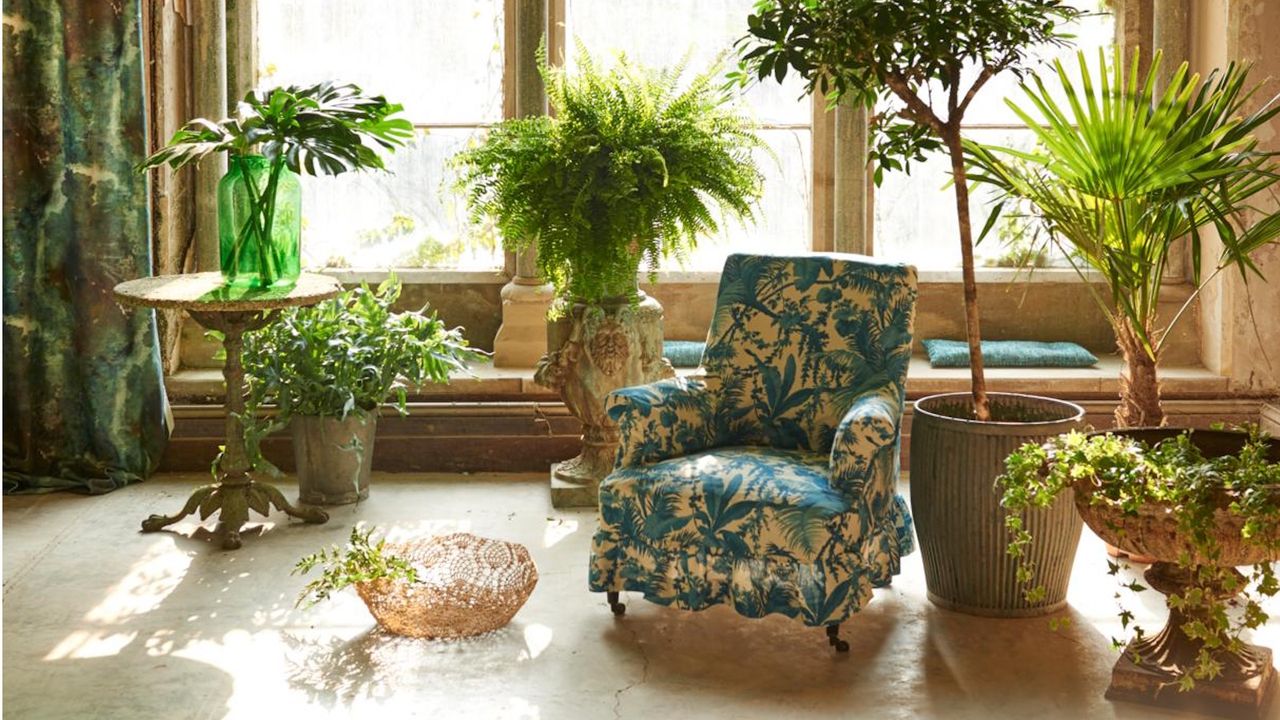
Layering houseplants means thoughtfully stacking, grouping, and positioning plants at varying heights, depths, and textures so that the eye moves through the space naturally, much like it would through a real forest. The result is a living room that feels deeply immersive, vibrant, and alive. The good news? You don't need a design degree or an unlimited plant budget to pull it off. You just need to know the five tricks that professionals rely on every single time.
Trick 1: Work in Three Distinct Height Levels
The most fundamental rule in plant layering is also the most transformative: always work with at least three height levels. Interior designers think of this as building a vertical landscape within a room. Just as a natural forest has a canopy, a mid-level shrub layer, and a ground cover, your indoor jungle needs the same structural logic.
In practice, this means placing a tall statement plant — such as a fiddle-leaf fig, a monstera deliciosa, or a tall snake plant — as your anchor. This is your "canopy." In front of or beside it, introduce medium-height plants at roughly eye level when seated, such as pothos on a stand, a peace lily, or a ZZ plant. Finally, bring in low-growing or trailing plants at floor level or on a low shelf, like ferns, string of pearls in a shallow pot, or a spreading calathea.
This tiered approach immediately gives the illusion of depth and abundance, even if you're working with just six or eight plants total.
Trick 2: Mix Textures and Leaf Shapes Intentionally
Amateur plant styling often fails not because of poor placement but because all the plants look too similar. Designers know that contrasting leaf shapes and textures are what give a plant grouping its visual richness and complexity.
Pair large, waxy, dramatic leaves — think monstera or rubber plant — against fine, feathery foliage like asparagus fern or maiden hair fern. Set a spiky, architectural succulent or a bird of paradise next to something soft and billowing like a Boston fern or a philodendron with heart-shaped leaves. The contrast creates tension, and tension creates visual interest.
Don't be afraid to mix glossy leaves with matte ones, or broad tropical foliage with thin, grass-like stems. The more textural variety you introduce, the more organic and layered the final result will feel.
Trick 3: Use Elevation Tools Creatively
One of the most powerful tools in a designer's kit isn't a plant at all — it's what the plant sits on. Plant stands, stacked books, wooden crates, vintage stools, and tiered shelving units all serve the same purpose: getting plants off the floor and into varied spatial positions that make layering possible even in compact rooms.
A trailing pothos placed on a tall plant stand becomes a cascading curtain of green that fills a corner beautifully. A cluster of small succulents arranged on stepped risers on a windowsill creates a miniature landscape. Wall-mounted planters and hanging macramé pots add a vertical dimension that frees up floor space while contributing to the layered aesthetic.
When choosing elevation tools, designers recommend keeping materials consistent or at least complementary — mixing too many different stand styles can make a grouping feel cluttered rather than curated.
Trick 4: Embrace the Power of Odd Numbers
Designers who work with plants regularly swear by one simple compositional rule borrowed from fine art and floral design: group plants in odd numbers. Clusters of three, five, or seven plants are almost always more visually dynamic than groupings of two or four, which tend to look symmetrical and static.
When building a plant vignette in a corner of your living room or along a wall, start with a group of three — one tall, one medium, one low — and build outward from there. The asymmetry creates a sense of natural, organic growth rather than deliberate arrangement, which is exactly the feeling that defines a true indoor jungle aesthetic.
This rule also applies to pots. Mixing pot sizes within a grouping rather than using uniformly sized containers adds another layer of visual depth and keeps the eye engaged.
Trick 5: Let Some Plants Spill and Sprawl
The final trick is perhaps the most counterintuitive for those used to keeping tidy, contained houseplants: let things get a little wild. In nature, plants don't stay in neat circles. They sprawl, trail, climb, and overlap. Interior designers intentionally choose trailing and vining species and allow them to drape over the edges of shelves, wind around room corners, or cascade down from high shelves toward the floor.
Plants like pothos, heartleaf philodendron, string of hearts, and tradescantia are perfect for this. Their trailing habit softens hard edges in a room, blurs the boundaries between plant groupings, and adds that unmistakable sense of lushness that makes a living room feel genuinely jungle-like.
Bringing It All Together
Creating a lush indoor jungle in your living room isn't about spending a fortune or filling every inch of space. It's about applying these five layering principles — varied heights, contrasting textures, creative elevation, odd-number groupings, and a willingness to let plants sprawl — with intention and consistency.
Start small. Pick one corner, apply all five tricks, and watch how quickly a handful of well-chosen, thoughtfully arranged plants can completely transform the energy of a room. Once you see the results, you'll understand exactly why interior designers consider layering the single most important skill in plant styling.