
Los Angeles Is Getting Serious About Its Housing Crisis — And Developers Are Taking Notice
For decades, Los Angeles has wrestled with one of the most severe housing shortages in the United States. Skyrocketing rents, a chronic shortage of affordable units, and a sluggish permitting process have made the city increasingly unlivable for working-class and middle-income residents alike. But one year into its landmark rezoning initiative, the city is beginning to show real, measurable results — and the development community is responding with growing enthusiasm.
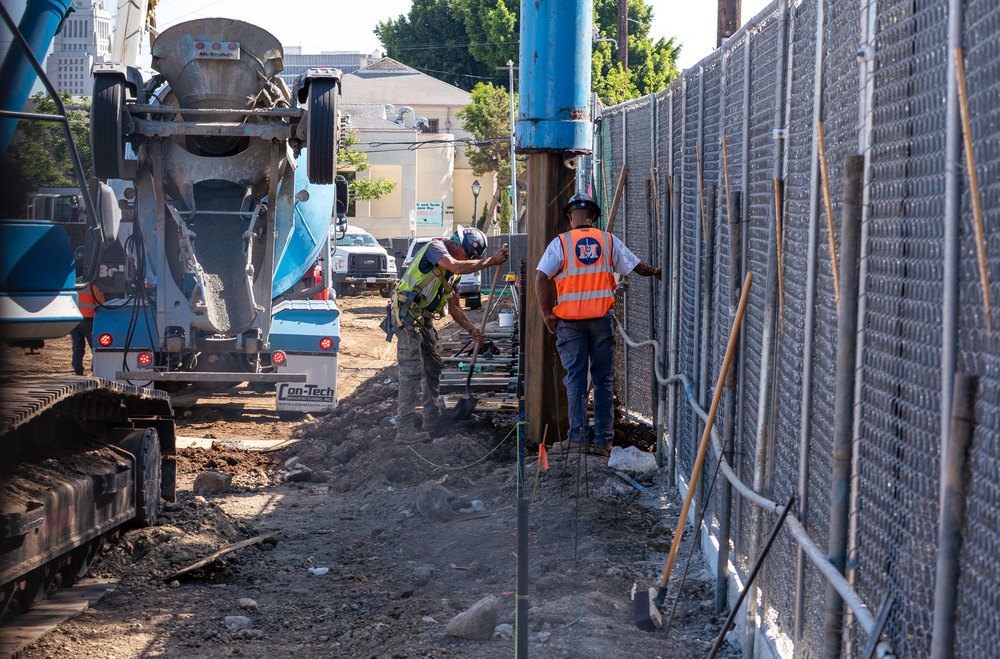
Mayor Karen Bass announced this week that approximately 28,500 new homes are now actively under development across Los Angeles, with a remarkable 40% of those units designated as income-restricted affordable housing. The announcement marks the one-year anniversary of the Citywide Housing Incentive Program, commonly known as CHIP, and signals a meaningful acceleration in the city's long-term housing production goals.
What Is the Citywide Housing Incentive Program (CHIP)?
CHIP is Los Angeles's most ambitious housing policy in a generation. The program was introduced as a direct response to years of sluggish residential construction — between 2013 and 2021, the city added just 82,000 new units, a pace far too slow to meet growing demand. In response, city officials set a bold target: build 456,643 new homes by 2029.
To meet that goal, CHIP restructures many of the bureaucratic and zoning barriers that have historically slowed housing development in Los Angeles. At its core, the program does three things:
- Expands multifamily zoning: CHIP allows more multifamily residential construction on parcels previously zoned exclusively for single-family homes, opening up vast portions of the city to denser development.
- Provides financial and regulatory incentives: Developers who include affordable or mixed-income units in their projects can access streamlined approvals and a range of financial incentives that significantly reduce the cost and timeline of bringing a project to market.
- Targets strategic locations: The program specifically prioritizes development near transit corridors, major arterial roads, and on land owned by public entities or religious organizations — areas where higher-density housing can thrive with strong infrastructure support.
According to Mayor Bass, the program "streamlines approvals, reduces barriers, and prioritizes projects that include affordable housing and serve community needs, especially near transit and major corridors where growth makes sense."
Developers Are Quickening the Pace
One of the most telling signs of CHIP's early success is the surge in developer interest. Real estate developers, both large institutional players and smaller local builders, are increasingly submitting applications and advancing projects through the city's planning pipeline. The combination of regulatory clarity, faster approvals, and financial incentives has created a more predictable development environment — and in real estate, predictability attracts capital.
The program's ability to reduce entitlement timelines is particularly significant. In Los Angeles, the entitlement process — the series of approvals required before construction can begin — has historically taken years and cost developers millions of dollars in carrying costs and legal fees. By streamlining this process for qualifying projects, CHIP is effectively lowering the risk premium that developers attach to L.A. projects, making them more competitive with developments in other cities and states.
This is not just good news for developers. When more projects become financially viable, more housing gets built, and more housing supply is the single most reliable tool for moderating rent increases over time.
Affordable Housing at the Center of the Strategy
A critical and often overlooked aspect of CHIP is its emphasis on affordable housing integration rather than affordable housing as an afterthought. The fact that 40% of the 28,500 units currently in the pipeline will be income-restricted is a strong early indicator that the incentive structure is working as intended.
In many cities, inclusionary zoning requirements — rules that mandate a percentage of affordable units in new developments — have actually reduced overall housing production by making projects financially unviable. CHIP attempts to avoid this trap by pairing affordability requirements with genuine regulatory and financial benefits that offset the reduced revenue from below-market units.
The long-term implications are significant. If Los Angeles can maintain this ratio of affordable to market-rate housing throughout its building push, it would represent a meaningful step toward addressing the city's deep inequalities in housing access, where low- and moderate-income residents are increasingly being pushed to the outer edges of the metro area or out of the region entirely.
Challenges That Remain
Despite the encouraging early numbers, Los Angeles faces substantial headwinds. Building 456,643 homes in just a few years requires not only developer interest but also an adequate supply of construction labor, consistent funding streams, continued political will, and community acceptance of denser development in established neighborhoods.
NIMBYism — the "Not In My Backyard" phenomenon — remains a powerful force in many of Los Angeles's more affluent single-family neighborhoods, where residents have historically opposed multifamily development on grounds of neighborhood character, traffic, and parking. CHIP's expansion of multifamily zoning will inevitably face legal and political challenges from these quarters.
Additionally, high interest rates and construction costs continue to create financing challenges for new residential development across the country. While CHIP's incentives help offset some of these pressures, they cannot fully insulate Los Angeles developers from broader macroeconomic conditions.
The Bigger Picture: What This Means for L.A. Real Estate
For prospective homebuyers, renters, investors, and real estate professionals, the acceleration of housing production in Los Angeles carries important implications. A sustained increase in housing supply — especially one that includes a meaningful affordable component — could begin to ease the extreme price pressures that have made Los Angeles one of the least affordable major cities in the United States.
While 28,500 units currently in the pipeline is a promising start, it represents only a fraction of the 456,643-unit goal. The true test of CHIP will come over the next several years, as projects move from planning to construction to occupancy. Mayor Bass has acknowledged there is "much more work ahead," but framed the first-year results as "real progress toward making Los Angeles more affordable and ensuring future generations continue to call this city home."
For a city that has long struggled to build its way out of a housing crisis, that kind of momentum — backed by actual shovels in the ground — is worth watching closely.