
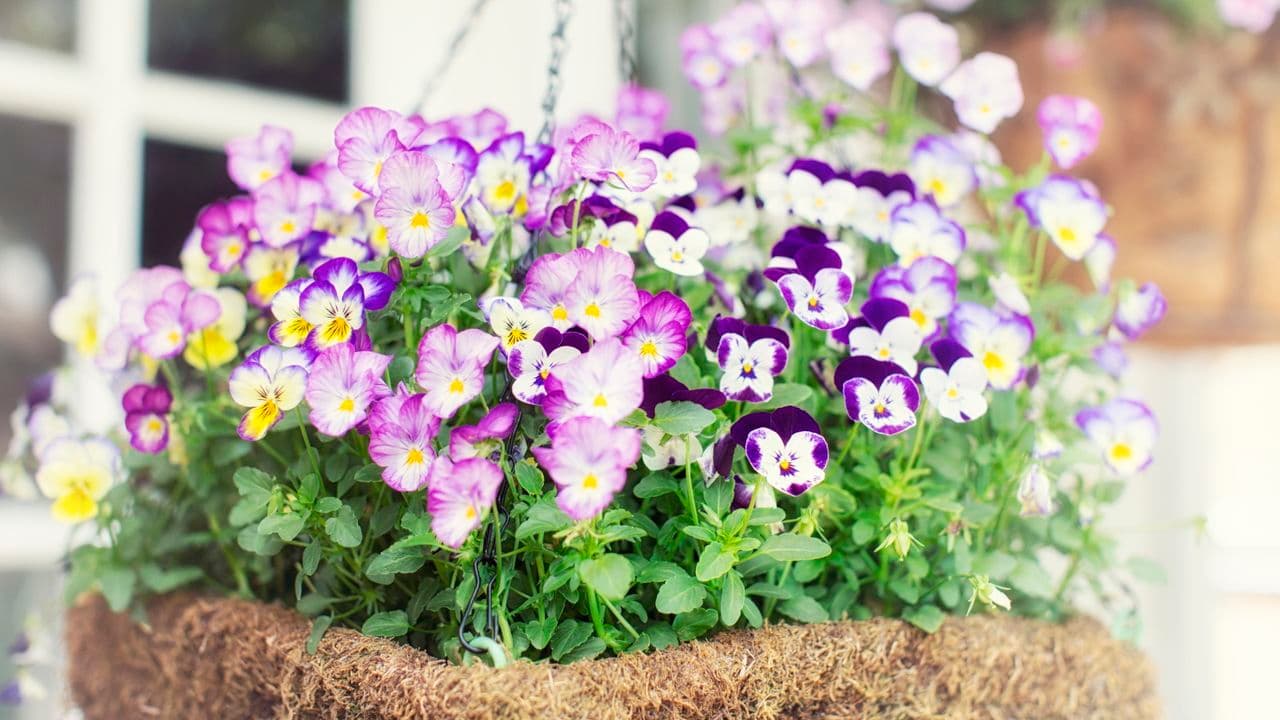
Why Your Hanging Baskets Stop Blooming (And What to Do About It)
There is nothing quite like a lush, overflowing hanging basket swaying gently by your front door or brightening up a patio corner. But if you have ever watched those vibrant blooms fade by midsummer, leaving behind a tired tangle of leggy stems, you know the frustration all too well. The good news is that keeping your hanging baskets beautiful from spring planting right through to the first frost does not require a green thumb or hours of garden labor. It requires just one simple weekly habit — and once you build it into your routine, the results will genuinely astonish you.
The One Weekly Habit That Changes Everything: Deadheading
The secret weapon of every gardener with enviably full, colorful hanging baskets is deadheading — the practice of removing spent, faded, or dying flowers from your plants on a regular basis. Done consistently once a week, deadheading signals to your plants that their job is not yet finished. When flowers die and begin to form seed heads, the plant naturally shifts its energy away from producing new blooms and toward seed production. By removing those spent flowers before seeds can develop, you interrupt that cycle and redirect the plant's energy back into making more flowers.
It sounds almost too simple, and yet this single act performed every seven days is the difference between a hanging basket that peaks in June and one that keeps dazzling well into September and October.
How to Deadhead Properly
Deadheading does not have to be complicated. For most common hanging basket plants — including petunias, calibrachoa, lobelia, fuchsia, and begonias — you simply pinch or snip the flower just below its base, removing the entire bloom and the small swollen seed pod behind it. Use your fingertips for soft stems or a clean pair of small scissors or pruning snips for thicker ones. As you work your way around the basket, also take the time to remove any yellowing leaves or visibly dead stems. This not only tidies the plant but also improves airflow and reduces the risk of fungal disease.
Pair Deadheading With These Weekly Basket Habits
Deadheading works best when it is part of a slightly broader weekly care routine. Think of it less as a chore and more as a five-to-ten-minute weekly check-in with your plants. While you are there pinching off spent blooms, you can address the other two needs your hanging basket has every single week: water and food.
Watering: More Often Than You Think
Hanging baskets dry out significantly faster than ground-level containers because they are exposed to air on all sides and are often positioned in sunny, breezy spots. During warm weather, most hanging baskets need watering at least once a day, and in hot spells or in full sun, twice daily is not unreasonable. During your weekly deadheading session, assess the overall moisture situation and make any adjustments to your daily routine. A good test is to push your finger about an inch into the soil — if it feels dry at that depth, it is time to water thoroughly until water drains freely from the bottom of the basket.
If you find that your basket dries out unusually fast, consider adding a water-retaining gel or crystals to the potting mix next season, or look for baskets lined with coconut coir, which tends to hold moisture more effectively than traditional moss liners.
Fertilizing: Feed Your Blooms Every Week
Here is something many gardeners overlook: every time you water a hanging basket, you are also flushing nutrients out of the potting mix. Most commercial potting composts are depleted of their initial nutrients within about six weeks of planting. After that point, your plants are relying entirely on you to feed them. A weekly dose of a balanced, water-soluble fertilizer with a higher middle number — the phosphorus value, which promotes flowering — is exactly what your basket needs to keep producing blooms all season long. Products labeled as "bloom boosters" or with an NPK ratio along the lines of 15-30-15 are well suited to flowering basket plants. Apply once a week according to the package instructions, and you will notice a remarkable difference in the density and longevity of your blooms.
Which Plants Respond Best to This Weekly Routine
Almost all popular trailing and mounding basket plants respond enthusiastically to consistent deadheading and feeding. Petunias are perhaps the most dramatic responders — neglected, they become stringy and sparse, but with weekly attention they remain dense and floriferous. Calibrachoa, often called million bells, benefits enormously from a weekly trim even though the tiny flowers can be fiddly to remove. Fuchsias, impatiens, verbena, diascia, and trailing geraniums all reward regular deadheading with a continuous flush of fresh flowers.
Some plants, including certain modern varieties of calibrachoa and impatiens, are marketed as self-cleaning, meaning they drop their spent blooms naturally without intervention. Even these plants, however, benefit from a weekly once-over to remove any blooms that did not fall cleanly and to check for signs of stress or disease.
Troubleshooting: When Weekly Care Is Not Enough
If your hanging basket is still looking sparse despite a consistent weekly routine, a few other factors may be at play. Insufficient light is a common culprit — most flowering basket plants need at least four to six hours of direct sun daily to bloom freely. If your basket is in deep shade, consider relocating it or switching to shade-tolerant options like fuchsia or impatiens. Root congestion can also limit flowering in very large, mature baskets; giving a congested basket a gentle liquid feed with a high-potassium fertilizer can help stimulate recovery.
Make It a Ritual, Not a Chore
The gardeners with the most spectacular hanging baskets are not necessarily the most skilled — they are simply the most consistent. Dedicate ten minutes each week, ideally the same day every week so it becomes second nature, to deadhead, assess water needs, and feed your baskets. Do this from the moment your baskets go up in spring to the very end of the growing season, and you will have hanging baskets that look professionally tended, burst with color, and stay beautiful weeks longer than those of neighbors who skip this one simple step. Your baskets — and your curb appeal — will thank you.