
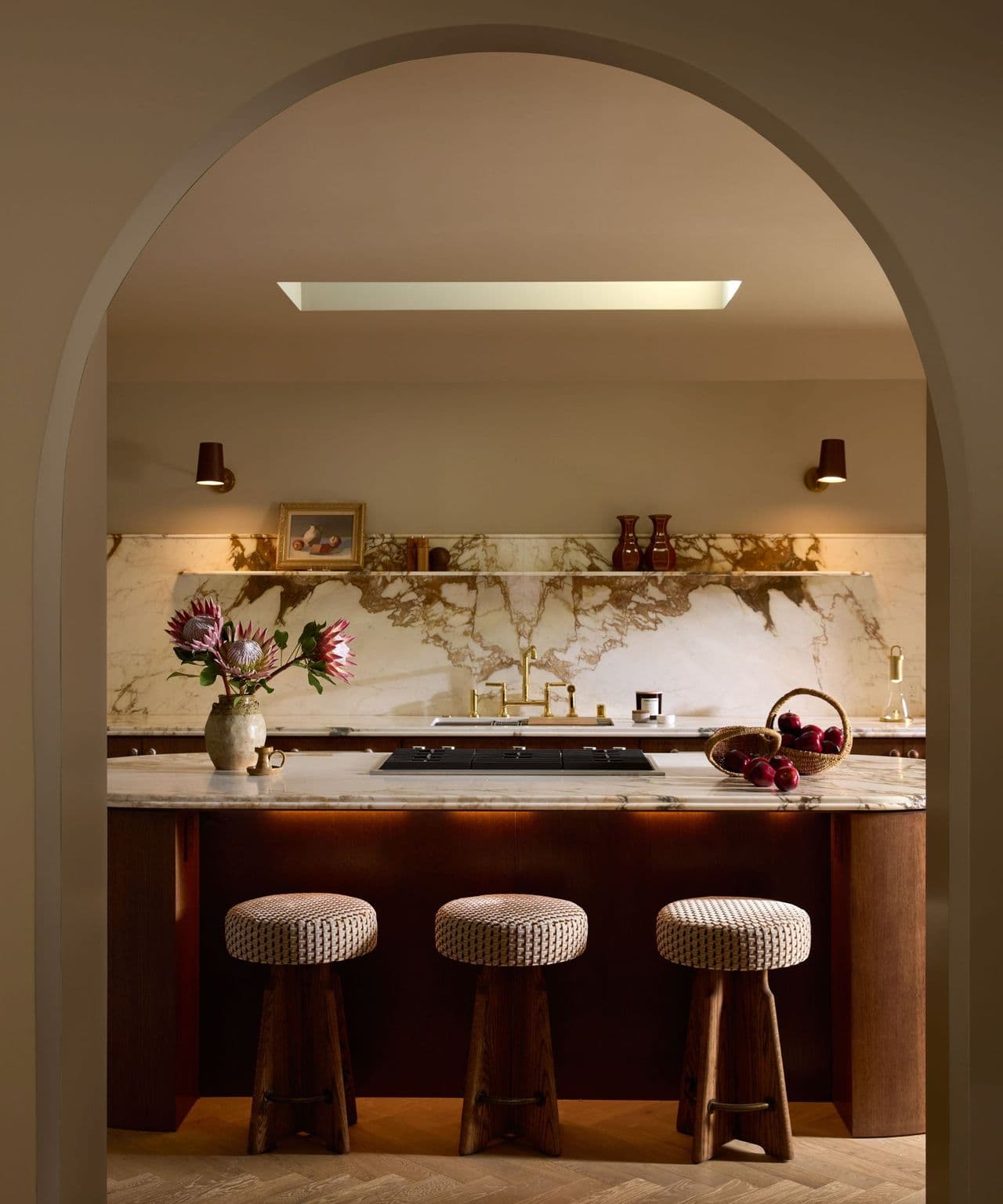
The Great Wall Removal: How Open-Plan Became the Default
Somewhere between the 1990s and the early 2000s, a quiet revolution swept through homes across the Western world. Walls came down. Doors disappeared. The kitchen merged with the dining area, which flowed into the lounge, which somehow absorbed what used to be the study. Four rooms became one vast, light-filled expanse — and we were told this was progress.
Open-plan living was sold to us as the ultimate domestic upgrade. It promised connection, sociability, and a sense of spaciousness that smaller, compartmentalised homes supposedly couldn't offer. Estate agents used it as a selling point. Interior designers championed it. Television renovation programmes tore out walls with gleeful abandon. And for a generation of homeowners, the open-plan layout became not just a preference but a default assumption about what a modern home should look like.
But here's the question very few people stopped to ask: what did we actually lose when the walls came down?
The Myth of the Connected Home
The central promise of open-plan design was that it would bring families together. No more isolation in separate rooms. No more shouting across hallways. Everyone would exist in one shared, harmonious space — cooking, working, relaxing, and conversing in easy, natural proximity.
In practice, the reality is far more complicated. Yes, open-plan homes can feel warm and social during a dinner party or a weekend morning. But they also mean that there is nowhere to escape. The teenager trying to revise for exams is three metres away from the television. The parent on a work call is competing with someone else's podcast. The partner who woke early and wanted quiet solitude finds that making coffee means disturbing the entire household.
Connection and togetherness are wonderful things. But so is solitude. The compartmentalised home, which open-plan design replaced, offered both — and that balance turns out to matter enormously to how we feel in our own spaces.
What We Lost: Privacy, Focus, and a Sense of Place
Each room in a traditional home had a distinct identity and purpose. The bedroom was for rest and intimacy. The study was for concentration and quiet thought. The sitting room was for leisure and conversation. The kitchen was a working, practical space, separate from where you relaxed. These distinctions were not arbitrary — they were functional, psychological, and even ceremonial in the way they shaped daily life.
When those boundaries dissolve, something subtle but significant is lost. Without distinct rooms, we lose what psychologists and architects call affordances — the environmental cues that tell us how to behave and what a space is for. When your kitchen, office, and living room are one undifferentiated zone, your brain receives no clear signal that it's time to wind down, focus, or switch off. The visual noise of unwashed dishes is never truly out of sight. The work laptop sits on the counter, silently demanding attention even on a Sunday afternoon.
This blurring of boundaries has real consequences for wellbeing. Studies in environmental psychology consistently show that defined, purposeful spaces support better mental health, improved sleep, and higher productivity. The walls we knocked down weren't just physical — they were cognitive and emotional boundaries too.
Noise, Smell, and the Tyranny of the Open Kitchen
Then there is the deeply practical matter of sensory overload. Open-plan homes, by their very nature, allow sound, smell, and heat to travel freely across the entire living area. A roasting tray in the oven fills the lounge with cooking smells for hours. A noisy extraction fan competes with the television. Children playing loudly in one corner of the room makes conversation impossible in another.
Traditional room layouts existed partly to manage exactly these kinds of domestic sensory conflicts. The kitchen was enclosed not to isolate the cook socially, but because cooking is a messy, loud, smelly activity that doesn't always blend well with reading, sleeping, or concentrated work. The living room was separated from the kitchen for good reason — and that reason didn't disappear just because an architect decided walls were unfashionable.
Is the Tide Turning?
There are signs that, after decades of enthusiastic demolition, attitudes toward open-plan living are beginning to shift. The pandemic played an unexpected role here: millions of people suddenly found themselves living, working, schooling, and socialising all within the same walls — and the absence of separate, purpose-built spaces became acutely painful. The home office trend, the return of the snug, and the growing popularity of "broken-plan" design — which reintroduces partial walls, screens, and varied ceiling heights to create distinct zones — all suggest that people are quietly rediscovering the value of rooms.
Architects and interior designers increasingly speak about the importance of acoustic privacy, visual retreat, and spatial variety — concepts that describe, in more technical language, exactly what a house with four rooms always provided naturally.
Rethinking What "Modern" Really Means
The assumption that open-plan equals modern, and that walls equal outdated thinking, deserves serious scrutiny. Good domestic design is not about following trends. It is about understanding how people actually live — the full, complicated, contradictory reality of human beings who need both company and solitude, both activity and stillness, both openness and enclosure.
When we turned four rooms into one, we gained a floor plan that photographs beautifully. What we lost was something harder to photograph but easier to feel: the quiet comfort of closing a door.