
Paramount Calls Out Netflix Over "Scorched-Earth Campaign" to Block WBD Merger
The entertainment industry's ongoing battle for streaming dominance has taken a dramatic new turn. Paramount Skydance has formally accused Netflix of orchestrating a behind-the-scenes campaign designed to derail its proposed acquisition of Warner Bros. Discovery (WBD). The accusation, made in a strongly worded letter to the U.S. Department of Justice's Antitrust Division, paints a picture of a streaming giant so rattled by the prospect of a powerful new competitor that it has resorted to what Paramount describes as a "scorched-earth campaign" against the deal.
The letter, dated June 5 and addressed to senior officials within the DOJ's Media, Entertainment, and Communications Section, escalates tensions between two of the most powerful players in modern entertainment. It also raises broader questions about competitive lobbying practices, the future of media consolidation, and what the merger would mean for workers, consumers, and the streaming landscape at large.
What Did Paramount Actually Say?
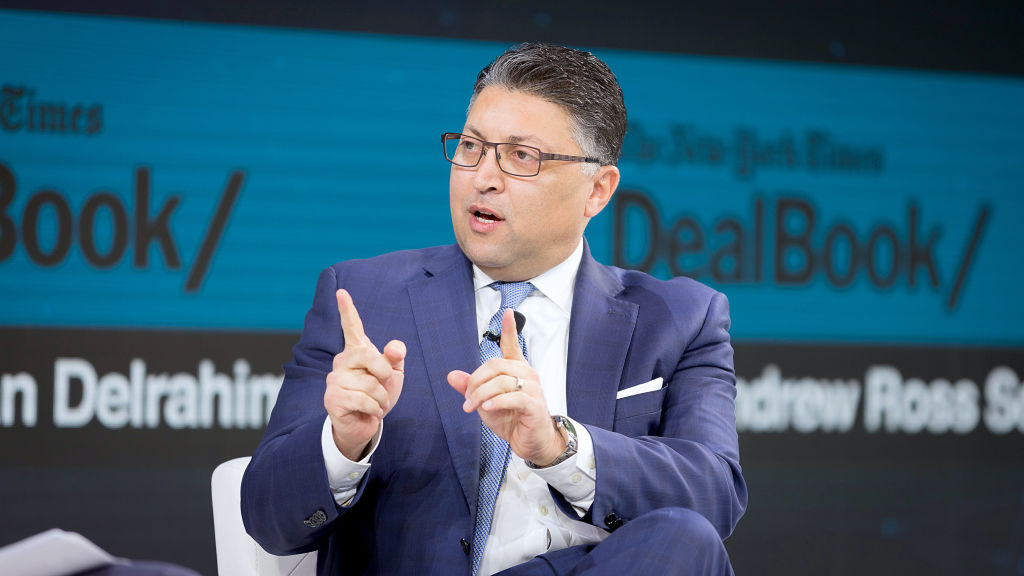
In the letter sent to Jared A. Hughes, acting section chief of the Media, Entertainment, and Communications Section of the DOJ's Antitrust Division, and trial attorney A. Maya Kahn, Paramount's chief legal officer Makan Delrahim did not mince words. The letter, first reported by Politico, stated explicitly that Netflix had engaged in a "panic-level response" to the proposed transaction.
Delrahim wrote: "Indeed, Netflix's panic-level response and scorched-earth campaign to try and poison regulators and other stakeholders against the Transaction shows just how seriously Netflix takes Paramount as a scaled competitor."
This is a striking accusation from a senior legal executive — and one who carries significant credibility in antitrust circles. Delrahim previously served as assistant attorney general for the Antitrust Division, giving his words both legal weight and political significance. By framing Netflix's opposition not as legitimate competitive concern but as a fear-driven attempt to kneecap a rival, Paramount is effectively asking regulators to view Netflix's objections with skepticism.
The Teamsters Letter That Triggered the Response
Paramount's letter to the DOJ was not written in a vacuum. It came in direct response to a March letter submitted by the International Brotherhood of Teamsters, one of the largest and most influential labor unions in the United States, with approximately 1.3 million members.
In that letter, the Teamsters urged the DOJ to block the Paramount-WBD merger unless substantial protections were put in place. The union argued that the combined entity would pose a serious threat to film and television workers, citing concerns about job losses, reduced domestic production, and the consolidation of creative decision-making power among fewer corporate hands.
The union's specific ask was clear: block the merger "unless substantial and enforceable safeguards are put in place to increase domestic production and protect jobs." It was a pointed intervention from a powerful lobbying voice — and Paramount's legal team appears to believe that Netflix was involved in encouraging or amplifying that opposition.
Why Would Netflix Want to Block the Merger?
Paramount's framing of Netflix as a panicking competitor reveals a great deal about how the streaming wars are being fought in 2025. If Paramount and Warner Bros. Discovery were to complete their merger, the resulting entity would represent one of the most formidable content libraries and studio infrastructures in the world. Combining Paramount's film and television catalog with WBD's vast portfolio — which includes HBO, CNN, Warner Bros. films, and a robust streaming platform in Max — would create a company with serious scale.
Netflix, which has long positioned itself as the dominant force in global streaming, would suddenly face a competitor with the content depth, distribution infrastructure, and financial resources to mount a serious challenge. From that perspective, Paramount's argument that Netflix is acting out of competitive self-interest rather than genuine regulatory concern carries a certain logic.
Whether or not Netflix has actively coordinated with labor unions or other stakeholder groups to influence the DOJ remains an open question. Netflix has not publicly commented on Paramount's accusations in detail, and the DOJ has not indicated whether it views the Netflix opposition as a meaningful factor in its review.
The Broader Stakes: Media Consolidation in the Streaming Era
The Paramount-WBD merger is just one chapter in a much larger story about the restructuring of the global entertainment industry. Over the past decade, the rise of streaming has forced legacy media companies to rethink their business models, merge assets, and compete for subscriber attention in ways that were unimaginable in the cable era.
Regulatory scrutiny of these mergers has intensified accordingly. The DOJ and Federal Trade Commission have taken increasingly close looks at media consolidation deals, reflecting broader concerns about market concentration, creative competition, and the economic conditions of workers in film and television production.
- The merger would combine two of Hollywood's most storied studio systems under a single corporate umbrella.
- Labor advocates argue consolidation typically leads to reduced production spending and job losses at the crew and below-the-line level.
- Streaming competitors like Netflix have a clear incentive to see rivals blocked from building scale through acquisitions.
- Antitrust regulators must weigh competitive dynamics in both the content creation and content distribution markets.
What Happens Next?
The DOJ's Antitrust Division will ultimately determine whether the Paramount-WBD deal can proceed as proposed, proceed with conditions, or be blocked entirely. The submission of letters from stakeholders — including labor unions, industry competitors, and the companies themselves — is a standard part of the merger review process, but the unusually sharp language from Paramount signals that the lobbying battle around this deal is intensifying.
Paramount's decision to publicly call out Netflix by name in a DOJ filing is itself a strategic move. By drawing attention to what it characterizes as competitive interference, Paramount is asking regulators to look past the labor concerns raised by the Teamsters and consider whether those concerns are being amplified or orchestrated by a rival with financial interests in seeing the deal fail.
A Pivotal Moment for Hollywood's Future
Regardless of how the DOJ ultimately rules, the public sparring between Paramount and Netflix underscores just how high the stakes are for everyone in the entertainment industry. The outcome of this merger review will shape the competitive landscape of streaming for years to come, influencing everything from content budgets and talent deals to the livelihoods of the hundreds of thousands of workers who make film and television possible.
As the review process continues, all eyes will be on the DOJ — and on whether the arguments made by Paramount, the Teamsters, and any other interested parties are enough to tip the balance. In an industry defined by the pursuit of audience attention, the real drama right now is playing out not on a screen, but in the corridors of regulatory power in Washington.