
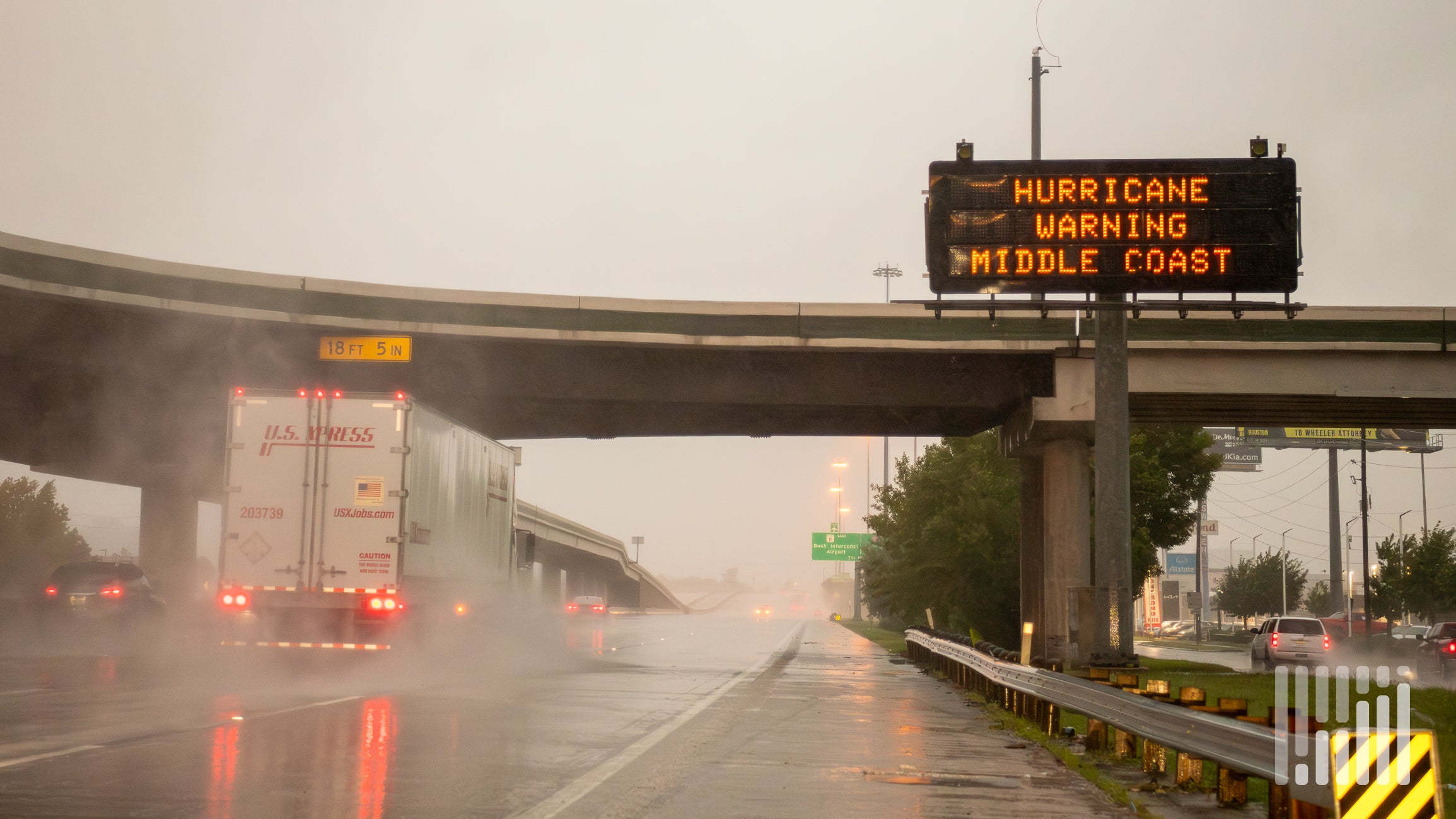
Port Houston's Hurricane Playbook: Safety First, Cargo Moving Fast
When a tropical system begins swirling in the Atlantic, most people are just starting to pay attention. At Port Houston, however, the response machine is already well in motion. Officials at the nation's busiest waterway by tonnage say hurricane preparedness is not a seasonal checklist — it is a year-round discipline built on hard-earned lessons, relentless coordination, and a clear-eyed commitment to protecting lives and keeping commerce flowing along the Texas Gulf Coast.
A Year-Round Commitment to Storm Readiness
Port Houston serves as the public port authority for the Houston Ship Channel, a critical artery of American trade that is home to more than 200 private terminals and eight public terminals. The channel supports an estimated 1.5 million jobs in Texas and 3.37 million jobs across the United States, making its resilience a matter of national economic importance.
Eric Casey, chief operating officer at Port Houston, is direct about the port's philosophy when it comes to storm preparedness. "We're preparing all year," Casey told FreightWaves. "We do a full hot wash and after-action report after every season and every event, whether it's Harvey, the derecho or another storm. We determine what worked, what didn't, and immediately incorporate those lessons into our program."
This continuous improvement model means that every significant weather event becomes a learning opportunity, feeding directly back into updated emergency protocols, infrastructure investments, and interagency communication strategies. Rather than treating hurricane season as a six-month window of elevated risk, Port Houston treats preparedness as an ongoing operational responsibility embedded into its culture at every level.
Understanding the Hurricane Season Timeline
The Atlantic hurricane season officially runs from June 1 through November 30 each year. For the Texas Gulf Coast specifically, the National Weather Service identifies August through September as the peak threat period — a narrow but historically dangerous window when warm Gulf waters provide maximum fuel for developing and intensifying tropical systems.
As the 2026 Atlantic hurricane season gets underway, Port Houston is refining emergency response plans that have been built and rebuilt through major weather events, most notably Hurricane Harvey in 2017, as well as more recent severe storms that have tested the Houston region's resilience. Each event has left its mark on how the port thinks, trains, and responds.
Early Monitoring: Watching Storms Long Before Landfall
One of the most important elements of Port Houston's hurricane playbook is the emphasis on early action. Casey explained that the port begins monitoring tropical systems long before formal hurricane warnings are ever issued by the National Weather Service or the National Hurricane Center.
"We start way back in the very beginning," Casey said. "As storms come across the Atlantic and into the Gulf, we're already coordinating with the Coast Guard, Houston Pilots and industry partners on preparedness measures."
In practice, preparations often begin five or more days before a potential storm makes landfall. This extended lead time allows port officials, terminal operators, shipping lines, and emergency management partners to align on protocols, begin pre-positioning resources, and start communicating with the supply chain well in advance of any operational disruptions. Early coordination is not just a best practice — it is a competitive advantage that helps minimize the economic impact of storm events on shippers, carriers, and the broader logistics network that depends on the Houston Ship Channel.
Multi-Agency Coordination at the Core
Port Houston does not operate in isolation when storms threaten. The port's emergency response framework is built around close collaboration with a network of federal, state, and local partners including the U.S. Coast Guard, Houston Pilots, local emergency management agencies, and the hundreds of private terminal operators that conduct business along the Ship Channel.
This multi-agency approach reflects the complexity of the Houston Ship Channel as an ecosystem. Closing and reopening a waterway of this scale requires precise choreography — vessels must be safely moored or moved, hazardous materials must be secured, and critical infrastructure must be inspected and cleared before commercial traffic can resume. Having established relationships and rehearsed communication channels with all relevant stakeholders means that when a storm strikes, the port is not building its response from scratch.
Worker Safety as the Non-Negotiable Priority
Throughout Port Houston's hurricane preparedness framework, worker safety remains the foundational, non-negotiable priority. Before any conversation about cargo recovery timelines or economic impact, the port's first obligation is to the men and women who work along the Ship Channel. Emergency protocols are designed to ensure that all personnel are safely evacuated or sheltered well before storm conditions become dangerous, and that return-to-work decisions are made only after thorough safety assessments have been completed.
Restoring Cargo Operations as Quickly as Possible
Once safety has been confirmed, speed of recovery becomes the dominant objective. The Houston Ship Channel handles petrochemicals, containerized goods, bulk commodities, and a wide range of other cargo categories that feed directly into national and global supply chains. Every day the channel remains closed following a storm carries significant economic consequences for Texas and the broader U.S. economy.
Port Houston's after-action review process — applied after every major weather event — is specifically designed to identify bottlenecks in the restoration process and eliminate them before the next storm arrives. Whether the lesson involves improving debris clearance coordination, accelerating federal inspection timelines, or upgrading communication systems between terminals, each finding is translated into a concrete operational improvement.
A Model for Port Resilience in a Changing Climate
Port Houston's approach to hurricane preparedness offers a compelling model for port authorities and logistics operators operating in storm-prone regions. By embedding preparedness into year-round operations, investing in multi-agency relationships, and committing to continuous learning after every event, the port has built a resilience framework that is designed to protect both people and commerce even as storm patterns continue to evolve.
As the 2026 hurricane season unfolds along the Gulf Coast, Port Houston's playbook is already open — and the preparation is very much underway.