
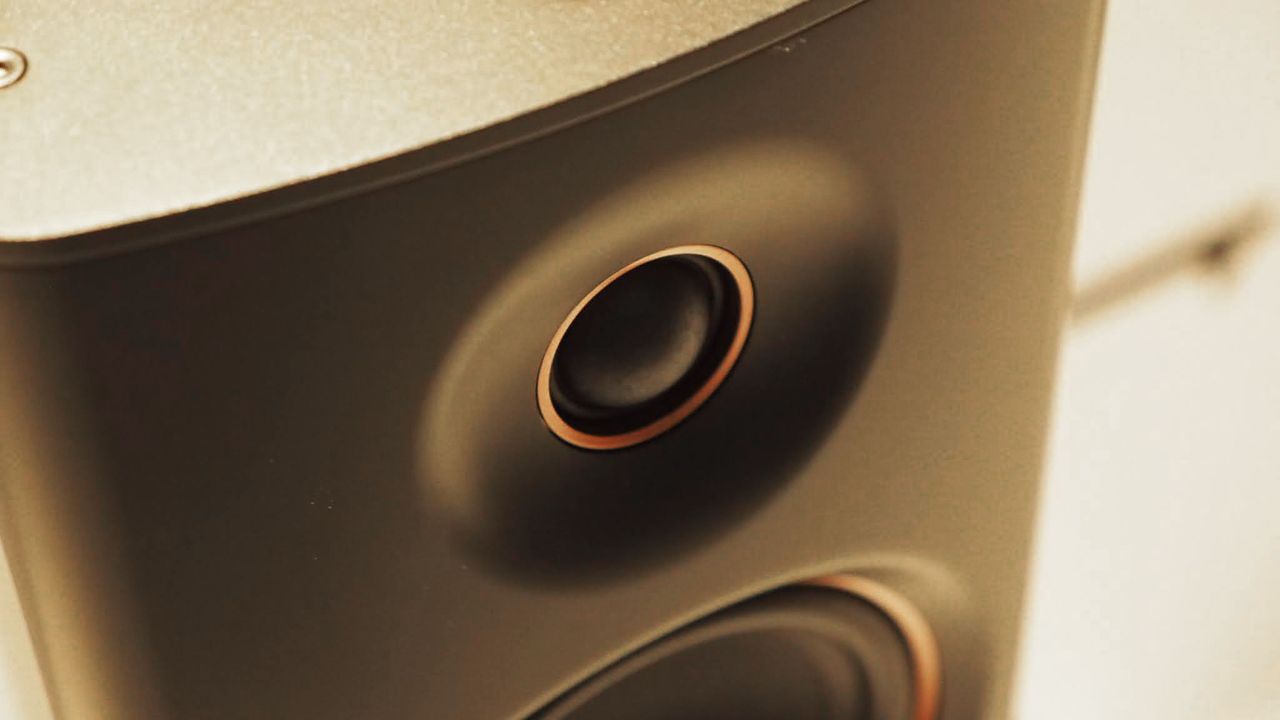
Powered Wireless Speakers Are Redefining Hi-Fi in 2026
The hi-fi world has always been a space of passionate debate — tube versus solid-state, vinyl versus streaming, separates versus all-in-one. But in 2026, one trend is cutting through the noise louder than any other: the rapid rise of powered wireless speakers. Audiophiles, casual listeners, and everyone in between are rethinking what a high-quality home audio setup actually needs to look like, and increasingly, the answer involves fewer boxes, fewer cables, and absolutely no compromise on sound quality.
Traditional separates systems — those carefully curated stacks of amplifiers, DACs, preamps, CD players, and passive speakers — have long been the gold standard for serious music lovers. But a growing number of buyers are pivoting away from this approach in favor of powered wireless speakers that pack extraordinary performance into a streamlined, elegant package. So what is driving this shift, and is it the real future of hi-fi?
What Are Powered Wireless Speakers?
Before exploring the trend, it helps to understand exactly what powered wireless speakers are and how they differ from traditional hi-fi setups. A powered speaker — also called an active speaker — has its own built-in amplification. Rather than relying on a separate amplifier to drive a passive speaker cabinet, the amplifier circuitry lives inside the speaker itself. This eliminates the need for bulky external amps and the often-expensive cables that connect them.
Wireless connectivity takes things a step further. Modern powered wireless speakers connect to source devices via Bluetooth, Wi-Fi, or proprietary wireless protocols, allowing you to stream music directly from your smartphone, laptop, or network-attached storage device without running a single audio cable across your living room. Many models also support lossless audio streaming, multiroom playback, and high-resolution audio formats, addressing the quality concerns that once made audiophiles dismissive of wireless technology altogether.
Why Buyers Are Walking Away from Separates
The separates model has genuine strengths. Upgrading individual components, mixing and matching brands to fine-tune a sound signature, and achieving the absolute ceiling of audio performance are all compelling reasons to invest in a traditional system. However, the barriers to entry have grown considerably, and modern buyers are weighing them seriously.
Cost is one major factor. Building a respectable separates system in 2026 requires significant investment across multiple components, and entry-level gear has not kept pace with inflation in the same way that powered speaker technology has. A single pair of premium powered wireless speakers can now deliver performance that would have required five or six separate components just a decade ago, at a fraction of the combined price.
Complexity is another barrier. Setting up a traditional hi-fi system demands knowledge of impedance matching, gain staging, interconnect choices, and speaker placement theory. For a new generation of music enthusiasts who grew up with streaming services and wireless earbuds, this learning curve feels less like an exciting hobby and more like an unnecessary obstacle to simply enjoying music.
Finally, living space has become a genuine constraint. Apartments and smaller homes are increasingly the norm in major cities, and dedicating an entire rack of equipment to audio simply is not realistic for many people. Powered wireless speakers solve this elegantly — a pair of compact bookshelf speakers and a single wireless connection can fill a room with remarkable sound without demanding shelf after shelf of dedicated audio equipment.
The Technology Has Finally Caught Up
Skeptics of the powered wireless speaker movement have historically pointed to audio quality as the sticking point, and for many years, they had a fair argument. Early wireless audio standards introduced compression artifacts and latency. Built-in amplifiers in affordable speakers were underpowered and prone to distortion. High-resolution audio was largely incompatible with consumer wireless systems.
In 2026, that argument has largely collapsed. Digital signal processing has become extraordinarily sophisticated, allowing manufacturers to implement room correction, dynamic equalization, and precise crossover tuning directly within the speaker's onboard electronics. Wireless protocols now support CD-quality and hi-res audio transmission with negligible latency. Class D amplification technology has matured to deliver clean, powerful output in compact form factors without generating excessive heat.
Leading manufacturers in the space have responded to audiophile demands by designing systems with dedicated tweeters, midrange drivers, and woofers — each driven by its own dedicated amplifier channel, matched precisely to that driver's characteristics. This approach, known as active crossover design, is technically superior to the passive crossover found in most traditional speaker setups, and it has historically been reserved for professional studio monitors. Now it is available in consumer products at accessible price points.
Key Features to Look for in 2026
If you are considering making the switch to powered wireless speakers, several features distinguish the best systems from the merely adequate ones. Look for support for lossless wireless streaming standards, such as Apple AirPlay 2 or HEOS, which preserve audio quality across your home network. Multiroom capability allows synchronized playback across multiple speakers in different rooms, effectively turning your entire home into a listening environment.
- Built-in DAC quality: A high-quality digital-to-analogue converter inside the speaker is essential for resolving fine detail in your music, especially when streaming high-resolution files.
- Analogue inputs: The best powered wireless speakers retain a set of analogue inputs, ensuring compatibility with turntables, CD players, and other legacy sources you may want to keep in your system.
- Room correction software: Automatic acoustic calibration tools can dramatically improve performance in real-world listening rooms, compensating for reflections and standing waves that colour the sound.
- App integration: A well-designed companion app gives you granular control over EQ, input selection, and streaming services without navigating confusing hardware controls.
The Future of Hi-Fi Looks Wireless
None of this means that traditional separates setups are about to disappear. For dedicated enthusiasts who enjoy the process of system building as much as the listening experience itself, the separates world remains vibrant and rewarding. High-end turntables, valve amplifiers, and hand-built passive speakers will continue to find a devoted audience.
But the mainstream direction of hi-fi in 2026 is unmistakably pointing toward powered wireless speakers. The combination of technological maturity, competitive pricing, design sophistication, and sheer ease of use has reached a tipping point that the industry cannot ignore. For buyers who want exceptional sound quality without the complexity, expense, and spatial demands of a traditional separates system, powered wireless speakers are no longer a compromise — they are often the smarter choice.
Whether you are a long-time audiophile looking to simplify your setup or a newcomer exploring what serious home audio has to offer, 2026 is an excellent time to audition what the best powered wireless speakers can do. The results, more often than not, are genuinely remarkable.