
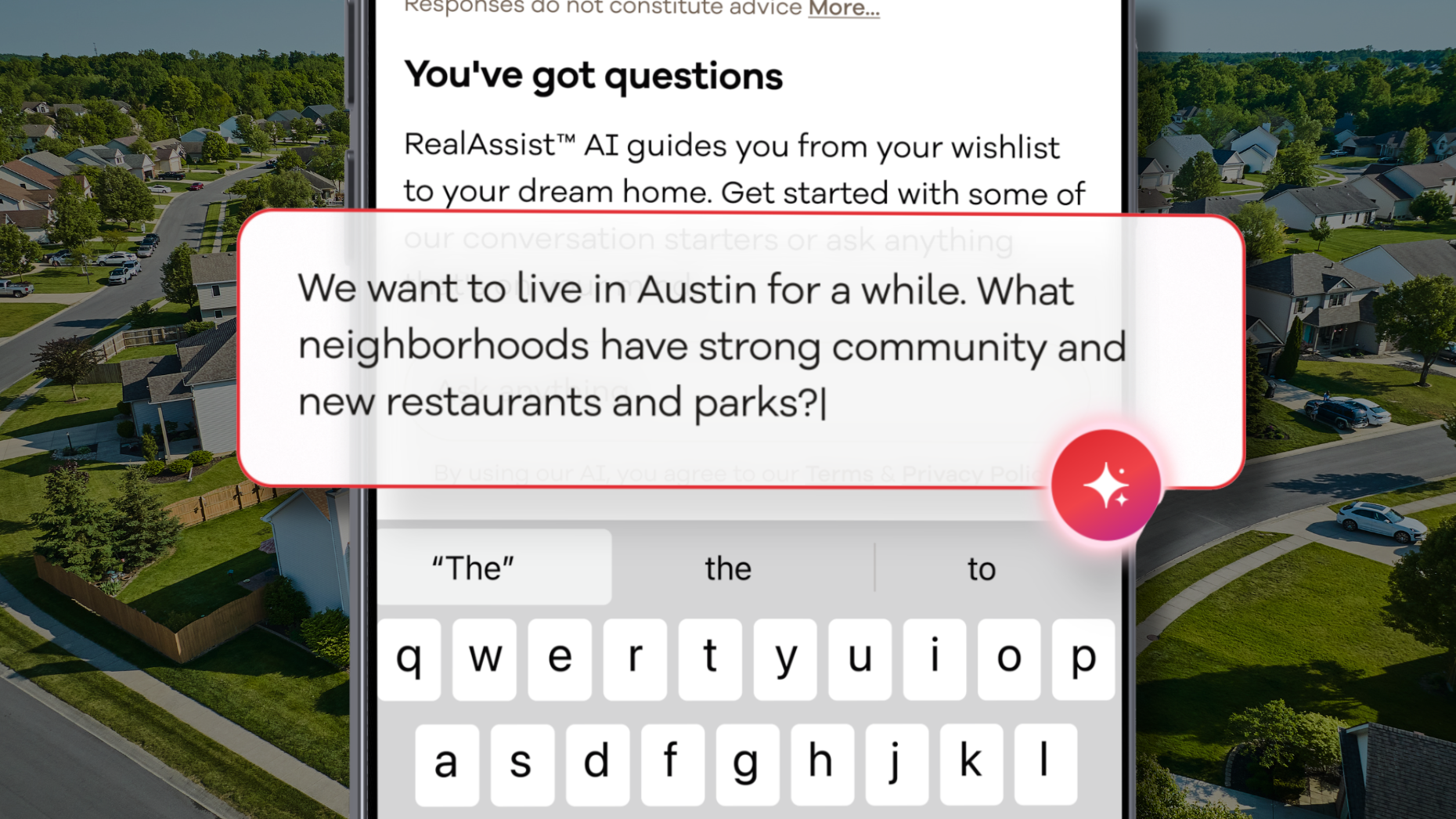
Realtor.com Introduces RealAssist AI: A Game-Changer for Homebuyers
Finding the right home has never been a simple process. Between browsing hundreds of listings, deciphering real estate jargon, calculating mortgage estimates, and keeping up with neighborhood trends, prospective buyers often feel overwhelmed before they even schedule a single showing. Realtor.com is looking to change all of that with the launch of its newest innovation: RealAssist AI, an artificial intelligence-powered assistant designed to make the home search experience faster, smarter, and far less stressful.
The debut of RealAssist AI signals a major shift in how one of the country's most trusted real estate platforms is leveraging technology to serve modern buyers. Rather than simply presenting a database of listings and leaving users to navigate it alone, Realtor.com is now putting a knowledgeable digital guide directly in the hands of every person who visits the site.
What Is RealAssist AI and How Does It Work?
RealAssist AI is an integrated conversational assistant built directly into the Realtor.com platform. It is designed to do two core things exceptionally well: streamline the listing search process and provide immediate, accurate answers to the most common questions homebuyers have during their property search journey.
Instead of requiring users to manually filter through dozens of search parameters and scroll endlessly through results, RealAssist AI allows buyers to describe what they are looking for in natural, conversational language. A user might type something like, "I'm looking for a three-bedroom home near a good school district in Austin under $450,000," and the AI will interpret that request and surface relevant listings accordingly. This marks a meaningful departure from the traditional checkbox-and-dropdown search experience that has defined real estate portals for years.
Beyond search, the assistant is equipped to answer a wide range of real estate questions on the spot. Whether a buyer wants to understand what earnest money means, how to evaluate a home inspection report, or what factors typically affect property taxes in a given area, RealAssist AI is built to respond with helpful, contextually relevant information. This effectively gives every user access to the kind of guidance that was once only available through a lengthy back-and-forth with a licensed agent or hours of independent research.
Why This Matters for Today's Homebuyers
The timing of RealAssist AI's launch reflects broader changes in the real estate market and in consumer expectations. Today's homebuyers, particularly younger generations entering the market for the first time, are accustomed to instant answers and personalized digital experiences. They expect the tools they use to understand them, anticipate their needs, and reduce friction at every step.
Traditional property search platforms, despite their vast databases, have often fallen short in this regard. Buyers are left to do significant interpretive work on their own, piecing together information from listings, third-party blogs, and conversations with agents. The result is a process that is time-consuming, confusing, and prone to costly misunderstandings.
RealAssist AI addresses this gap directly. By placing an intelligent, responsive assistant at the center of the search experience, Realtor.com is acknowledging that information delivery alone is no longer sufficient. Buyers need guidance, and they need it in real time.
Key Features and Benefits of RealAssist AI
- Conversational Search: Users can describe their ideal home in plain language rather than navigating complex filter menus, making the search process more intuitive and accessible for buyers of all experience levels.
- Instant Q&A Capability: The assistant answers common real estate questions immediately, covering topics from financing basics and contract terminology to neighborhood data and market conditions, reducing the need for buyers to leave the platform to find answers.
- Streamlined Listing Discovery: By interpreting user intent more intelligently than keyword-based search, RealAssist AI can surface listings that genuinely match a buyer's priorities rather than simply matching a set of rigid criteria.
- Always-On Availability: Unlike a human agent who is available only during business hours, RealAssist AI is accessible at any time of day, accommodating the reality that many buyers do their research late at night or on weekends.
- Reduced Cognitive Load: By handling the information-gathering and question-answering burden, the tool allows buyers to focus their mental energy on the decisions that truly matter, such as choosing between two strong candidates or negotiating an offer.
The Broader Trend: AI Is Reshaping Real Estate Technology
Realtor.com's move is part of a much larger wave of AI adoption sweeping through the real estate industry. Platforms across the sector are racing to integrate large language model capabilities into their products, recognizing that buyers and sellers increasingly expect the kind of personalized, responsive service that only AI can deliver at scale.
From automated valuation models that estimate property prices to predictive analytics tools that flag investment opportunities, artificial intelligence is quietly becoming the backbone of modern real estate technology. RealAssist AI fits squarely within this evolution, but its focus on the front-end buyer experience gives it particular significance. It is not just a back-end data tool; it is a consumer-facing product that directly shapes the way millions of people interact with one of the most important financial decisions of their lives.
This consumer-first orientation is important. Many AI tools in real estate have been built primarily for agents, brokers, and investors. RealAssist AI represents a deliberate investment in the buyer experience, which has historically lagged behind in terms of technological sophistication.
What This Means for Real Estate Agents
A natural question arises whenever AI enters a space traditionally dominated by human professionals: does this technology replace agents or support them? In the case of RealAssist AI, the answer appears firmly to be the latter. The assistant is designed to handle informational and logistical tasks that currently consume significant amounts of agent time, such as explaining common terms, answering procedural questions, and narrowing down listing options based on buyer preferences.
By handling these foundational tasks, RealAssist AI has the potential to make buyer-agent relationships more productive. When buyers arrive at conversations with agents already informed and clear about their priorities, those conversations can focus on higher-value activities like strategic negotiation, evaluating specific properties in depth, and navigating the emotional complexities of a major purchase.
For agents who embrace the technology, RealAssist AI could become a tool that elevates the quality of the service they provide rather than diminishing their role in the transaction.
Looking Ahead: The Future of AI-Powered Home Search
The launch of RealAssist AI is best understood not as a finished product but as an early indication of where real estate search is heading. As AI capabilities continue to advance, tools like this will almost certainly become more personalized, more predictive, and more deeply integrated into every stage of the homebuying journey.
Future iterations could conceivably offer hyper-localized market insights, proactively notify buyers when a listing matching their profile becomes available, or even assist with the early stages of offer preparation. The foundation that Realtor.com is laying today with RealAssist AI positions the platform to build toward these possibilities with a significant head start.
For homebuyers navigating an already complex market, that kind of intelligent, always-available support is not just a convenience. In a competitive market where speed and information can determine whether a buyer wins or loses a home, it could make a meaningful difference in outcomes. RealAssist AI is a clear sign that the future of home search is not just digital — it is intelligent.