
Why Does Your Home Still Feel Unfinished — Even After All That Decorating?
You've painted the walls, bought the furniture, hung a few pieces of art, and yet something still feels off. Your home looks furnished, but it doesn't feel finished. If that sounds familiar, you're far from alone. Interior designers hear this complaint constantly, and the good news is that the culprits are almost always subtle, easy-to-identify mistakes — and even easier to fix.
We've pulled together the six most common reasons designers say homes feel incomplete, along with practical, budget-friendly solutions that can transform the way your space looks and feels almost immediately.
1. Your Furniture Is Floating in the Room
One of the biggest reasons a room feels unsettled is that the furniture isn't properly anchored. When a sofa sits three feet from the wall with chairs scattered around it and nothing tying everything together, the space reads as disconnected and unresolved — no matter how beautiful the individual pieces are.
The fix here is deceptively simple: a well-placed area rug. Designers consistently point to rugs as the single most powerful tool for grounding a seating arrangement and giving a room a sense of intentional composition. The key detail most people get wrong, though, is rug size. A rug that is too small will make the problem worse, not better. For a living room, at minimum the front legs of all major seating pieces should sit on the rug. Ideally, the entire conversation grouping rests within its borders.
Pull your furniture closer together and toward the center of the room. Intimate, thoughtful groupings almost always feel more finished than furniture hugging every wall.
2. Your Lighting Is One-Dimensional
Relying solely on overhead lighting is one of the most common design missteps in residential spaces. A single ceiling fixture floods a room with flat, shadowless light that flattens texture, dulls color, and eliminates the warm atmosphere that makes a home feel truly inviting. It is the interior design equivalent of a blank wall — technically functional, but emotionally unsatisfying.
Designers approach lighting in layers: ambient light for general illumination, task lighting for functional areas like reading nooks or kitchen counters, and accent lighting to highlight art, architectural features, or decorative objects. Adding a floor lamp beside a chair, placing table lamps on either side of a sofa or bed, or installing dimmable sconces can shift a room's entire mood in minutes. The goal is warmth and depth, and layered lighting delivers both.
3. Your Walls Are Either Too Bare or Too Busy
Walls are one of the most mismanaged surfaces in home decorating. Leaving large expanses of wall completely empty creates a sense of incompleteness, as if the occupants just moved in and haven't gotten around to decorating yet. On the opposite end, cramming too many small, mismatched pieces together creates visual noise that reads as chaotic rather than curated.
The sweet spot, according to most designers, is intentional gallery walls or a single large-scale statement piece sized appropriately for the wall. When hanging art above furniture — a sofa, a bed, a console — the bottom edge of the piece should sit roughly six to eight inches above the furniture surface. Art hung too high is one of the most frequently cited mistakes designers encounter, and it creates a visual disconnect between the furniture and the wall that undermines the entire room's cohesion.
4. You're Missing Soft Textiles and Layered Texture
A room without textural variety feels hard, cold, and sterile. Even rooms with beautiful furniture can feel incomplete when they lack the layered softness that makes a space feel genuinely livable. Throw pillows, blankets, curtains, upholstered ottomans, woven baskets — these are not mere accessories. They are the elements that signal comfort and habitation.
Curtains deserve special mention here because they are almost universally hung incorrectly. Panels installed just above the window frame make ceilings feel low and windows feel small. Instead, mount curtain rods as close to the ceiling as possible and choose panels that reach the floor. This one change makes rooms feel taller, windows feel grander, and spaces feel dramatically more polished.
5. There's No Clear Visual Hierarchy or Focal Point
Every well-designed room has a focal point — a fireplace, a large window, a statement piece of furniture, or a bold artwork — that anchors the space and gives the eye somewhere to land. When a room lacks this hierarchy, it feels restless and directionless, even if all the individual elements are attractive on their own.
Identify the natural focal point in each room and then arrange your furniture and décor to support and enhance it. If no architectural focal point exists, create one. A large mirror, an oversized piece of art, a dramatic light fixture, or even a beautifully styled bookcase can serve this purpose effectively.
6. You've Forgotten the Small Finishing Details
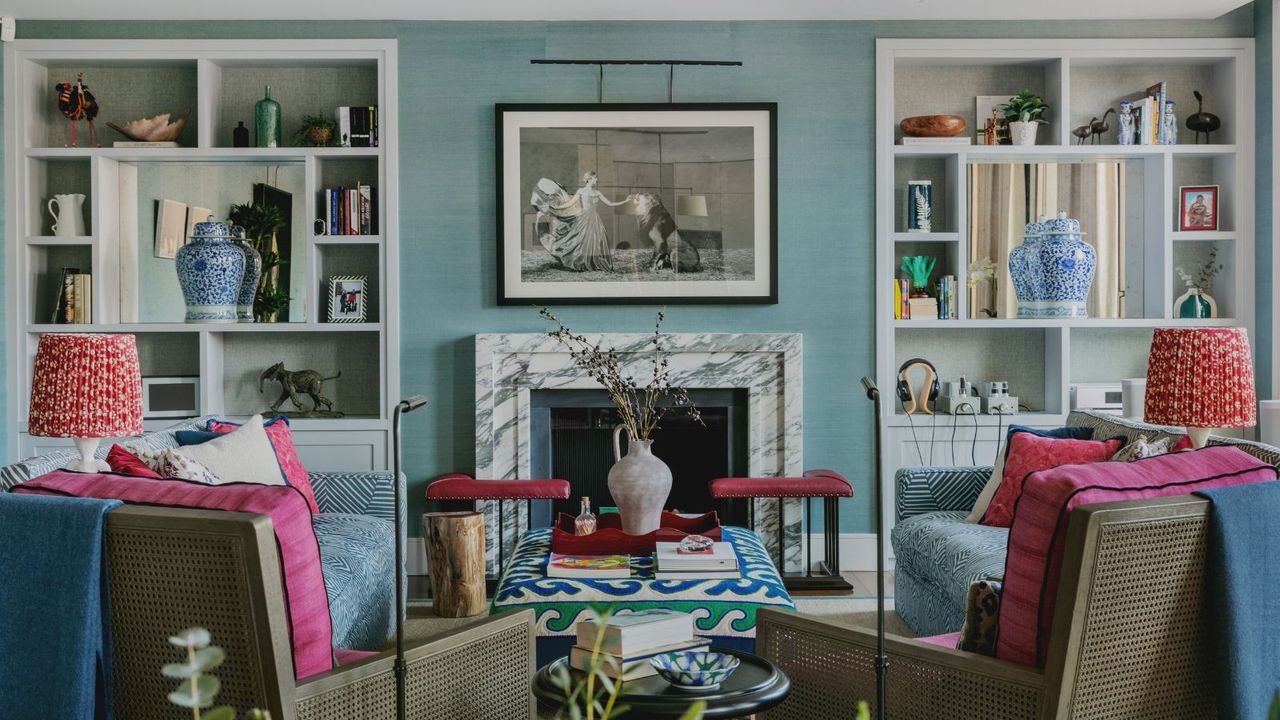
Designers often describe the final layer of a room as the "jewelry" — the small details that signal care, personality, and intentionality. This includes things like books styled on shelves, a curated collection of objects on a coffee table, fresh or high-quality faux greenery, scented candles, decorative trays that corral smaller objects, and personal photographs displayed with intention rather than afterthought.
These finishing touches don't need to be expensive. What matters is that they feel considered. A coffee table styled with a stack of books, a small sculptural object, and a simple plant communicates a level of thoughtfulness that bare surfaces simply cannot. These details are what shift a space from "furnished" to genuinely finished.
The Bottom Line: Finishing a Home Is About Intention
What ties all six of these mistakes together is the absence of intention. A finished home isn't necessarily an expensive or even a fully decorated home — it's a space where every decision feels deliberate. When furniture is grounded, lighting is layered, art is properly placed, textiles add softness, focal points provide direction, and small details convey personality, the result is a home that doesn't just look complete. It feels complete.
Start with one room, address the most obvious gap from this list, and notice the difference. More often than not, one thoughtful change has a ripple effect that makes the entire space feel more resolved than any amount of shopping ever could.