
Why North-Facing Gardens Deserve More Credit
North-facing gardens have long suffered an undeserved reputation as hopeless cases — dim, damp corners where nothing interesting will grow. But experienced gardeners know a different truth: shade is not the enemy of beauty. With the right plant selection and a little creativity, a north-facing garden can burst into life with rich textures, lush foliage, and surprising splashes of color throughout the year.
The key lies in choosing container plants that are not merely tolerant of lower light levels but genuinely well-suited to them. Containers give you flexibility that in-ground planting does not — you can move pots to catch seasonal light, group them for dramatic effect, or swap them out as one plant finishes flowering and another begins. Below are seven outstanding container plants that will reward you handsomely in a north-facing garden.
1. Fuchsia – A Shady Garden Classic for Good Reason
Few plants are as synonymous with shade gardening as the fuchsia. With its elegant, pendulous blooms in combinations of purple, pink, red, and white, a well-grown fuchsia in a hanging basket or tall container can stop you in your tracks. Fuchsias actively prefer cooler conditions and will often suffer in full sun, making a north-facing aspect close to ideal. They flower prolifically from late spring through to autumn, and regular deadheading combined with a balanced liquid feed will keep them performing at their best all season long. Look for trailing varieties for hanging baskets and upright types for statement pots at eye level.
2. Begonia – Unmatched Color in Low-Light Conditions
Begonias are workhorses of the shaded container garden. Tuberous begonias in particular produce extravagant blooms in fiery oranges, deep reds, soft yellows, and creamy whites that remain vibrant even without direct sunshine. They thrive in moist, well-drained compost and benefit from being sheltered from strong winds, which can snap their somewhat brittle stems. Wax begonias offer a smaller-flowered but no less cheerful alternative, with glossy foliage that adds extra ornamental value. Both types will reward you with continuous color from early summer well into autumn.
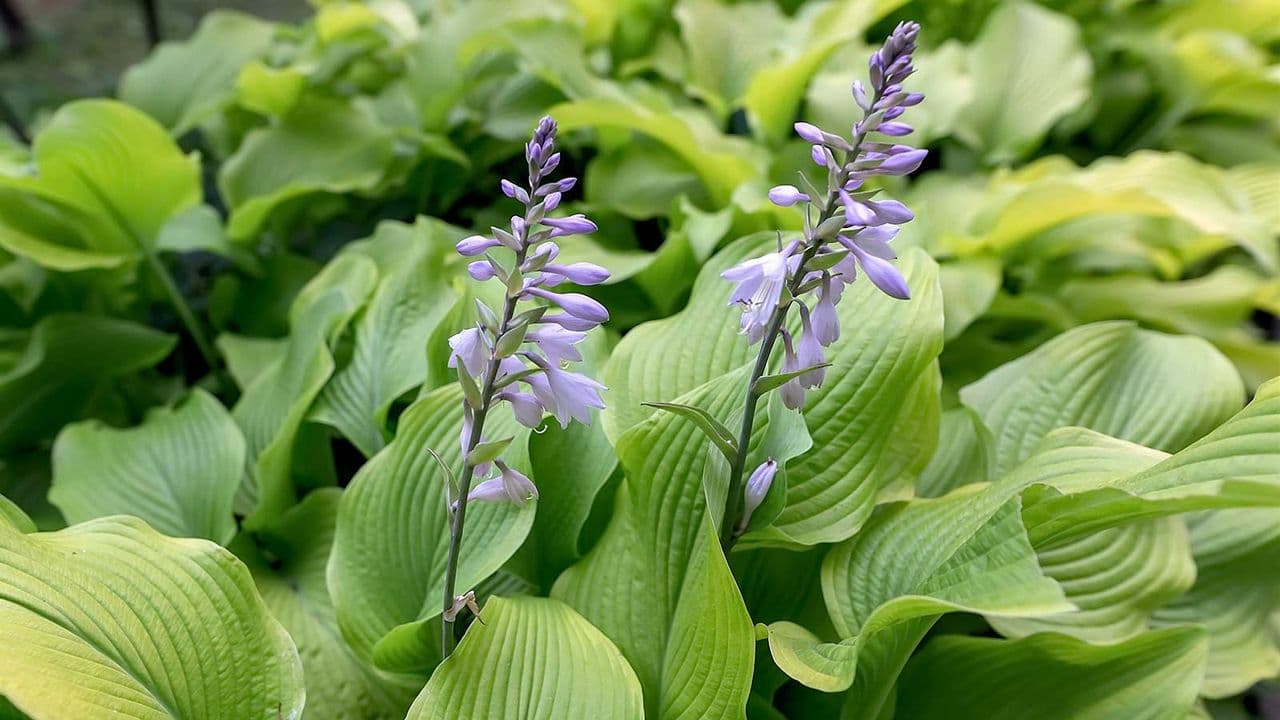
3. Hostas – Bold Foliage That Commands Attention
Not every plant needs to flower to make an impact, and hostas prove that point definitively. Grown primarily for their spectacular foliage, hostas come in an astonishing range of leaf sizes, shapes, and colors — from blue-green giants to delicate gold-edged miniatures. They are among the most shade-tolerant plants available and positively flourish in the cool, consistent moisture levels that north-facing gardens tend to provide. In containers, hostas are easier to manage and their slug-prone leaves are slightly more accessible for routine inspection. Pale lavender flower spikes appear in midsummer as a welcome bonus.
4. Astilbe – Feathery Plumes of Color Above Elegant Ferns
Astilbe brings a softness and movement to shaded container displays that few other plants can match. Its feathery plumes — available in white, cream, pink, coral, and rich crimson — rise above attractive, fern-like foliage from early to late summer, depending on the variety. Astilbes thrive in moisture-retentive compost and will flag quickly if allowed to dry out, so north-facing containers suit them well since evaporation rates are lower in shadier spots. They make excellent companions for hostas and ferns, creating a layered, woodland-inspired look that feels both natural and considered.
5. Hydrangea – Statement Shrubs for Deep, Lasting Impact
Hydrangeas are perhaps the ultimate container shrub for a north-facing garden. Mophead and lacecap varieties tolerate shade graciously, producing their iconic large flower heads in shades of blue, purple, pink, and white. The color of mophead hydrangeas is famously influenced by soil pH — acidic conditions produce blues and purples while alkaline conditions shift the blooms toward pink. Growing them in containers means you can control the compost type precisely to achieve your preferred hue. Their blooms last for weeks and even as they dry and fade into autumn, they retain an ornamental quality that carries the display well into winter.
6. Impatiens – Effortless Color With Minimal Fuss
Impatiens, sometimes called busy Lizzies, remain one of the most reliable choices for shaded container planting. Modern varieties, particularly the New Guinea impatiens, have shown greater resistance to downy mildew — the disease that previously caused widespread problems with the traditional forms. These plants produce a constant cascade of flowers in every shade from white and blush pink through to vivid coral and deep magenta. They require little deadheading, tolerate moist conditions well, and will fill a container with cheerful color from planting time right through to the first frosts of autumn.
7. Japanese Forest Grass (Hakonechloa macra) – Texture and Movement in Every Breeze
For something a little different, Japanese forest grass is a plant that earns its place in any shaded container scheme. Its arching, ribbon-like leaves cascade gracefully over the edge of a pot, creating a sense of flow and movement that contrasts beautifully with the rounder forms of hostas or begonias. The golden-yellow foliage of the popular 'Aureola' variety lights up dim corners like a shaft of sunlight. This ornamental grass is fully hardy in most temperate climates, low-maintenance, and reliably perennial, meaning it will return year after year to anchor your container displays.
Tips for Getting the Best From Shaded Container Gardens
Beyond plant selection, a few practical principles will help your north-facing container garden reach its full potential. Always use a high-quality, peat-free multipurpose compost mixed with perlite or grit to ensure good drainage, since waterlogged roots are a common problem in shadier, less evaporative conditions. Group containers together to create a sense of abundance and allow plants to benefit from the slightly more humid microclimate that groups generate. Feed regularly with a liquid fertilizer appropriate to the type of plant — foliage plants benefit from higher nitrogen feeds, while flowering plants prefer a potassium-rich formula.
Watering discipline is essential: shaded containers dry out more slowly than those in full sun, so always check compost moisture before watering rather than following a fixed schedule. Finally, do not underestimate the power of contrasting textures and heights. Pairing the bold, architectural leaves of a hosta with the feathery delicacy of an astilbe and the trailing softness of a fuchsia creates a display that is genuinely satisfying to look at — proof, if any were needed, that a north-facing garden is not a limitation but an invitation to garden differently.