
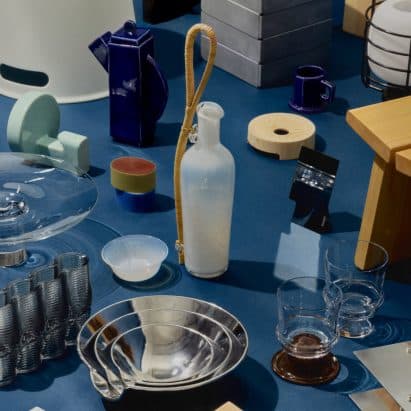
Where the Private Meets the Public: The Bread and Butter Exhibition on Bathing Culture
Few daily rituals are as universal yet as intimately personal as bathing. We do it every day, often in solitude, and yet the products we use, the bathroom spaces we design, and the habits we cultivate are shaped by powerful cultural, commercial, and social forces. The Bread and Butter exhibition, titled A Perfect Pair in Bathing, takes this fascinating tension as its starting point, exploring what curators describe as the "deeply private and strangely public" nature of bathing culture. The result is a thought-provoking look at how one of humanity's oldest rituals has been transformed by design, industry, and modern identity.
What Is the Bread and Butter Exhibition?
Bread and Butter is a design-focused exhibition and platform known for turning everyday, often overlooked consumer objects into subjects of serious cultural inquiry. Rather than spotlight luxury or high-concept design, the exhibition gravitates toward the ordinary — the things people use without a second thought. In its latest installment centered on bathing, the show brings together a carefully curated selection of products, packaging, tools, and imagery that collectively tell the story of how humans have approached cleanliness, beauty, and bodily care.
The exhibition invites visitors to look at their bathroom shelves with fresh eyes. What do the bottles, bars, and brushes stacked beside the sink reveal about who we are, where we come from, and what we value? It is this kind of question — mundane on the surface but surprisingly rich when examined closely — that gives the Bread and Butter exhibition its distinctive character.
Bathing as a Cultural and Design Statement
The concept of bathing has never been purely functional. Across history and across cultures, the act of washing has carried deep symbolic weight. Ancient Roman bathhouses were civic institutions, places of socializing and political discourse as much as hygiene. Japanese onsen culture elevates bathing to a meditative, communal ceremony. In contrast, the modern Western bathroom is typically a space of solitary retreat — a locked door, a few minutes of quiet, a small sanctuary from the noise of daily life.
Yet even in that private sanctuary, public influences are everywhere. The soap you choose, the brand of shampoo on the shelf, the type of towel folded neatly on the rack — all of these choices are shaped by advertising, social trends, environmental awareness, and aspirational lifestyle imagery. The bathroom, despite being one of the most private rooms in any home, is a space saturated with commercial and cultural messaging.
The Bread and Butter exhibition makes this contradiction visible. By placing bathing products in a gallery context, the show strips away their familiar utility and asks us to consider them as designed objects — artifacts that reflect broader attitudes toward the body, cleanliness, gender, and self-care.
The Design of Everyday Bathing Products
One of the most compelling aspects of the exhibition is its attention to the design details of products most people never consciously notice. Consider the ergonomics of a soap dish, the typography on a bottle of bubble bath, or the satisfying click of a shampoo cap. These are design decisions made by teams of professionals, tested on focus groups, and refined over years — yet they feel effortless and invisible in daily use.
The exhibition highlights how even the most modest bathing product is the result of considerable creative and commercial investment. Packaging design, material choices, fragrance, color, and texture all work together to communicate a brand's values and to appeal to a specific consumer's sense of self. A minimalist bar of cold-process soap speaks differently to its user than a brightly colored cartoon-branded kids' body wash. Both are functional. Both are designed. Both say something about who is expected to use them and why.
- The ergonomics of hand-held shower accessories and how they have evolved with changing bathroom architecture
- The shift toward sustainable and plastic-free bathing products as environmental consciousness reshapes consumer behavior
- The role of fragrance in defining a bathing product's emotional identity and cultural associations
- How gender-coded packaging in bathing products is slowly being challenged by gender-neutral design trends
The Tension Between Privacy and Public Identity
Perhaps the most intellectually provocative thread running through the Bread and Butter exhibition is its exploration of the tension between the intensely private experience of bathing and its surprisingly public dimensions. In the age of social media, even the bathroom has become a backdrop for self-presentation. Aesthetically arranged shelfies, "morning routine" videos, and influencer-endorsed skincare rituals have turned the private act of bathing into content — something performed as much as experienced.
This shift raises genuinely interesting questions about authenticity and image. When we curate our bathroom shelves to look good on camera, are we still engaging in a private ritual? When the products we choose are guided as much by what they signal to others as by what they do for us, how does that change our relationship to bodily care? The exhibition does not pretend to answer these questions definitively, but it frames them in a way that is impossible to ignore.
Why Exhibitions Like Bread and Butter Matter for Design Culture
In an era dominated by high-profile architectural projects and technology-driven design, exhibitions like Bread and Butter play a vital role in broadening the conversation. By taking everyday objects seriously — by treating a bar of soap or a bottle of conditioner with the same curatorial attention usually reserved for furniture or fine art — these exhibitions remind us that design is not an occasional event. It is the fabric of daily life.
The bathing edition of Bread and Butter is a timely reminder that some of the most meaningful design happens in the smallest, most intimate spaces. The bathroom is not glamorous. But it is revealing. And in the hands of thoughtful curators, even the most familiar rituals can become a lens through which to understand culture, identity, and the endlessly complex relationship between private life and public image.
Final Thoughts
The Bread and Butter exhibition's exploration of bathing culture is both accessible and genuinely thought-provoking. By framing an everyday ritual as a site of cultural complexity, it invites visitors — and anyone interested in design — to reconsider the objects that surround them each morning. Whether you are a design professional, a cultural enthusiast, or simply someone curious about why we do the things we do, this exhibition offers a refreshingly grounded and human perspective on what it means to design for the most private moments of daily life.