
What Happened in Garden Grove Over Memorial Day Weekend?
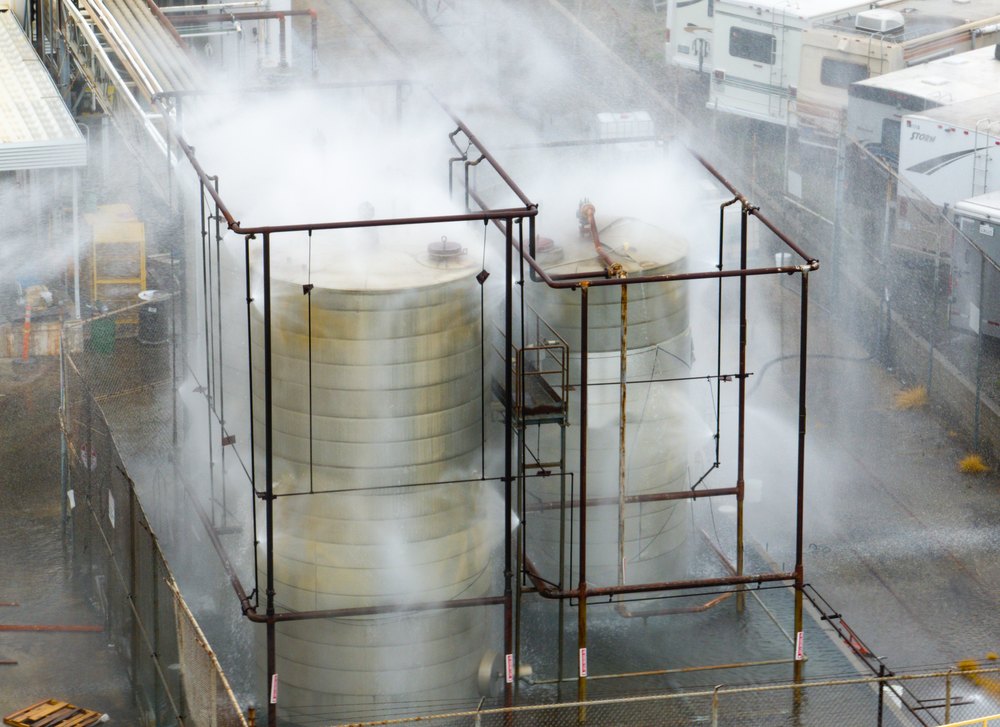
Over Memorial Day weekend, residents of Garden Grove, CA, woke up to a crisis that few had anticipated. A chemical tank at a nearby aerospace facility — GKN Aerospace — began overheating, raising the terrifying prospect of a catastrophic spill or explosion. Emergency responders rushed to the scene, deploying massive amounts of water to cool the overheating tank while city officials issued a mandatory evacuation order affecting more than 50,000 residents.
For many homeowners, the experience was surreal. Families packed their belongings, not knowing whether they would return to a neighborhood that was safe, contaminated, or worse. Although first responders managed to contain the situation and residents were eventually permitted to return home, the psychological and financial aftershocks are only beginning to ripple through the local real estate market.
The Psychological Toll on Homeowners and Residents
Even when a chemical emergency is resolved without a confirmed release of hazardous materials, the psychological damage to those who live nearby can be profound and lasting. Many Garden Grove residents have described a lingering sense of unease — a feeling that the threat has not truly gone away, merely been postponed. Some say the damage to their sense of safety and community belonging may be irreparable.
This anxiety is not irrational. Industrial accidents are rarely isolated incidents. When a facility experiences one critical failure, residents are left asking whether it could happen again, and whether the long-term environmental consequences of even a near-miss are fully understood. The uncertainty itself becomes a burden that many homeowners carry every single day.
For those who were already considering selling, the event has added a layer of urgency. For those who had no plans to move, it has introduced doubts that are difficult to shake. And for prospective buyers, the incident has raised a critical question: is Garden Grove still a place worth investing in?
How Industrial Hazards Affect Property Values
Research on real estate markets consistently shows that proximity to industrial facilities, chemical plants, and other hazardous sites has a measurable negative effect on property values. Studies have found that homes located near Superfund sites or facilities with environmental risk profiles can see value reductions ranging from 5% to as much as 20%, depending on the severity and publicity of the associated risk.
The Garden Grove situation is particularly complex because the tank was contained before any confirmed chemical release occurred. However, real estate markets do not wait for scientific certainty. Perception drives buyer behavior, and the widespread media coverage of the evacuation has already planted seeds of doubt in the minds of potential buyers throughout Orange County and beyond.
Key factors that will influence how Garden Grove property values respond include:
- Ongoing transparency from GKN Aerospace and local authorities about the root cause of the overheating and what steps are being taken to prevent a recurrence.
- Environmental testing results that either confirm or rule out any ground, air, or water contamination stemming from the incident.
- Buyer sentiment and demand trends in the months following the event, which will signal whether the market has absorbed the shock or begun a more prolonged decline.
- Media coverage duration — incidents that remain in the news cycle tend to have a more lasting impact on nearby home values than those that fade quickly from public attention.
Can Homeowners Still Sell Their Properties?
One of the most pressing concerns for current Garden Grove homeowners is whether they will still be able to sell their properties — and if so, at what price. The short answer is yes, homes in the area will continue to sell, but sellers should be prepared for a more challenging process.
Disclosure requirements in California are among the strictest in the nation. Sellers are legally obligated to disclose known material facts that could affect a buyer's decision, and an event of this magnitude almost certainly qualifies. This means that the chemical scare will need to be part of the conversation in any real estate transaction in the area, potentially giving buyers additional leverage to negotiate price reductions or request further inspections.
Real estate agents working in Garden Grove are already advising sellers to be proactive about transparency, to gather documentation showing that their specific properties were not affected by contamination, and to price their homes competitively to attract buyers who might otherwise look elsewhere in Southern California.
The Broader Trend: Americans Are Rethinking Industrial Neighbors
The Garden Grove incident is not happening in a vacuum. Across the United States, communities are becoming increasingly aware of the livability risks associated with proximity to chemical facilities, data centers, refineries, and other industrial operations. From East Palestine, Ohio, to communities neighboring aging petrochemical plants along the Gulf Coast, Americans are asking harder questions about what it means to live near industrial infrastructure.
This growing awareness is changing homebuying behavior. More prospective buyers are researching environmental risk databases, checking EPA facility records, and consulting resources like the Toxic Release Inventory before making purchase decisions. Real estate platforms have also begun incorporating environmental risk scores into property listings, making it easier than ever for buyers to factor industrial hazards into their evaluations.
What Should Garden Grove Homeowners Do Now?
If you own a home in or around Garden Grove, here are practical steps to consider as you navigate the aftermath of this incident:
- Stay informed. Follow updates from the City of Garden Grove, Orange County environmental agencies, and GKN Aerospace regarding any ongoing risk assessments or safety improvements at the facility.
- Request environmental testing. If you have concerns about air or soil quality near your property, consult with an independent environmental assessment firm to get a professional evaluation.
- Consult a local real estate professional. A knowledgeable agent familiar with the Garden Grove market can give you an honest appraisal of how the incident is affecting local pricing and buyer interest in real time.
- Review your homeowner's insurance coverage. Some policies include provisions related to environmental contamination or evacuation events; now is the right time to understand what protections you have.
- Consider your long-term plans. If you were already thinking about relocating, the current market dynamics — while challenging — may still favor acting sooner rather than waiting for uncertainty to deepen.
Looking Ahead: Recovery or Prolonged Uncertainty?
Real estate markets have demonstrated remarkable resilience in the face of localized crises before. Communities that experienced natural disasters, industrial accidents, and other shocks have often recovered — sometimes fully — once safety was restored, transparency was established, and time allowed fears to subside. Garden Grove has many underlying strengths as a Southern California community, including its location, infrastructure, and established neighborhoods that will continue to attract buyers.
However, the path to recovery depends heavily on how local officials, the aerospace facility, and the broader community respond in the weeks and months ahead. Swift, credible action to address the root cause of the incident and communicate openly with residents will be essential to restoring confidence. Without that, the psychological and financial damage of this Memorial Day scare could prove to be as enduring as the fears it has already inspired.