
What Does It Mean to Grow Tomatoes Upside Down?
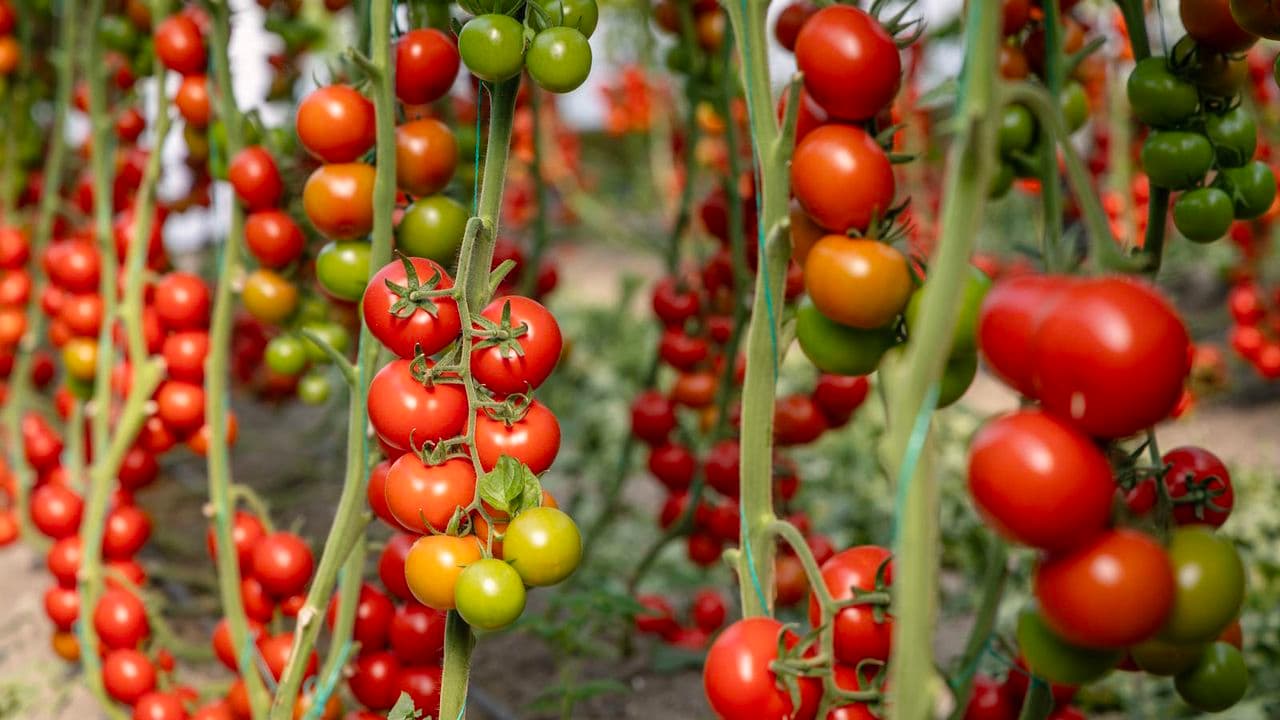
If you have ever walked past a neighbor's porch and spotted a planter hanging from the ceiling with lush green vines spilling downward and clusters of red tomatoes dangling in the open air, you have witnessed upside-down tomato growing in action. The concept is exactly what it sounds like: instead of planting tomatoes in a traditional ground-level bed or upright container, you suspend the plant through the bottom of a hanging planter so that the stems and fruit grow downward under gravity while the roots and soil remain secure inside the container above.
It sounds strange at first glance. Tomatoes are, after all, typically trained to climb upward along cages, stakes, or trellises. But the upside-down method has been quietly gaining popularity among urban gardeners, apartment dwellers, and anyone working with limited square footage, and for very good reason. Once you understand why it works, the whole idea starts to make a lot of sense.
The Science Behind Why It Actually Works
Tomato plants are remarkably flexible in how they grow. The stems are capable of bending and adjusting their direction over time, which means that even when a plant is initially trained downward, it will often curve back upward as it seeks sunlight. This natural phototropism means the plant is not fighting itself; it is simply adapting. The vines cascade beautifully, the fruit hangs freely without resting on soil or damp surfaces, and the roots have a warm, well-drained environment inside the container.
One of the lesser-discussed advantages is that hanging plants receive excellent air circulation on all sides. Poor airflow is one of the leading causes of fungal diseases in tomatoes, including early blight and gray mold. When your plant is suspended in open air rather than crowded into a raised bed alongside other plants, you dramatically reduce the risk of these common problems. Fewer disease issues mean less intervention, less money spent on treatments, and ultimately a healthier, more productive plant throughout the season.
The Budget-Friendly Case for Upside-Down Planters
Traditional gardening in a small space is not always cheap. Raised beds require lumber, hardware cloth, quality soil, and often a significant amount of physical labor to assemble. Even large containers for conventional upright growing can cost a surprising amount when you factor in the pot itself, a suitable trellis or cage, quality potting mix, and fertilizer. The costs add up quickly, particularly if you are trying to grow in volume.
Upside-down planters, by contrast, are among the most affordable gardening investments you can make. Purpose-built hanging tomato planters are widely available online and at garden centers for a very modest price, and many gardeners have successfully improvised versions using five-gallon buckets with holes cut in the bottom. The setup requires minimal soil compared to a full raised bed, which is itself a meaningful saving. You are also eliminating the need for cages and stakes entirely, since the plant is supported by the structure of the planter rather than an external support system.
For renters, balcony gardeners, and anyone without access to outdoor ground space, the appeal is obvious. A single sturdy hook screwed into a ceiling joist, a fence bracket, or a freestanding shepherd's hook in a corner of a patio is all you need to create a productive growing space where none previously existed.
Choosing the Right Tomato Varieties for Upside-Down Growing
Not every tomato variety is equally well-suited to the upside-down method. The best choices tend to be compact, determinate, or patio varieties that produce reasonable yields without sending out extremely long, heavy vines that could strain the hanging structure. Some of the most recommended options include:
- Tumbling Tom — A trailing variety specifically bred for hanging baskets and containers, producing sweet cherry tomatoes throughout the season.
- Tiny Tim — A dwarf variety that stays compact and produces small, flavorful fruits ideal for snacking.
- Patio F1 — A bushy determinate variety that does well in confined growing situations and ripens reliably.
- Sweet Million — A prolific cherry tomato that handles the downward orientation gracefully and produces generous clusters of fruit.
Larger beefsteak-type tomatoes can technically be grown using this method, but the additional weight of the fruit and the longer vines make them more challenging to manage and may require a very sturdy hanging system to avoid accidents.
How to Set Up Your Upside-Down Tomato Planter Step by Step
Getting started is genuinely straightforward, which is part of what makes this method so appealing to beginners. Here is a simple process to follow:
- Choose a container that holds at least two gallons of soil, ideally five gallons for the best results. Ensure it has a hole in the bottom approximately two inches in diameter.
- Cut a small slit in the side of a coffee filter or a piece of landscape fabric and slip it around the stem of your seedling to protect the stem from rubbing on the hole edges.
- Feed the seedling roots-first through the bottom hole so the plant hangs out of the base of the container while the root ball remains inside.
- Fill the container with a high-quality potting mix, leaving an inch of space at the top for watering. Avoid garden soil, which is too dense and will impede drainage in a container setting.
- Water thoroughly before hanging, since wet soil is significantly heavier than dry soil and you want to test the weight before committing to a hook placement.
- Hang in a location that receives at least six to eight hours of direct sunlight daily, which is the minimum tomatoes need to produce a meaningful crop.
Watering and Feeding Upside-Down Tomatoes
One important consideration with upside-down planters is that they tend to dry out faster than ground-level containers because they are exposed to airflow on all sides and are often situated in sunny, warm spots. During peak summer heat, you may need to water once a day or even twice on particularly hot days. A simple finger test works well: push your finger about an inch into the soil and if it feels dry at that depth, it is time to water.
Feeding is equally important. Tomatoes are heavy feeders and will exhaust the nutrients in a container quite quickly. A balanced liquid fertilizer applied every one to two weeks throughout the growing season will keep your plant productive and the fruit sweet. Some gardeners also add a slow-release granular fertilizer to the potting mix at planting time as a baseline, then supplement with liquid feed as the season progresses.
Common Mistakes to Avoid
The most frequent error new upside-down growers make is choosing a container that is too small. A planter that holds less than two gallons will dry out almost immediately in warm weather and will not provide enough root space for a healthy plant. Another common mistake is hanging the planter in a location with insufficient light; shade-grown tomatoes will be green, leggy, and largely fruitless no matter how well you care for them otherwise. Finally, neglecting to check that the hanging hardware is genuinely load-bearing before filling and hanging the planter can lead to a messy and disheartening collapse mid-season.
Is Upside-Down Tomato Growing Right for You?
If you have limited space, a modest gardening budget, and a sunny spot on a balcony, porch, or patio, then yes, upside-down tomato growing is very much worth trying. It is an accessible, low-cost, and genuinely productive way to enjoy homegrown tomatoes without needing a garden bed, a large plot of land, or an elaborate support system. The method rewards a little consistency in watering and feeding with a surprisingly generous harvest, and once you have tasted a sun-warmed cherry tomato plucked straight from a hanging planter you grew yourself, it is difficult to go back to buying them at the store.