
What Is Sweat Equity and Why Does It Matter?
There is an old saying in real estate: your home is your greatest asset. For homeowners, that saying carries real financial weight. Every coat of paint, every kitchen upgrade, and every weekend spent on a home improvement project adds measurable value to a property they actually own. For renters, however, those same hours of effort and dollars spent vanish the moment the lease ends. This is the core of what real estate professionals call sweat equity — and understanding it could be one of the most important financial concepts you ever learn.
Sweat equity refers to the value added to a property through the owner's own labor and improvements, rather than through paid contractors or simply purchasing a move-in-ready home. It is a powerful wealth-building strategy that rewards homeowners doubly: once for the money they save by doing work themselves, and again for the increased market value their improvements bring to the property. For renters, the equation is entirely different — and considerably more frustrating.
How Homeowners Build Wealth Through Sweat Equity
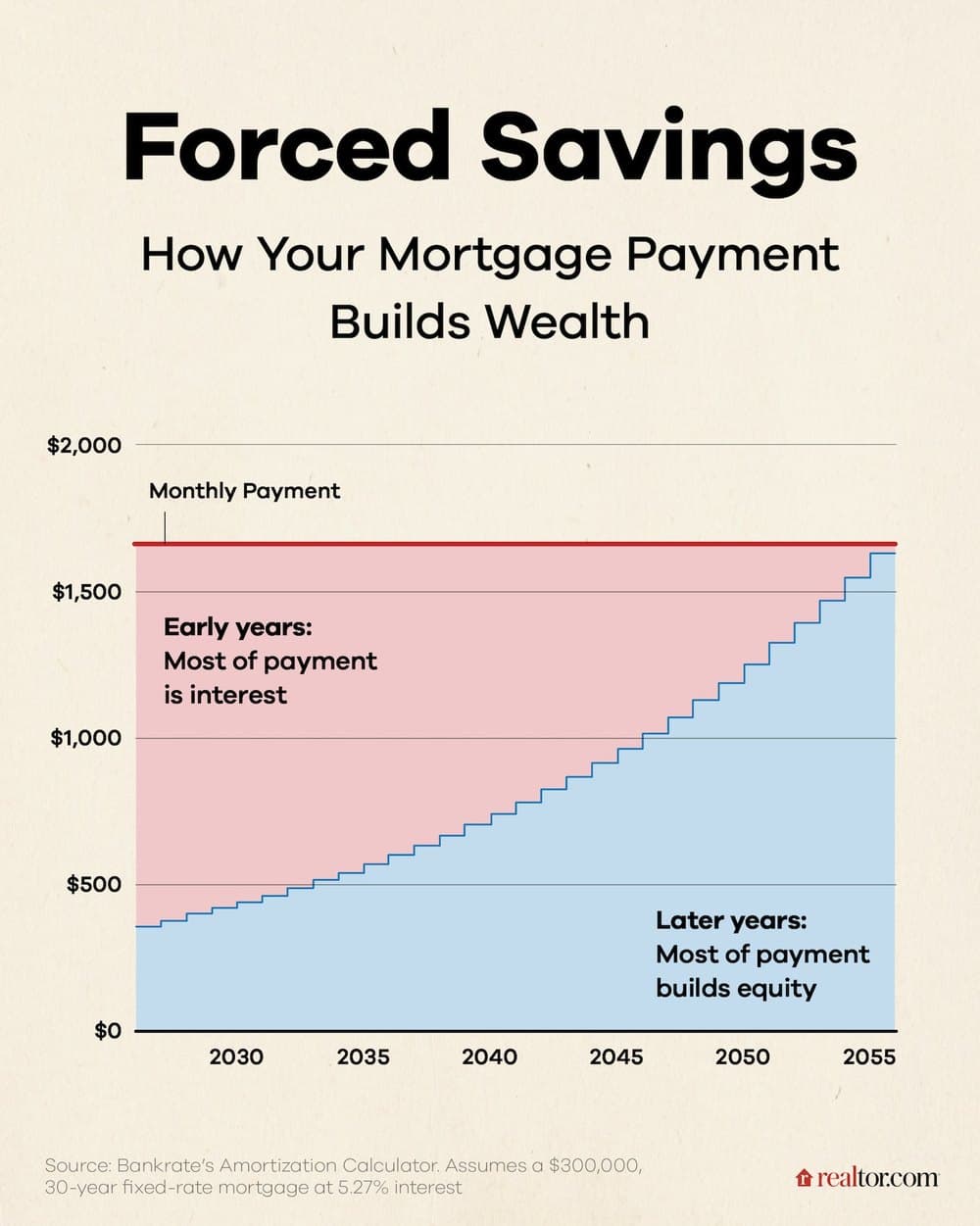
The moment a buyer closes on a home and makes their first mortgage payment, they begin accumulating equity. This process is driven by several forces working simultaneously. Mortgage payments gradually reduce the principal balance owed, increasing the owner's stake in the property. Home price appreciation in a given market also lifts equity passively over time, even without the homeowner lifting a finger.
But sweat equity accelerates this process dramatically. When a homeowner takes on a renovation project — whether it is installing new kitchen cabinets, repainting interior rooms with on-trend colors, refinishing hardwood floors, or landscaping the backyard — the market value of the home typically rises. If the homeowner completes any portion of that work themselves rather than hiring out the entire job, the cost savings go directly into their pocket, widening the gap between what they owe on the home and what it is worth.
Consider a homeowner who spends a weekend repainting the interior of their home at a materials cost of roughly $300. A professional painter might charge $2,000 or more for the same job. That $1,700 in labor savings is effectively money added to the homeowner's net worth — and if the fresh paint also helps increase the home's appraised value or appeal to future buyers, the return on that weekend's effort compounds further.
What Renters Lose When They Improve Their Rental
Most renters who have spent time improving a rental property already know the gut-punch reality: when they move out, those improvements stay behind. New light fixtures, freshly painted accent walls, custom shelving, upgraded bathroom fixtures — all of it typically becomes the property of the landlord the moment a tenant vacates the unit.
But the financial loss goes beyond the materials and labor renters pour into a space they do not own. There is also the opportunity cost to consider. Every dollar a renter spends improving someone else's property is a dollar that could have gone toward a down payment fund, an investment account, or a savings goal that actually builds personal wealth. Unlike a homeowner, the renter sees no return on those improvements. The landlord, on the other hand, may use those very upgrades to justify raising the rent for the next tenant or to increase the property's resale value.
This dynamic creates a compounding wealth gap over time. While homeowners accumulate equity through both market appreciation and personal investment in their properties, renters experience the opposite effect — their improvements actively benefit someone else's balance sheet while doing nothing for their own.
Common Improvements That Build Real Sweat Equity
For homeowners looking to maximize the value of their time and effort, some improvements deliver stronger returns than others. Understanding which projects generate the highest equity gains helps prioritize where sweat equity efforts should be focused.
- Kitchen updates: Cabinet refacing, new hardware, updated backsplashes, and modern countertops consistently rank among the highest-return home improvements. Kitchens are central to buyer decisions, and even modest upgrades can significantly move a home's appraised value.
- Exterior improvements and curb appeal: Landscaping, fresh exterior paint, and updated entryways create the crucial first impression that drives buyer interest. These are often low-cost, high-impact projects that homeowners can tackle themselves.
- Bathroom refreshes: Re-grouting tile, replacing fixtures, updating vanities, and installing new mirrors are accessible DIY projects that give bathrooms a polished, updated feel without requiring a full gut renovation.
- Energy efficiency upgrades: Adding insulation, sealing drafts, and upgrading to energy-efficient windows or appliances not only reduce monthly utility bills but also add to the home's long-term value and appeal.
- Fresh interior paint: Few improvements offer a better return than a fresh coat of paint in the right colors. Research consistently shows that certain paint colors — particularly neutral and nature-inspired tones — can positively influence a home's sale price.
The Bigger Picture: Owning Versus Renting as a Wealth Strategy
The sweat equity gap between homeowners and renters is not just about individual home improvement projects. It reflects a broader structural reality in how wealth is built in the United States. Homeownership remains one of the most reliable pathways to long-term financial stability, largely because real estate tends to appreciate over time and because the act of building equity is essentially forced savings with a tangible asset attached.
Renters, by contrast, are paying for housing without building ownership. While renting offers flexibility and lower short-term financial commitment, it does not generate the kind of compounding wealth that homeownership does — especially when improvements are factored in. A homeowner who diligently upgrades their property over a decade and then sells in a healthy market can walk away with a substantial equity windfall. A long-term renter who spent those same years improving a series of rental units walks away with receipts.
What Renters Can Do to Start Building Toward Homeownership
Understanding the sweat equity gap is not meant to discourage renters — it is meant to motivate them. If homeownership is a goal, every financial decision made during a rental period is an opportunity to move closer to that goal. Redirecting money that might otherwise go toward non-portable rental improvements into a dedicated down payment savings account is one of the most direct steps renters can take.
Additionally, renters can build financial equity in other ways — contributing to retirement accounts, investing in index funds, or paying down high-interest debt — while working toward the point where homeownership becomes accessible. The wealth gap between homeowners and renters is real, but it is not irreversible. The most important step is understanding what is at stake and making deliberate choices accordingly.
Sweat equity is one of the most powerful tools available to homeowners. The sooner a renter becomes an owner, the sooner that tool goes to work building real, lasting wealth.