
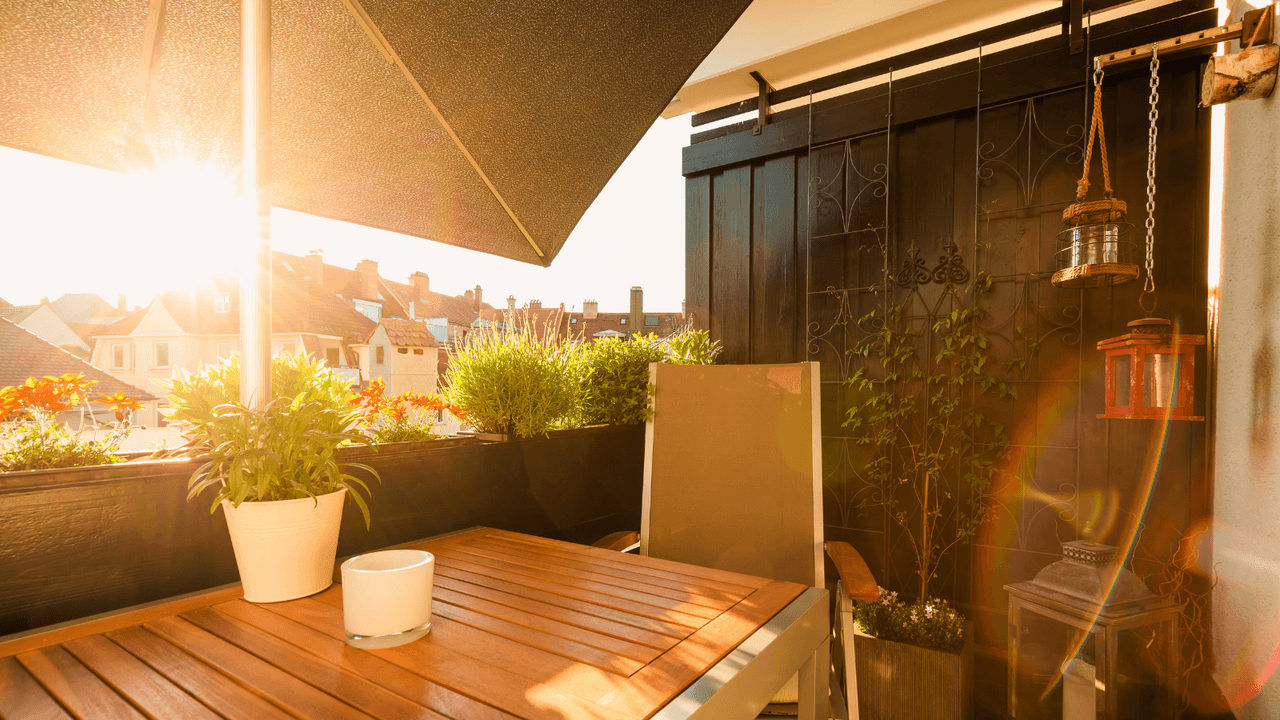
Why Summer Heat Is a Silent Killer for Balcony Plants
When temperatures soar and the sun beats down relentlessly on your balcony, your beloved shrubs and flowers are quietly fighting for their lives. Unlike garden plants that benefit from cooler soil beneath the surface, balcony plants are confined to pots and containers that absorb heat rapidly. The concrete and tile surfaces typical of most balconies can radiate temperatures up to 20°F higher than the actual air temperature, creating a microclimate that few plants can tolerate without intervention.
Heat stress in plants manifests in several recognizable ways: wilting even after watering, leaf scorch with brown or crispy edges, premature flower drop, and stunted growth. If you've noticed any of these warning signs on your balcony plants this summer, you're not alone — and more importantly, you're not powerless. With the right strategies, you can significantly reduce heat stress and help your plants not just survive, but genuinely thrive through the hottest months of the year.
Understanding Heat Stress: What Actually Happens to Your Plants
Before diving into solutions, it helps to understand the science behind heat stress. Plants cool themselves through a process called transpiration — essentially, they "sweat" by releasing water vapor through tiny pores in their leaves called stomata. When temperatures climb too high, transpiration speeds up dramatically, and plants can lose water faster than their roots can absorb it, even in moist soil.
At the same time, extreme heat disrupts the enzymes responsible for photosynthesis, meaning plants can't produce energy efficiently. The cellular membranes of leaves begin to break down, causing visible scorch marks and dieback. For container plants on a balcony, the situation is compounded because the pot itself heats up, essentially cooking the roots and destroying the delicate microbial ecosystem in the soil that plants depend on.
Expert Ways to Cool Your Balcony Plants in Summer
1. Time Your Watering Strategically
One of the single most impactful changes you can make is shifting when you water your plants. Many gardeners water in the morning or afternoon for convenience, but professional horticulturalists consistently recommend early morning watering — ideally before 9 a.m. — as the optimal window. This gives plants a reservoir of moisture to draw from before peak heat hours, while also allowing any excess moisture on foliage to evaporate before it can encourage fungal growth.
Avoid watering in the middle of the day when heat is at its peak. Cold water hitting a scorching-hot pot or soil can cause thermal shock, and water droplets on leaves act like tiny magnifying glasses that can intensify sun damage. Evening watering is acceptable if morning isn't possible, but be aware that wet foliage overnight increases disease risk.
2. Use Shade Cloth or Temporary Covers
Providing physical shade is one of the most effective and immediate solutions for heat-stressed balcony plants. Purpose-designed shade cloth, available in various densities (30%, 50%, or 70% sun reduction), can be draped over or propped above sensitive plants during peak sun hours, typically between 11 a.m. and 4 p.m. This simple intervention can reduce leaf surface temperature by several degrees and cut water loss significantly.
You don't necessarily need to purchase specialist equipment. A lightweight, breathable fabric like muslin or even a strategically positioned outdoor umbrella can provide meaningful relief. The key is ensuring airflow is not entirely blocked, as stagnant hot air around foliage is nearly as damaging as direct sun exposure.
3. Mulch the Top of Your Containers
Mulching isn't just for garden beds. Adding a layer of organic mulch — bark chips, straw, or even decorative pebbles — to the surface of your plant containers serves multiple purposes in summer. It insulates the soil from direct sun, slows moisture evaporation dramatically, and keeps root zone temperatures significantly lower than exposed soil. A mulch layer of just one to two inches can reduce soil temperature by up to 10°F and cut watering frequency by nearly half during hot spells.
4. Move Containers to Cooler Positions
One of the greatest advantages of container gardening is portability, yet many balcony gardeners never take advantage of this flexibility. On extremely hot days, consider relocating the most vulnerable plants — particularly those with delicate flowers or large leaves — to a shadier corner of the balcony, indoors near a bright window, or even beneath a patio table that provides dappled shade. Even a few hours in a cooler position during peak heat can make a meaningful difference in recovery and overall plant health.
5. Mist Your Plants During Heat Waves
Light misting of foliage during early morning can temporarily cool leaf surfaces and raise ambient humidity around your plants, which slows the rate of water loss through transpiration. This is particularly beneficial for tropical species, ferns, and flowering annuals that originate from humid environments. Use a fine-mist sprayer and focus on the undersides of leaves where stomata are concentrated. Avoid heavy misting in full sun, as this can lead to scorch marks from water droplet magnification.
6. Insulate Your Pots
Dark-colored and terracotta pots absorb enormous amounts of heat. If you can't replace your containers, try insulating them by placing smaller pots inside larger ones, with the gap filled with moist sphagnum moss or bubble wrap. Alternatively, wrap pots in hessian fabric, reflective foil material, or even paint them with a light-colored outdoor paint to reflect rather than absorb sunlight. These low-cost modifications can reduce pot surface temperature substantially, protecting roots from the thermal damage that kills plants from the ground up.
Plant Selection Matters: Choose Heat-Resilient Varieties
Preventative planning is always more effective than emergency intervention. If you're choosing new plants for a sun-exposed balcony, prioritize species that are naturally adapted to heat and drought. Lavender, rosemary, sedums, ornamental grasses, portulaca, and zinnias are all excellent choices that combine ornamental appeal with genuine heat tolerance. Succulents and cacti, of course, are purpose-built for hot, dry conditions and require very little intervention during heat waves.
Conversely, if you're committed to growing heat-sensitive plants like hydrangeas, begonias, or impatiens on a hot balcony, be prepared to invest more effort in cooling and hydration strategies throughout summer.
Recognizing Recovery: Signs Your Plants Are Bouncing Back
After implementing cooling strategies, watch for positive signs within 24 to 48 hours. Leaves that were wilting should begin to regain their firmness as the plant rehydrates. New growth emerging at branch tips is a strong indicator of recovery. Flowers that dropped prematurely may not return on the same stems, but healthy new buds forming afterward confirm that the plant has stabilized. If wilting persists despite consistent watering and shade provision, inspect the roots — severely heat-damaged roots may require repotting into fresh, nutrient-rich potting mix.
Final Thoughts: Small Changes, Big Results
Keeping balcony plants cool during summer doesn't require expensive equipment or hours of daily effort. The combination of strategic watering timing, physical shade, container insulation, and smart plant positioning covers the vast majority of heat-stress scenarios most balcony gardeners will encounter. By understanding how heat affects your plants at a physiological level and responding proactively rather than reactively, you give your shrubs and flowers the best possible chance of remaining lush, vibrant, and beautiful from the first heat wave of summer all the way through to autumn.