
A New Digital Tool Is Changing How Independent Landlords Manage Compliance
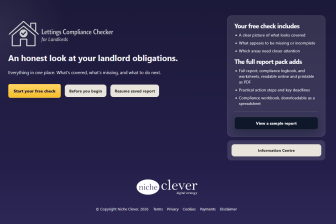
Managing a rental property has never been a simple affair. Between tenancy agreements, safety certificates, deposit protection schemes, right to rent checks, and an ever-evolving landscape of housing legislation, independent landlords face a significant administrative burden — often without the dedicated support teams that larger letting agents and property management companies can call upon. That pressure has now prompted the launch of a new lettings compliance checker: a digital tool purpose-built to help independent landlords get a clear, practical picture of where they stand legally and operationally.
This development arrives at a pivotal moment for the private rented sector. With regulatory scrutiny intensifying and tenants becoming increasingly aware of their rights, the cost of non-compliance — both financial and reputational — has never been higher. The new tool aims to level the playing field by giving smaller landlords access to the kind of structured compliance review that was previously the preserve of professional property managers.
What Is the Lettings Compliance Checker?
At its core, the lettings compliance checker is a digital self-assessment tool that walks landlords through their key legal and administrative obligations. Rather than presenting a generic checklist, it is designed to be interactive and responsive, helping users identify specific gaps in their documentation and records before those gaps become costly problems.
The tool covers a broad spectrum of compliance areas that independent landlords must navigate, including tenancy paperwork, safety certification, deposit handling, and property licensing requirements. Once a landlord has worked through the relevant sections, the checker generates a compliance snapshot — a clear, readable summary of their current position that highlights outstanding actions and areas of potential risk.
Crucially, this snapshot is described as practical rather than purely informational. It is designed to be something a landlord can act on immediately, prioritising the steps that matter most and presenting them in plain language rather than dense legal terminology.
Why Independent Landlords Need This Kind of Support
The private rented sector in the UK is home to a large number of what might be called accidental or reluctant landlords — people who have inherited a property, moved abroad, or chosen to retain a former home rather than sell it. Many of these individuals manage just one or two properties and do not consider themselves property professionals. Yet the law treats them with exactly the same expectations as a large-scale portfolio landlord or a corporate letting agent.
This mismatch between expectation and experience creates real vulnerability. A landlord who genuinely does not know that they are required to provide a copy of the government's How to Rent guide at the start of every tenancy, or who has allowed a gas safety certificate to lapse, is not protected by ignorance. The consequences can include financial penalties, difficulty serving valid notices, or even prosecution in serious cases.
The new compliance checker addresses this vulnerability directly. By prompting landlords to review their records systematically and identifying where evidence is missing or out of date, it functions as an early warning system — catching potential issues while there is still time to resolve them without consequence.
Key Areas Covered by the Compliance Checker
While the exact scope of the tool continues to develop, the compliance checker is designed to address the most common and consequential areas of lettings law. These typically include:
- Tenancy documentation: Ensuring landlords have signed tenancy agreements in place, along with all prescribed information that must be provided to tenants at the outset of a tenancy.
- Deposit protection: Confirming that any tenancy deposit has been registered with an approved government scheme and that the relevant prescribed information has been served on the tenant within the required timeframe.
- Safety certificates: Reviewing the currency of gas safety records, electrical installation condition reports (EICRs), and smoke and carbon monoxide alarm compliance.
- Energy performance: Checking that a valid Energy Performance Certificate is in place and meets the minimum rating required for a lawfully let property.
- Licensing obligations: Prompting landlords to consider whether their property is subject to mandatory, additional, or selective licensing requirements in their local authority area.
- Right to rent checks: Reminding landlords of their obligation to verify the immigration status of prospective tenants before granting a tenancy.
How the Compliance Snapshot Works in Practice
The compliance snapshot generated at the end of the process is arguably the most distinctive feature of the tool. Rather than simply presenting a pass or fail result, it provides a structured overview of the landlord's compliance position across each key area, with clear indicators of where action is needed and guidance on what that action should look like.
For landlords who use the tool proactively — before a new tenancy begins or as part of a periodic review of an existing one — the snapshot can serve as a valuable record of due diligence. It demonstrates that a landlord has actively engaged with their obligations and taken steps to address any shortfalls, which could be relevant in the event of a dispute or regulatory investigation.
A Step Towards a More Compliant Private Rented Sector
The launch of this compliance checker reflects a broader recognition within the property industry that education and accessibility are just as important as enforcement when it comes to improving standards in the private rented sector. Many landlords want to do the right thing but lack the knowledge or the resources to navigate a regulatory environment that has grown substantially more complex over the past decade.
Tools like this one will not replace professional legal advice in complex situations, and landlords with unusual circumstances or significant portfolios should still seek expert guidance. However, for the independent landlord managing a small number of properties and trying to stay on top of their responsibilities, a practical, easy-to-use compliance checker could make a meaningful difference — both in reducing the risk of inadvertent non-compliance and in building the kind of confidence that comes from knowing exactly where you stand.
As housing legislation continues to evolve, particularly in light of ongoing reforms to the private rented sector, the value of having reliable, up-to-date compliance support will only grow. The new lettings compliance checker is a timely and welcome addition to the toolkit available to independent landlords across the country.