
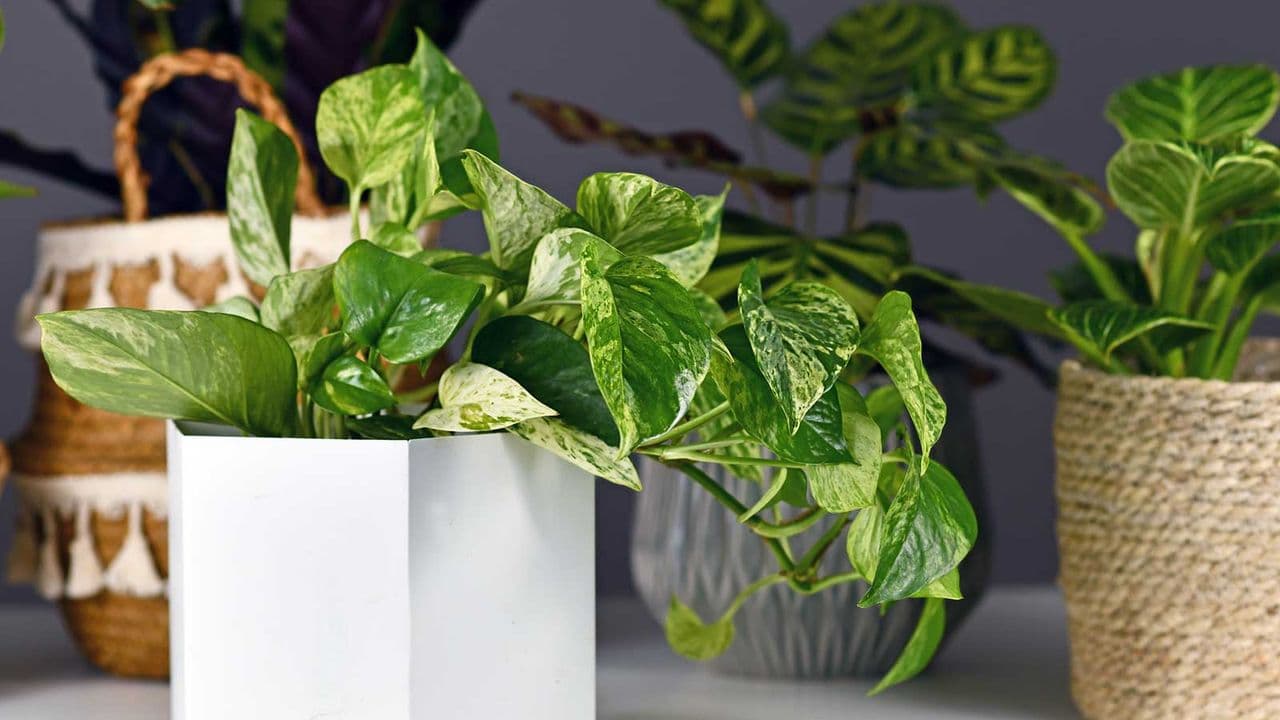
Why June Is a Critical Month for Your Pothos Plant
If you have a pothos plant sitting on a shelf or trailing across a windowsill, June is the moment you've been waiting for all year. As one of the most popular and forgiving houseplants around, pothos (Epipremnum aureum) is capable of explosive growth during the warmer months — but only if you give it the right conditions at the right time. With longer days, increased natural light, and rising temperatures, June creates the perfect environment for your pothos to push out new leaves, extend its vines dramatically, and develop richer, more vibrant color in its foliage.
The problem is that many plant owners treat their pothos the same way in June as they did in January, missing a golden window to encourage truly spectacular growth. This guide covers the three essential tasks you should complete this month to set your pothos up for a summer of lush, thriving vines. Whether you're a seasoned plant parent or just getting started, these steps are straightforward, affordable, and genuinely effective.
Task 1: Refresh the Soil and Consider Repotting
June marks the start of the active growing season for pothos, which means root activity is ramping up quickly. If your plant has been in the same pot for more than a year or two, now is the ideal time to assess whether it needs more room to grow. A rootbound pothos — one where the roots have filled the pot and begun circling the bottom or poking out of drainage holes — will struggle to absorb nutrients efficiently, which directly limits how long and vibrant its vines can become.
To check, gently tip your pot and slide the root ball out. If you see a dense, tightly packed mass of roots with very little soil visible, it's time to size up. Choose a new pot that is one to two inches larger in diameter than the current one. Anything significantly bigger can cause the soil to retain too much moisture, increasing the risk of root rot.
Even if your pothos doesn't need a new pot, refreshing the top layer of soil can make a meaningful difference. Over time, potting mix compacts and loses its nutrient content. Removing the top inch or two of old soil and replacing it with fresh, well-draining potting mix gives the root system access to improved aeration and a small boost of nutrients. This simple refresh, combined with the natural energy of the summer season, can trigger a noticeable burst of new leaf and vine growth within just a few weeks.
Best Soil Mix for Pothos
Pothos thrive in a light, well-draining mix. A combination of standard indoor potting soil with added perlite — roughly two parts soil to one part perlite — provides the drainage and aeration these plants prefer. Avoid heavy garden soils or mixes formulated for moisture retention, as consistently wet roots are the leading cause of pothos decline.
Task 2: Start a Consistent Fertilizing Routine
Pothos are not heavy feeders, but during the active growing months of June through September they benefit significantly from regular, balanced nutrition. If you haven't fertilized your plant since last fall or winter, the soil is likely depleted of the key nutrients — nitrogen, phosphorus, and potassium — that fuel leaf development and vine elongation. Introducing a simple fertilizing routine this month can make the difference between a plant that creeps along slowly and one that produces several new leaves per week.
A balanced, water-soluble fertilizer with an NPK ratio such as 10-10-10 or 20-20-20 works well for pothos. Dilute it to half the recommended strength to avoid over-fertilizing, which can cause leaf burn and chemical buildup in the soil. Apply it once every two to three weeks throughout the growing season, always watering the soil slightly before feeding to reduce the risk of root irritation from concentrated nutrients.
Signs Your Pothos Is Nutrient-Deficient
- Pale or yellowing leaves that aren't related to overwatering
- Very slow vine growth despite adequate light and water
- New leaves emerging noticeably smaller than older growth
- Dull, lackluster coloration in variegated varieties like golden or marble queen pothos
If you notice any of these signs, begin your fertilizing routine promptly. Most pothos will respond visibly within two to four weeks of regular feeding.
Task 3: Prune Strategically to Encourage Fuller, Longer Vines
It may seem counterintuitive, but cutting your pothos back in June is one of the best things you can do for long-term vine growth. Strategic pruning removes leggy, sparse sections of vine, redirects the plant's energy toward producing new, healthy growth, and encourages branching — the process by which a single vine splits into multiple shoots, making the plant appear much fuller and more lush over time.
Use clean, sharp scissors or pruning shears and cut just below a leaf node — the small bump on the stem where a leaf meets the vine. You can prune any sections that look sparse, yellowed, or overly long without new leaf development. For vines that are growing well, a light trim to remove older or damaged leaves at the base of each vine is usually sufficient.
What to Do With Your Cuttings
Don't throw those healthy cuttings away. Pothos propagate extraordinarily easily in water or directly in moist soil. Place a cutting with at least two nodes into a glass of clean water and set it in a bright spot out of direct sun. Roots will typically appear within one to three weeks. This is a great way to fill out a hanging basket with your existing plant or to grow new plants to share.
Bonus Tips for June Pothos Success
Beyond these three core tasks, a few additional adjustments can further boost your pothos during June. First, reassess its light placement. As the sun tracks higher in the sky during summer, spots that once offered gentle indirect light may now receive harsh afternoon rays that can scorch the leaves. Bright, indirect light is ideal — near a north or east-facing window is often perfect. Second, adjust your watering cadence slightly. Warmer temperatures mean the soil will dry out faster than it did in winter, so check the top inch of soil every few days rather than on a fixed weekly schedule. Water thoroughly when the top inch feels dry, and always ensure the pot drains freely.
Finally, give your pothos something to climb if you want to maximize the size and vibrancy of its leaves. In their natural environment, pothos climb trees and can develop truly enormous leaves. Even a simple moss pole or wooden stake gives the aerial roots something to grip, triggering larger leaf production and noticeably more robust growth.
Give Your Pothos the June Attention It Deserves
These three tasks — refreshing or repotting the soil, starting a consistent fertilizing routine, and pruning strategically — take no more than an afternoon and require minimal investment. Yet their impact on your pothos through the rest of summer and into fall can be profound. Plants that receive attentive June care consistently reward their owners with longer, thicker vines, brighter leaf coloration, and a vitality that makes them the centerpiece of any room. Don't let the growing season slip by. Give your pothos what it needs this month, and it will more than return the favor.