
Why Online Home Listings Don't Always Tell the Full Story
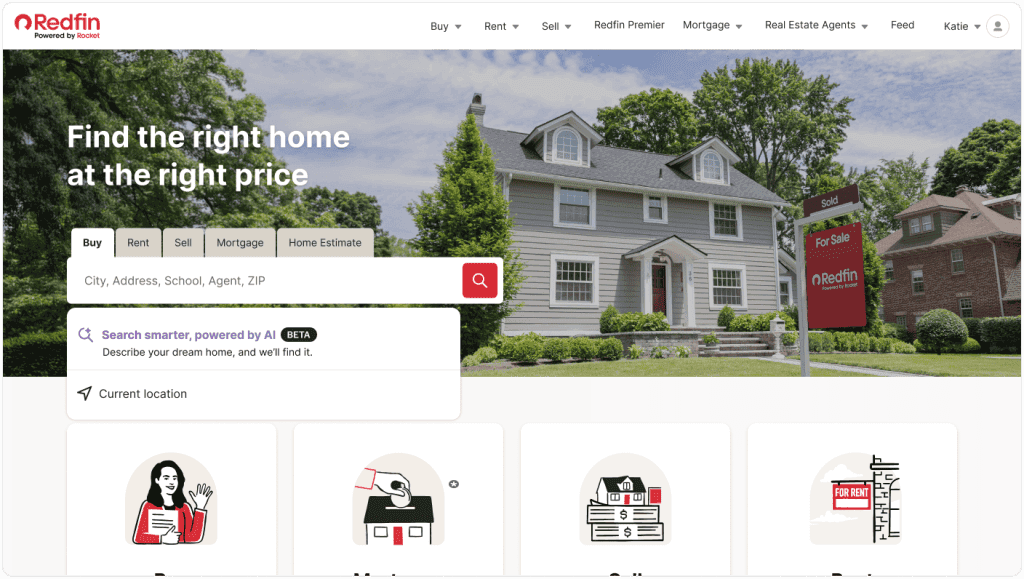
Scrolling through online home listings has become one of the very first steps in the modern homebuying journey. Platforms like Redfin, Zillow, and Realtor.com make it easy to browse hundreds of properties from the comfort of your couch, filtering by price, square footage, and neighborhood. But while those polished listing photos and carefully crafted descriptions are designed to attract attention, they're not always designed to inform you completely.
The reality is that some listings are strategically written and photographed to downplay problems or obscure details that a savvy buyer would want to know upfront. Whether you're searching for a condo in Miami or a house in Seattle, knowing how to read between the lines of an online listing can save you thousands of dollars and a significant amount of stress. This guide breaks down the most common red flags hidden in online home listings and what you should watch for before scheduling a tour or making an offer.
Listing Photos That Raise More Questions Than Answers
Photos are one of the first things buyers notice in an online listing, and they can reveal just as much by what they don't show as by what they do. A well-prepared seller will typically photograph every room of the home. If a listing is conspicuously missing photos of certain areas — such as the basement, bathrooms, garage, or backyard — that omission is worth noting.
Beyond missing rooms, pay close attention to the following visual cues:
- Unusual angles or wide-angle lens distortion: Photographers sometimes use extremely wide lenses to make small rooms appear significantly larger than they actually are. If a room looks oddly stretched or the furniture appears unusually small, the space may be more cramped in person.
- Strategic staging that blocks walls or floors: Large rugs, furniture pushed against walls, or carefully placed décor can conceal water stains, cracks, or damaged flooring. Look for anything that seems positioned to block your view rather than enhance it.
- Dated or dark photos: Dim lighting, low image resolution, or obviously old photos can signal that the seller is not motivated to present the home honestly or that the property hasn't been updated in years.
- Visible damage hiding in plain sight: Water stains on ceilings, peeling paint, cracked tiles, or warped floors are sometimes visible even in listing photos. Zoom in carefully before dismissing these details.
Red Flags in the Listing Description
The written description of a home is another area where subtle warning signs can appear. Real estate agents and sellers often use specific language that sounds positive but actually signals potential issues to an informed buyer.
- "Sold as-is": This phrase is one of the clearest red flags in any listing. It typically means the seller is unwilling to make repairs or negotiate credits, which often indicates they are aware of problems they don't want to fix.
- "Charming fixer-upper" or "has good bones": These are common euphemisms for a property that needs substantial work. While fixer-uppers can be great opportunities for the right buyer, you should budget carefully and get a thorough inspection before committing.
- "Cozy" or "quaint": These words almost always mean the home is small. While not inherently a problem, it's important to verify actual square footage and room dimensions rather than relying on descriptive language.
- Vague or incomplete disclosures: Pay attention to what the description leaves out. If there's no mention of the roof age, HVAC system, or recent renovations in an older home, those could be areas of concern worth investigating.
- Overuse of superlatives: Descriptions loaded with phrases like "rare opportunity," "won't last long," or "priced to sell" without substantive detail about the property's features can sometimes indicate pressure tactics or a listing that has failed to attract serious buyers.
Listing History and Price Reductions
Before contacting a listing agent, take time to review the home's listing history if it's available on the platform. A property that has been listed, withdrawn, and relisted multiple times — sometimes called a "zombie listing" — may have structural issues, title complications, or a seller who is difficult to work with. Similarly, a home that has seen multiple price reductions over a short period warrants a closer look. While price drops sometimes reflect a shifting market, they can also indicate that buyers who toured the property in person discovered something concerning enough to walk away.
Also consider how long the property has been on the market. Homes that sit significantly longer than the average days-on-market for their neighborhood and price range often have an underlying reason. It may be pricing, condition, location, or a combination of factors — all worth investigating before you invest time and money in a formal offer.
What to Do When You Spot a Red Flag
Identifying a red flag in an online listing doesn't automatically mean you should cross the property off your list. Some issues are cosmetic and inexpensive to fix. Others are structural and could cost tens of thousands of dollars. The key is to gather more information before making any decisions.
- Request a full disclosure statement from the seller before scheduling a tour.
- Ask your buyer's agent to pull the complete listing history, including any prior price changes or expired listings.
- Hire a qualified home inspector who will assess the property independently and objectively.
- Research the neighborhood for flood zones, zoning issues, or planned development that could affect the home's value.
Shop Smarter, Not Just Faster
The convenience of online home listings has made it easier than ever to search for properties, but speed and convenience can work against buyers who aren't looking carefully. Polished photos, vague descriptions, and strategic omissions are part of the reality of real estate marketing. By slowing down and scrutinizing each listing with a critical eye, you give yourself a meaningful advantage in one of the most significant financial decisions of your life. Spotting red flags early means fewer surprises after the contract is signed — and a much smoother path to finding a home you'll feel confident about for years to come.