
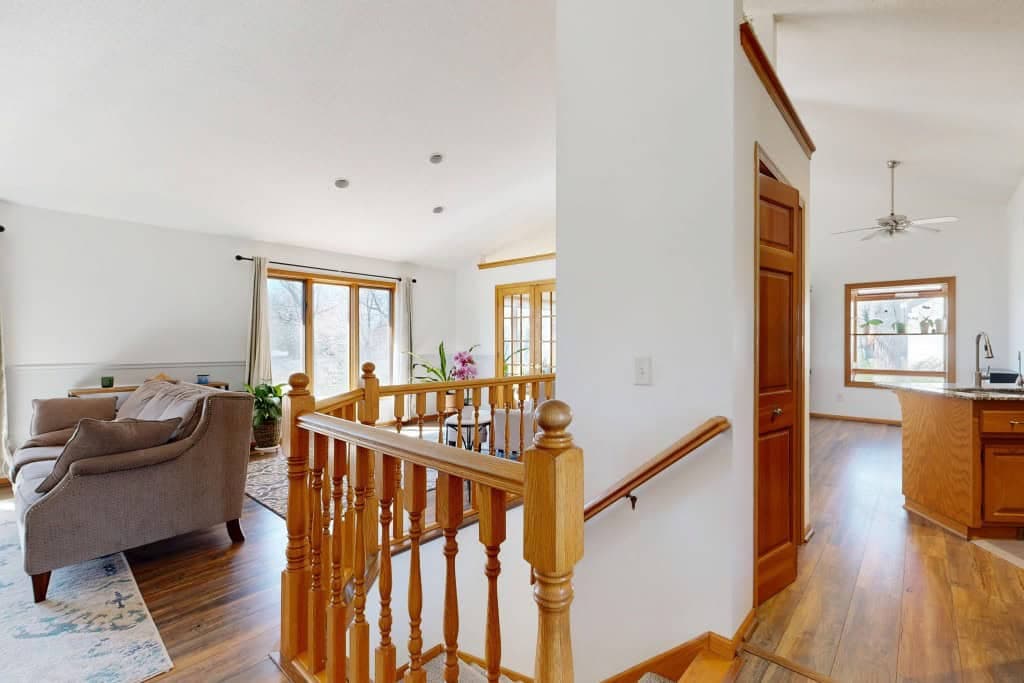
Why Home Listing Photos Deserve a Closer Look
Online listings are often the very first step in the homebuying process, and photographs can shape a buyer's impression within mere seconds. While professional photography does an excellent job of highlighting a home's best features — beautiful natural light, spacious rooms, and polished finishes — it can also inadvertently reveal important details about a property's true condition, layout, and upkeep. The camera doesn't always lie, but it can be strategically framed to tell only part of the story.
Knowing what to look for when viewing house photos can help you spot potential concerns before you ever schedule a showing, saving you time, energy, and potentially thousands of dollars down the road. From conspicuously missing rooms to heavily edited images that obscure structural issues, listing photos often tell a far larger story than sellers intend. Here's what savvy buyers should be watching for.
1. Missing or Absent Rooms
One of the most telling red flags in home listing photos is the absence of certain rooms altogether. If a three-bedroom home only shows photos of two bedrooms, ask yourself why. Sellers and their agents typically want to showcase every livable space. When a bathroom, basement, second bedroom, or garage is conspicuously missing from the photo gallery, it may indicate that space is in poor condition, undergoing repairs, or simply not presentable enough to photograph.
Always compare the number of photos provided against the number of rooms listed in the property description. If things don't add up, make a point of asking your real estate agent to request additional images or information before committing to a visit.
2. Strategic Furniture Placement and Unusual Angles
Professional photographers know exactly how to make a room look larger, brighter, and more inviting than it may actually be. However, when furniture is placed in oddly specific or seemingly random positions — blocking a corner, pushed against a wall segment, or positioned in front of a baseboard — it can be a subtle but meaningful warning sign.
Sellers sometimes use furniture, rugs, or decorative elements to conceal damaged flooring, water stains, cracks in the wall, or other cosmetic and structural defects. Pay close attention to photos where large items appear to serve no logical decorative purpose, as these could be deliberately covering something the seller would prefer you not see.
3. Water Stains, Discoloration, and Ceiling Damage
Even in carefully edited listing photos, water damage can be surprisingly difficult to hide. Look closely at ceilings and upper wall areas for any yellowing, brownish rings, or discoloration. These marks are classic indicators of past or ongoing roof leaks, plumbing problems, or moisture intrusion — all of which can be expensive to remediate.
Similarly, bubbling or peeling paint on walls or ceilings, warped wood floors, or rippling surfaces visible in photos may suggest water damage beneath the surface. Don't dismiss these details as minor cosmetic issues; they can signal deeper problems that a home inspection will need to thoroughly evaluate.
4. Overly Edited or Digitally Enhanced Images
Real estate photography editing has become increasingly sophisticated, and while some degree of brightness and color correction is standard practice, heavily manipulated images can cross into misleading territory. Watch out for photos where the sky outside windows looks unrealistically vibrant, where shadows appear artificially removed, or where the proportions of a room seem somehow off.
Wide-angle lenses are commonly used in listing photography and can make rooms appear significantly larger than they are in person. If a kitchen or living room looks impressively spacious in photos but the square footage listed seems modest, trust the numbers over the imagery. Bringing a tape measure to your showing is never a bad idea.
5. Exterior and Curb Appeal Warning Signs
The exterior shots of a home can reveal just as much as the interior ones, if not more. Examine rooflines carefully for sagging, missing shingles, or uneven surfaces. Look at gutters for visible damage or separation from the fascia. Check the condition of siding, paint, and the foundation visible at ground level — cracks, crumbling mortar, or significant settling can be indicators of structural concerns.
Also pay attention to the landscaping and surrounding environment. Overgrown vegetation pressed against the home's exterior can trap moisture and cause long-term damage. Standing water visible in the yard, even in a single photo, may hint at drainage issues that could affect the foundation over time.
6. Dehumidifiers, Fans, or Industrial Equipment in Photos
This is one of the most overlooked — and most telling — red flags buyers can spot in listing photos. If you notice a dehumidifier sitting in a corner of the basement, industrial fans positioned throughout rooms, or moisture-absorbing equipment that appears to have been left behind, take it as a serious warning sign. These items are frequently used during or after remediation of mold, flooding, or severe moisture problems, and their presence in listing photos suggests the seller may not have fully addressed the underlying issue.
What to Do When You Spot Red Flags
Noticing potential warning signs in listing photos doesn't necessarily mean you should write off a property entirely. Many issues are repairable, and spotting them early gives you negotiating power. Here's what to do next:
- Ask your agent to request additional photos of the areas in question directly from the listing agent.
- Research the property's history, including any past permits for repairs, water damage disclosures, or insurance claims.
- If you proceed to a showing, bring a flashlight and pay special attention to areas you noticed in the photos.
- Always hire a qualified, independent home inspector before closing — no matter how clean the photos look.
- Consider hiring a specialist, such as a structural engineer or mold inspector, if you have specific concerns.
The Bottom Line
Learning how to read home listing photos critically is one of the most valuable skills a homebuyer can develop. The real estate market moves quickly, and it can be tempting to get swept up in beautiful staging and clever photography. But taking a few extra minutes to examine each photo carefully — looking for missing rooms, suspicious furniture placement, signs of water damage, and other subtle cues — can protect you from costly surprises after closing.
Great listing photos should build your confidence in a property, not raise more questions than they answer. When something feels off, trust your instincts, do your due diligence, and lean on the expertise of a trusted real estate professional to guide you through the process.