
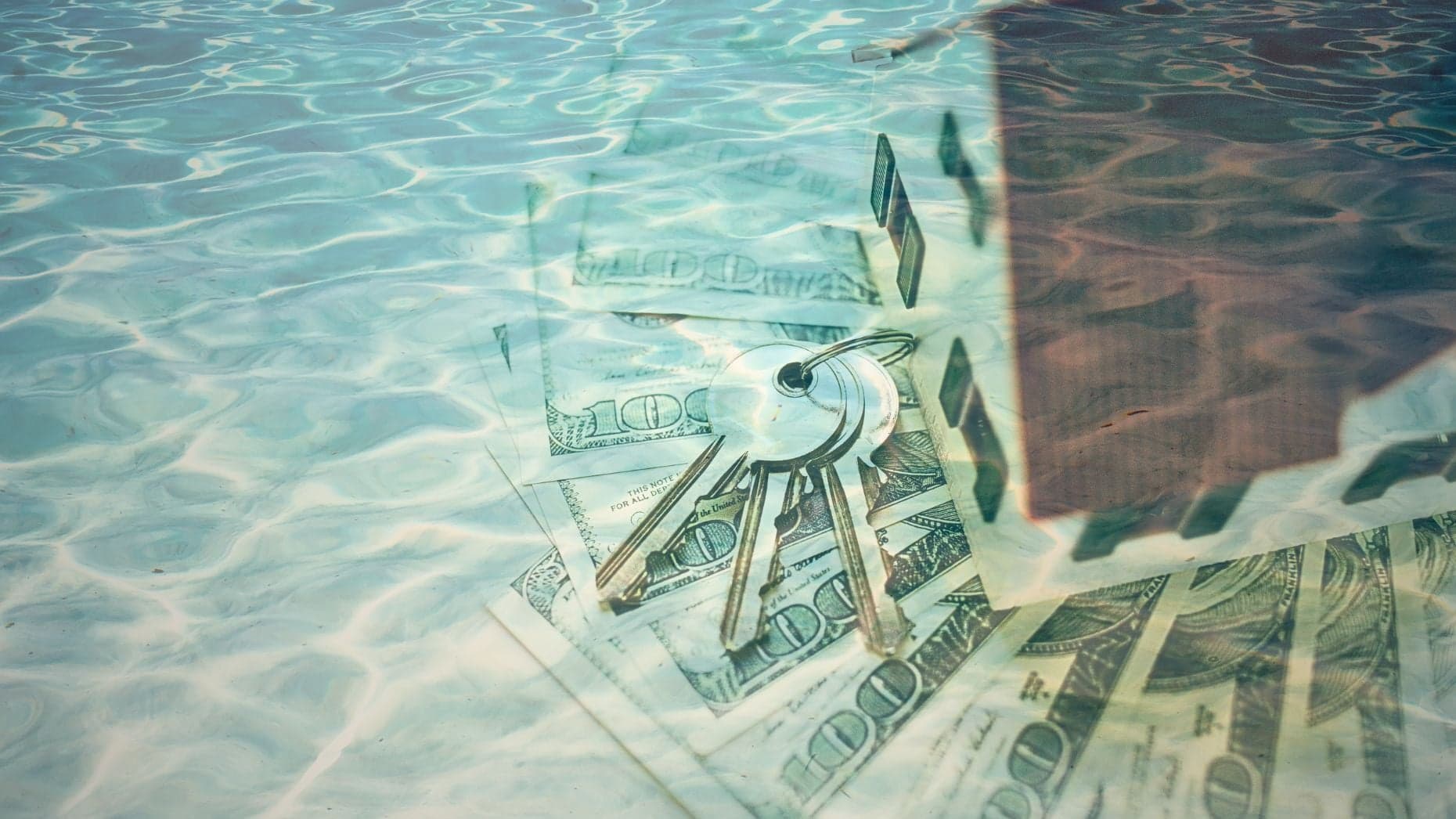
The American Dream Is Getting More Expensive — And the Numbers Prove It
Owning a home has long been considered a cornerstone of financial stability and the American Dream. But in 2026, that dream is becoming increasingly difficult to reach for millions of working Americans. According to a new study, the median-priced home consumed a staggering 30.3 percent of the typical American worker's annual wages in the first quarter of 2026. That single statistic tells a story that stretches coast to coast — one of affordability crises, underwater mortgages, and housing markets that are shakier than they appear on the surface.
Whether you are a first-time buyer trying to enter the market or a homeowner wondering if your property is still worth what you paid for it, understanding which housing markets are most vulnerable right now has never been more important.
What Does "Unaffordable" Actually Mean in Today's Market?
Housing affordability is typically measured by the percentage of income a household must dedicate to housing costs. Financial experts and lenders have long used the 28-to-30 percent threshold as the upper boundary of what is considered manageable. The moment that percentage climbs above 30 percent, households begin making painful trade-offs — cutting back on savings, healthcare, education, and everyday expenses just to keep a roof over their heads.
The fact that the national median has now crossed that threshold is not just a warning sign — it is a signal that the affordability crisis is no longer confined to expensive coastal cities like San Francisco or New York. It has spread into mid-sized metros, Sun Belt suburbs, and even markets that were once celebrated as affordable refuges from high-cost urban centers.
The Shakiest Housing Markets: What Makes a Market Vulnerable?
Not all housing markets face the same level of risk. Researchers and economists look at a combination of factors when determining which markets are most financially fragile. Understanding these indicators can help buyers, sellers, and investors make smarter decisions before committing to one of the largest financial transactions of their lives.
High Affordability Burden
Markets where housing costs consume well above 30 percent of local wages are considered high-risk. In these areas, even modest increases in mortgage rates or declines in employment can trigger a cascade of financial distress for homeowners and renters alike. When too large a share of income goes toward housing, there is little financial cushion left to absorb economic shocks.
Underwater Mortgages
A home is considered "underwater" when the outstanding mortgage balance exceeds the current market value of the property. Homeowners in this position cannot sell without taking a loss and are at elevated risk of foreclosure if their financial situation deteriorates. Markets with high concentrations of underwater mortgages are particularly fragile because a wave of forced sales can further depress property values, creating a destructive feedback loop.
Slowing Price Growth and Inventory Build-Up
Markets that saw explosive price appreciation during the pandemic-era buying frenzy are now experiencing corrections. When home values stagnate or decline in markets where buyers stretched their budgets to the absolute limit, the risk of negative equity rises sharply. At the same time, rising inventory levels — a sign that homes are sitting on the market longer — suggest that demand is softening, which puts additional downward pressure on prices.
Local Economic Dependence
Housing markets in cities or regions heavily dependent on a single industry or employer are especially vulnerable. When layoffs hit a company-town economy, the ripple effects on local real estate can be severe and swift. Job losses reduce demand for housing, increase foreclosures, and can cause property values to crater faster than in more economically diversified metros.
Who Feels the Pressure Most?
The affordability burden does not fall equally across all demographics. Younger buyers, lower-income workers, and first-generation homeowners are disproportionately affected by the squeeze between stagnant wages and elevated home prices. Many millennials and Gen Z buyers who entered the market at peak prices in 2021 and 2022 are now sitting on thin or negative equity, particularly in markets that have since corrected.
Renters are not shielded from these pressures either. As aspiring homeowners are locked out of the purchase market, rental demand remains elevated, keeping rents high in many cities even as for-sale inventory begins to build. The result is a two-sided trap — too expensive to buy, too costly to keep renting.
What Homebuyers and Homeowners Should Do Right Now
If you live in or are considering purchasing in one of the country's shakier housing markets, there are proactive steps you can take to protect your financial position.
- Run the affordability numbers honestly. Before purchasing, calculate your total housing costs — including mortgage, taxes, insurance, and maintenance — against your actual take-home pay, not just your gross income. Stay well below the 30 percent threshold if possible.
- Research local market trends carefully. Look at days-on-market trends, price cut frequency, and inventory levels in your target area. These are early warning indicators of a softening market.
- Build an emergency fund before buying. In volatile markets, having three to six months of expenses in liquid savings can be the difference between weathering a financial storm and falling into foreclosure.
- Consider long-term employment stability. Assess not just your current income but the stability of your industry and employer before committing to a large mortgage in a high-risk market.
- Consult a HUD-approved housing counselor. If you are already struggling with mortgage payments, free and low-cost counseling services can help you explore options before the situation becomes unmanageable.
The Bigger Picture: A Housing Market at a Crossroads
The finding that median-priced homes now consume more than 30 percent of the typical American worker's annual wages is more than a data point — it is a structural warning about the sustainability of the current housing landscape. When housing costs outpace wage growth for an extended period, the consequences ripple outward through the broader economy, affecting consumer spending, household formation rates, and long-term wealth building for working families.
Policymakers, developers, lenders, and local governments all have roles to play in addressing the underlying supply and affordability gaps that have created this situation. But for individual homebuyers, homeowners, and renters navigating these conditions today, awareness is the first and most essential tool. Understanding which housing markets are shakiest — and why — puts you in a far stronger position to protect your financial future regardless of where the broader market moves next.