
Surfside Condo Collapse Traced to Decades-Old Design and Construction Failures
On June 24, 2021, residents of Surfside, Florida, were jolted awake in the early morning hours as a large portion of the Champlain Towers South condominium crumbled to the ground. The catastrophic event claimed 98 lives and sent shockwaves throughout the country, raising urgent questions about the safety of aging residential buildings across the United States. Now, after years of rigorous investigation, the National Institute of Standards and Technology (NIST) has released its technical findings — and the conclusions paint a troubling picture of how structural failures quietly set the stage for tragedy long before anyone saw it coming.
What NIST Found: Decades of Flaws Before the Final Collapse
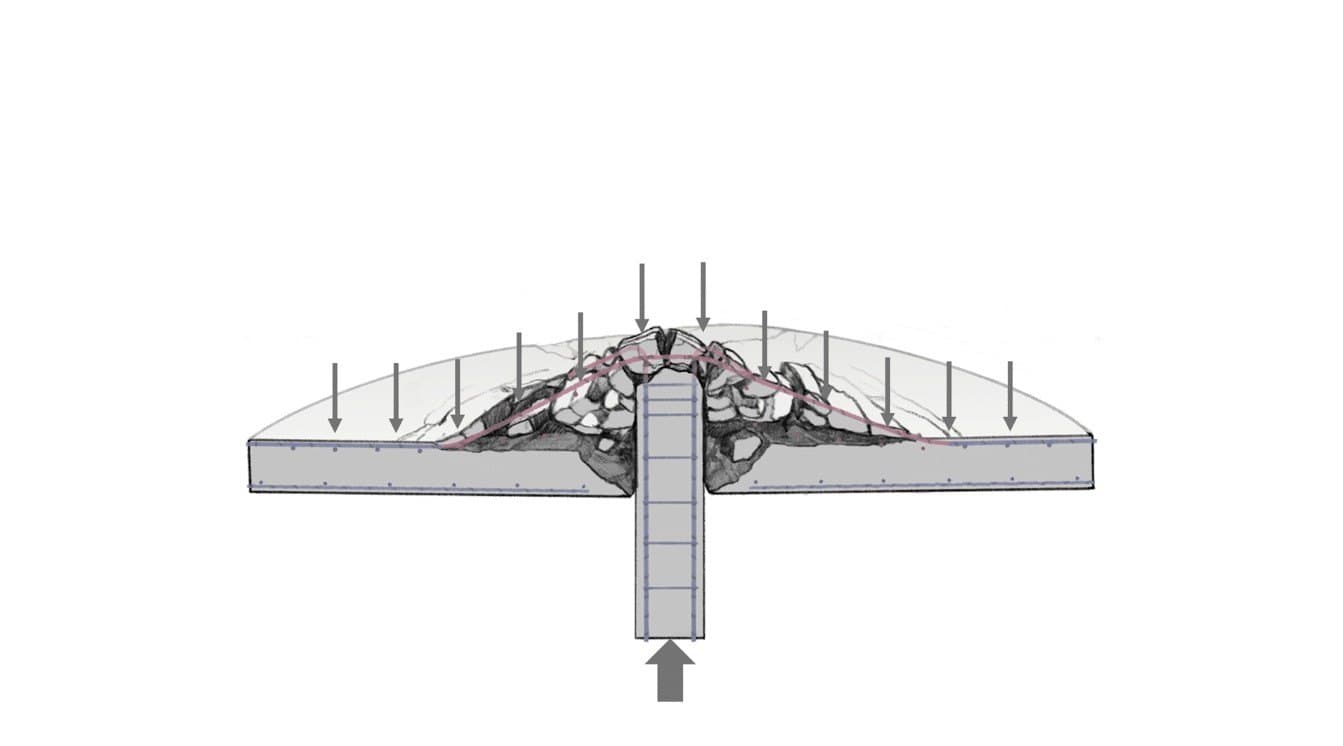
According to the federal probe conducted by NIST, the root causes of the Champlain Towers South collapse were not sudden or unpredictable. Rather, investigators determined that severe design and construction flaws dating all the way back to 1981 — the year the building was originally constructed — were the underlying culprits. These were not minor oversights. They were fundamental deficiencies that compromised the structural integrity of the building from nearly the moment it was built.
Even more alarming, NIST investigators found that the progressive structural failures did not begin on the night the building fell. The collapse process actually started in early June 2021, approximately three weeks before the final catastrophic event on June 24. During those weeks, years of accumulated corrosion and unresolved construction defects were silently pushing the building past its limits — well beyond what most residents, or even building managers, would have been aware of.
The Role of Corrosion and Structural Margins
One of the most critical concepts highlighted by NIST in its findings is the idea of structural safety margins. When buildings are designed and constructed in compliance with required codes and standards, they are engineered to support significantly more load than they would typically bear under normal circumstances. These margins exist precisely to account for unforeseen stresses, material degradation over time, and other variables that can affect a building's performance throughout its lifespan.
Judith Mitrani-Reiser, co-lead of the NIST investigation, explained that when those margins are eroded — whether through poor original design, shoddy construction practices, or long-term environmental deterioration — a building becomes dangerously vulnerable. In the case of Champlain Towers South, those margins were compromised from the start, and decades of exposure to the coastal Florida environment, with its salt air and moisture, accelerated the corrosion of critical structural components.
The building's location near the ocean was not itself the cause of failure, but it significantly worsened the effects of the original flaws. Saltwater-laden air is notoriously corrosive to reinforced concrete structures, attacking the steel rebar embedded within the concrete. When that rebar corrodes, it expands, causing the surrounding concrete to crack and spall — a process that, left unaddressed over many years, can dramatically weaken a structure's load-bearing capacity.
One of the Worst Structural Failures in U.S. History
With 98 fatalities, the Champlain Towers South collapse stands as one of the deadliest structural failures in the history of the United States. The human toll was devastating — families lost loved ones in the middle of the night, and the broader Surfside community was left grappling with grief, trauma, and profound questions about the oversight systems meant to keep residents safe.
The disaster also triggered a nationwide conversation about the state of aging condominium and apartment buildings, particularly in coastal regions where environmental conditions accelerate structural wear. Legislators, building inspectors, and real estate professionals across the country were forced to confront uncomfortable realities about deferred maintenance, inadequate inspection regimes, and the long-term consequences of cutting corners during construction.
Implications for Building Safety and Condo Inspections
The NIST findings carry significant implications for how residential buildings — particularly older condominiums — are inspected, maintained, and regulated going forward. Several key takeaways have already begun reshaping policy discussions at the state and local level:
- Mandatory structural inspections: In the wake of the Surfside collapse, Florida passed legislation requiring milestone inspections for older residential buildings, particularly those in coastal areas. The NIST report reinforces the urgency of such requirements and may prompt other states to follow suit.
- Transparency for condo buyers: Prospective buyers of condominium units now face a more complex due diligence landscape. Understanding a building's inspection history, reserve funds, and any outstanding structural concerns has become more important than ever before.
- Accountability in construction: The revelation that flaws dating back to 1981 contributed to the collapse highlights the need for stronger accountability mechanisms during the original design and construction phases of residential buildings.
- Proactive maintenance culture: Building associations and property managers are being urged to move away from reactive maintenance approaches and adopt proactive, long-term strategies that address structural concerns before they become crises.
What Happened to the Surfside Site?
In the years since the tragedy, the site where Champlain Towers South once stood has been slated for redevelopment. Plans for an ultra-luxury residential development have been announced, with apartments starting at $15 million — a striking contrast to the circumstances that led to the original building's demise. For many survivors and family members of victims, the redevelopment has been a complicated and emotionally charged issue, mixing questions of remembrance and justice with the realities of South Florida's booming real estate market.
A Turning Point for Structural Safety in America
The NIST investigation into the Champlain Towers South collapse is more than a post-mortem of a single building. It is a clarion call for systemic reform in how the United States designs, builds, inspects, and maintains its residential structures. The findings make clear that the failures were not inevitable — they were the product of specific decisions and oversights that, if addressed differently at any number of points over four decades, might have prevented the loss of 98 lives.
For current and prospective condo owners, real estate professionals, and policymakers alike, the lessons of Surfside must not be forgotten. Building safety is not an abstract concern reserved for engineers — it is a matter of life and death, and one that demands ongoing vigilance, investment, and accountability at every level of the industry.