
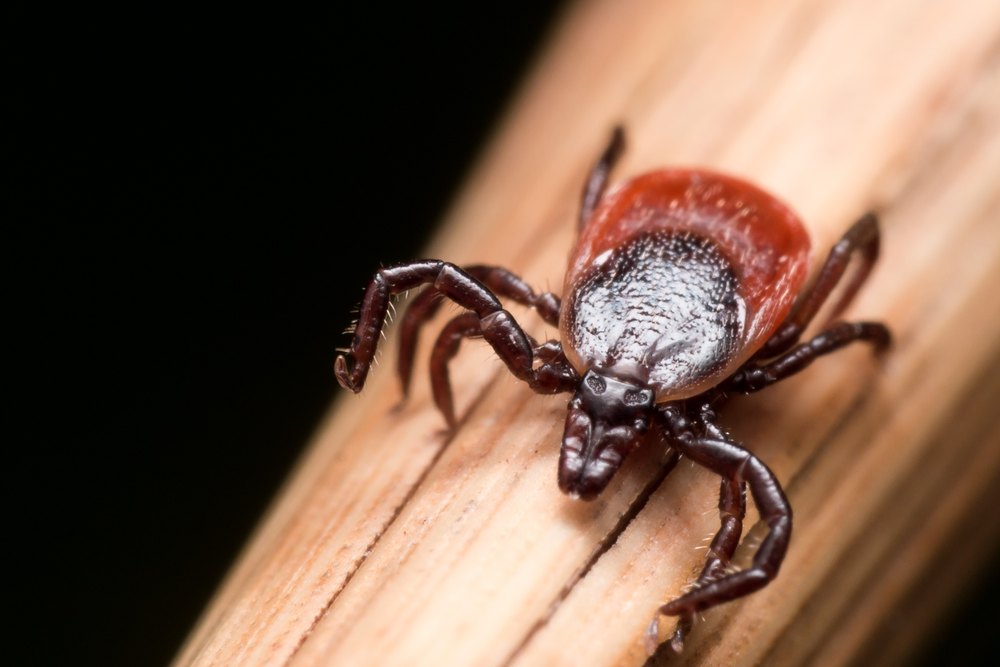
Tick Season 2026 Is Here — And It's Worse Than Usual
If you're a homeowner living in the Northeast, Upper Midwest, Middle Atlantic, Ohio River Valley, or even the South, there's something crawling through your yard that deserves your full attention this season. Tick populations are surging across major regions of the United States in 2026, and the health consequences are very real. According to the Centers for Disease Control and Prevention Bite Tracker, 71 per 100,000 emergency room visits in April 2026 were tick-related — a figure that is more than double the historical average. That's not just a warning sign; it's a public health alert for homeowners everywhere.
Whether you have children who play outside, pets that roam the backyard, or simply enjoy spending time in your garden, understanding the threat ticks pose this year — and taking decisive steps to reduce your exposure — could make a significant difference for your family's health and safety.
Why These Regions Are Seeing an Uptick in Tick Activity
Tick populations don't surge by accident. Several overlapping factors have created ideal conditions for ticks to thrive in 2026. According to the MyWild 2026 Tick Forecast, the combination of milder winters, increased moisture, and abundant wildlife hosts has pushed tick numbers to near-record levels in many parts of the country.
Three primary factors are driving this alarming increase:
- Weather patterns: Warmer winters mean fewer ticks die off in the cold months. When temperatures don't drop low enough for long enough, tick larvae, nymphs, and adults survive in greater numbers and become active earlier in the spring.
- Wildlife movement: Deer, mice, and other wildlife that act as tick hosts have expanded their ranges into suburban and even urban areas. More hosts mean more opportunities for ticks to feed, reproduce, and spread.
- Human behavior: More people are spending time outdoors in wooded and grassy areas, hiking trails, and backyard spaces — all prime tick habitats. Increased outdoor activity during and after the pandemic years created habits that haven't reversed.
You cannot control the weather, wildlife migration, or broad human behavior. But you can control what happens on your own property — and that's where your focus should be.
Which States Should Be on High Alert?
While ticks exist in nearly every U.S. state, homeowners in the following regions are facing the highest risk this season:
- The Northeast: States like Connecticut, New York, New Jersey, Massachusetts, and Pennsylvania have long been ground zero for deer tick activity and Lyme disease transmission. 2026 is expected to be one of the worst years on record in this region.
- The Upper Midwest: Wisconsin and Minnesota continue to see growing populations of black-legged ticks, also known as deer ticks, which are the primary vectors for Lyme disease.
- The Middle Atlantic: Maryland, Virginia, and Delaware remain hotspots, with tick-borne illness reports rising steadily year over year.
- The Ohio River Valley: This region is emerging as a new tick-activity concern, with expanding populations and increasing reports of tick-borne diseases including Rocky Mountain spotted fever.
- The South: States like North Carolina, Tennessee, and even parts of Florida are seeing more tick activity than in previous decades, partly due to shifting climate conditions that support year-round tick survival.
How To Create a Tick-Free Zone Around Your Home
The good news is that homeowners are far from powerless. There are concrete, proven steps you can take to dramatically reduce the tick population in and around your yard, creating what experts call a "tick-free zone."
Hamilton Allen, an entomologist and vice president of technical and safety at Fox Pest Control in Tampa, FL, outlines the most effective approach: "For the ideal tick-free zone, use year-round tick-preventative medications, remove leaf litter around the home, install wood chips and mulch near the transition zone between your yard and the forest, and, lastly, mow your yard."
Here's a more detailed breakdown of what each of those steps involves:
- Use year-round tick-preventative medications for pets: Ticks don't take a winter vacation the way many people assume. Treating your dogs and cats with veterinarian-approved tick prevention products throughout the year significantly reduces the chances that ticks will hitch a ride into your home.
- Remove leaf litter: Ticks thrive in moist, shaded areas with plenty of organic debris. Piles of dead leaves near your home's foundation, along fence lines, and under shrubs are prime tick habitat. Raking and disposing of leaf litter regularly eliminates a key hiding spot.
- Install wood chips or mulch at the yard-forest border: Creating a 3-foot-wide barrier of wood chips or gravel between your lawn and any adjacent wooded areas acts as a natural deterrent. Ticks are reluctant to cross dry, hot surfaces, so this buffer zone slows their migration into your yard.
- Mow your lawn regularly: Ticks prefer tall grass and dense vegetation where humidity stays higher and sunlight is limited. Keeping your grass trimmed short and clearing overgrown shrubs reduces the micro-environments ticks need to survive.
- Consider professional pest control: If you live in a high-risk area or have experienced tick issues in previous years, scheduling a professional yard treatment with a licensed pest control company can provide an added layer of protection. Products applied along the perimeter of your yard can kill and repel ticks throughout the season.
Protecting Your Family When You're Outside
Even with a well-managed yard, ticks can still be encountered in parks, hiking trails, and neighbors' properties. Personal protection habits are just as important as yard management.
- Wear light-colored clothing so ticks are easier to spot.
- Tuck pants into socks and shirts into pants when walking through wooded or grassy areas.
- Apply EPA-registered insect repellents containing DEET, picaridin, or permethrin to exposed skin and clothing.
- Perform thorough tick checks on yourself, your children, and your pets after spending time outdoors. Pay close attention to hidden areas such as behind the ears, under the arms, behind the knees, and around the hairline.
- Shower within two hours of coming indoors, which has been shown to reduce the risk of Lyme disease and may help wash off unattached ticks.
What To Do If You Find a Tick
If you discover a tick attached to your skin, staying calm and acting quickly is essential. Use fine-tipped tweezers to grasp the tick as close to the skin's surface as possible and pull upward with steady, even pressure. Avoid twisting or jerking, as this can cause parts of the tick to break off and remain in the skin. After removal, thoroughly clean the bite area and your hands with rubbing alcohol or soap and water. Monitor the bite site and your overall health for the following weeks. If you develop a rash, fever, fatigue, or flu-like symptoms, contact your healthcare provider promptly and mention the tick bite.
The Bottom Line for Homeowners in 2026
Tick season in 2026 is shaping up to be one of the most active in recent memory, and homeowners in high-risk states have good reason to take it seriously. The spike in tick-related emergency room visits is a clear signal that this is not a threat to be taken lightly. By maintaining your yard, protecting your pets, using personal repellents, and staying informed about the risks in your region, you can significantly reduce your family's exposure to tick bites and the serious illnesses they can transmit. A little prevention now can save a great deal of worry — and medical bills — later.