
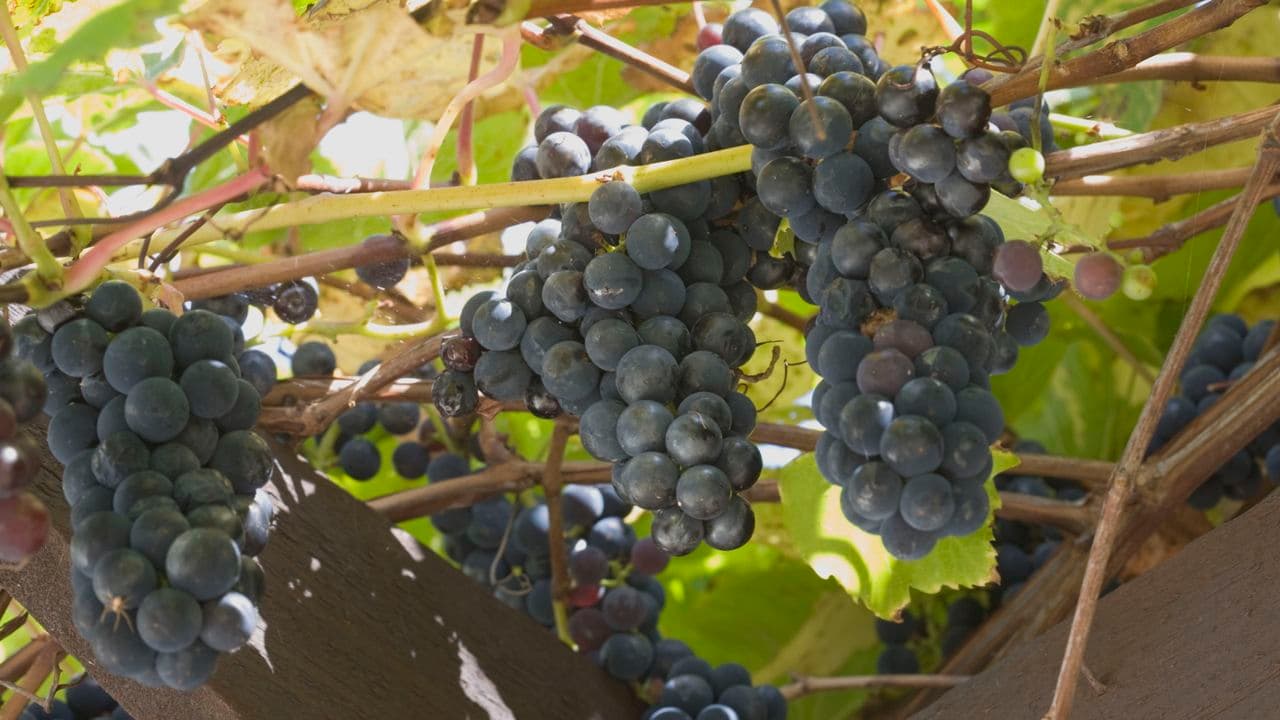
What To Do With a Grape Vine in June – 5 Tasks for the Finest, Sweetest Fruits
June is a pivotal month for grape growers. Whether you're tending a single vine climbing along a sunny fence or managing a more ambitious backyard vineyard, the work you put in during these long early-summer days will directly determine the quality of your harvest come late summer and autumn. Miss the window and you risk poor airflow, overcrowded clusters, and fruits that never quite hit their full potential for sweetness and flavour. Get it right, and you'll be rewarded with plump, sun-drenched grapes that make every effort worthwhile.
Here are the five most important tasks to carry out on your grape vine this June — and why each one makes such a difference.
1. Shoot Thinning: Give Every Bunch Room to Breathe
By June, your grape vine will be putting on vigorous new growth. Shoots will be emerging energetically from the main framework of the vine, and if left unchecked, the plant can quickly become an overcrowded tangle. Shoot thinning — the process of selectively removing excess new growth — is one of the single most impactful things you can do this month.
The goal is to ensure that each fruiting shoot has adequate light and airflow around it. Crowded vines are far more susceptible to fungal diseases like powdery mildew and botrytis, both of which can devastate a crop. Aim to leave shoots spaced roughly 10 to 15 centimetres apart along each cordon or arm of the vine.
Remove any shoots growing in the wrong direction — inward toward the wall or structure, or downward — as these will contribute nothing useful and only add to congestion. This task is best done early in June while shoots are still young and easy to rub off by hand, minimising any damage to the vine's structure.
2. Pinching Out Growing Tips After Flowering
Once your grape vine has flowered and fruit set begins — typically in the early to middle part of June depending on your climate — it's time to pinch out the growing tip of each fruiting shoot. This means removing the soft tip of the shoot approximately two leaves beyond the last flower cluster.
Why does this matter? Grape vines are tremendously vigorous plants. If left to grow unchecked, they will channel a significant amount of energy into producing new foliage rather than directing resources toward developing and ripening the fruit. By pinching out tips, you redirect that energy precisely where it's needed: into swelling, sweetening grapes.
This practice also helps keep the vine at a manageable size and prevents it from shading out its own fruiting clusters — something that can delay ripening and reduce sugar development in the berries significantly.
3. Tying In New Growth Carefully
Grape vines are fast growers, and by June the new shoots will need guiding and securing to their support structure. Leaving long, whippy shoots to hang loose means they are vulnerable to wind damage and will likely shade other parts of the plant. Take time to tie in new growth regularly — ideally checking on your vine every week or two throughout June.
Use soft garden twine or purpose-made vine ties, and attach shoots loosely so there is room for the stems to thicken without the ties cutting in. Train the shoots in the direction that suits your chosen training system, whether that's a simple fan, a cordon, or a more elaborate espalier form. Careful training now makes management in future seasons far simpler and contributes to a healthy, balanced vine structure over the long term.
4. Feeding for Fruit Development
June is an excellent time to give your grape vine a targeted feed to support fruit development. Once flowering has finished and tiny berries begin to form, the vine's nutritional demands shift. At this stage, a fertiliser with a good balance of potassium and phosphorus — rather than a high-nitrogen feed — will encourage strong fruit development and good sugar accumulation in the berries.
High-nitrogen feeds applied at this point can push the vine into producing excessive leafy growth at the expense of fruit quality, so avoid general-purpose lawn-type fertilisers. A specialist tomato fertiliser works well as a liquid feed for grape vines at this stage, as the nutrient profile aligns closely with what a fruiting vine needs. Apply according to the manufacturer's instructions, and ensure the vine is well-watered before feeding to avoid scorching the roots.
5. Monitoring and Acting on Pests and Disease
June's warm, humid conditions create ideal circumstances for a range of problems to take hold on grape vines. Powdery mildew, in particular, thrives in warm weather with poor airflow — which is exactly why the shoot thinning described in task one is so valuable as a preventive measure. Inspect your vine's foliage regularly and look out for the characteristic white powdery coating on leaves and young shoots that signals a mildew problem.
Vine weevils, spider mites, and wasps scouting for future feeding sites are also worth watching for as the season progresses. Deal with any disease symptoms promptly using an appropriate organic or chemical treatment, and remove any badly affected foliage to prevent the spread of spores. A few minutes of careful observation each week can prevent a small issue from becoming a serious threat to your entire crop.
A Quick Note on Watering in June
While not one of the five core tasks, it's worth mentioning that consistent watering during June is important, particularly for vines grown in containers or against a south-facing wall where the soil can dry out quickly. Deep, infrequent watering encourages roots to grow downward in search of moisture, building drought resilience. Avoid overhead watering, which wets the foliage and can encourage the fungal diseases you're working hard to prevent.
The Reward Is Worth the Effort
Grape vine care in June can feel time-consuming, but the tasks themselves are satisfying and the results speak for themselves. A vine that is well-thinned, carefully trained, properly fed, and kept free from pest and disease pressure will reward you with far better quality fruit than one left to its own devices. The grapes will be larger, sweeter, and more evenly ripened — exactly the kind of harvest that makes growing your own feel like a genuine luxury.
Spend a little time with your vine each week this June, and by the time harvest season arrives, you'll be very glad you did.