
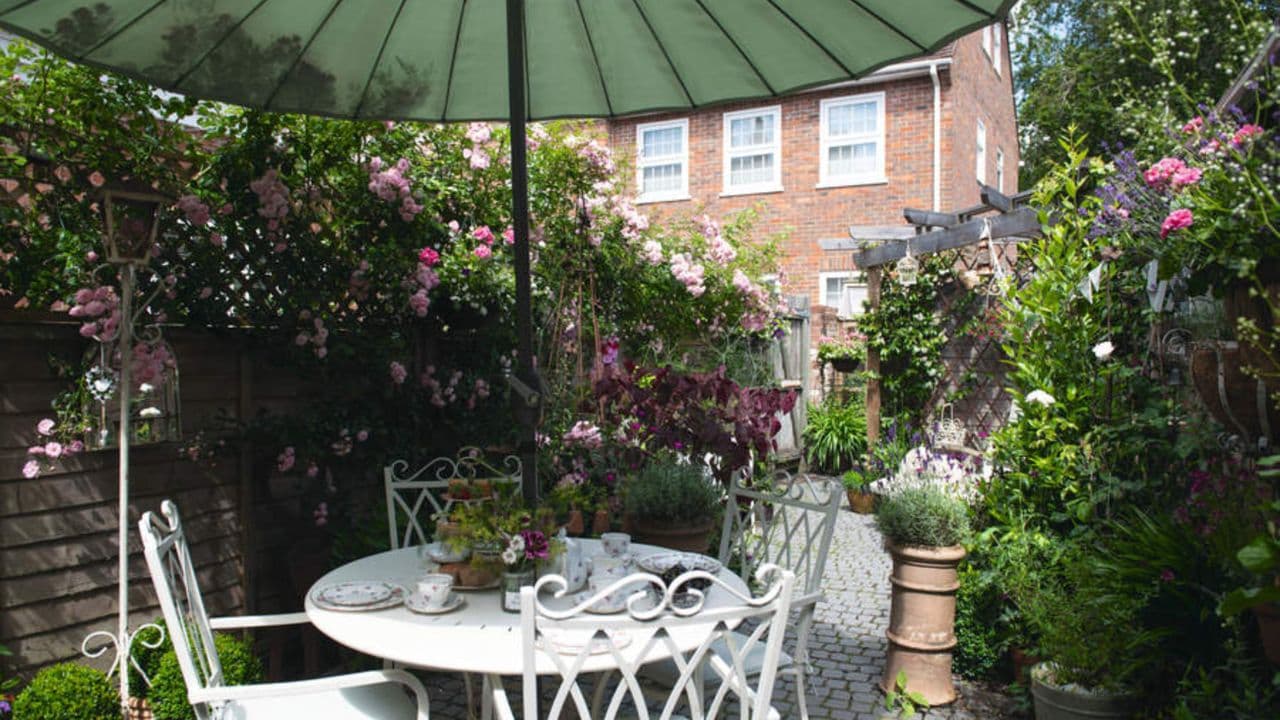
Why Your Traditional Patio Umbrella Might Be Working Against You
If you've ever tried to squeeze a classic center-pole patio umbrella onto a small balcony or compact outdoor space, you already know the struggle. The base alone can eat up a third of your usable floor area, the pole cuts right through your table's center, and the whole setup feels more like an obstacle course than a relaxing retreat. Yet shade is non-negotiable — especially during those long summer afternoons when the sun turns your little patio into a sauna.
The good news? Interior designers and outdoor living specialists have been quietly steering their clients away from traditional patio umbrellas for years. The smarter, sleeker alternative they swear by is the cantilever umbrella — and once you understand why, you'll wonder how you ever settled for anything else.
What Is a Cantilever Umbrella and Why Does It Work So Well on Small Patios?
A cantilever umbrella, also called an offset umbrella, is designed with the pole positioned to the side of the canopy rather than running through the center. The umbrella arm extends outward from a weighted base or a wall-mounted bracket, suspending the canopy overhead without any pole intruding into your seating or dining area.
This single design distinction makes an enormous difference in small spaces. Without a center pole anchored to your table, you can rearrange furniture freely, seat more people comfortably, and enjoy unobstructed sightlines. The base can be tucked against a wall or railing, reclaiming precious square footage that a traditional umbrella stand would have consumed.
Many cantilever models also rotate 360 degrees and tilt in multiple directions, giving you precise control over shade coverage throughout the day without moving any furniture at all. For a tiny patio where every inch counts, that kind of flexibility is invaluable.
The Designer-Approved Reasons to Make the Switch
1. It Frees Up Floor Space Dramatically
On a patio measuring 6 by 8 feet, a traditional umbrella base can occupy anywhere from 2 to 4 square feet of usable ground. A cantilever base, by contrast, can be positioned flush against a wall or tucked into a corner, effectively disappearing from your main living zone. Designers often describe this as "visual breathing room" — the space feels larger, airier, and less cluttered simply because the center of the patio is clear.
2. It Looks More Sophisticated
Let's be candid: the classic center-pole umbrella has a decidedly casual, almost temporary look. Cantilever umbrellas, on the other hand, carry an architectural quality. Their clean lines and floating canopy give a patio a curated, intentional aesthetic that design professionals consistently favor for high-end outdoor renovations. If you're trying to make a small patio feel like a true outdoor room rather than a patch of concrete with furniture on it, the cantilever style does more visual work than almost any other single element.
3. It Offers Superior Shade Control
Because the canopy can be angled and rotated independently of the furniture beneath it, cantilever umbrellas provide shade where you actually need it, not just where the pole happens to land. This is especially useful on smaller patios where the sun angle shifts dramatically between morning and evening. You get consistent, targeted shade without rearranging chairs every hour.
4. It Pairs Beautifully with Wall-Mounted Options
For patios so small that even a freestanding cantilever base is too much, wall-mounted cantilever umbrellas are the next step. These units bracket directly onto an exterior wall or fence post, eliminating the base entirely. The result is a clean, floating canopy that hovers over your space with minimal visual weight and zero floor footprint. Designers working with urban balconies and micro-patios consistently recommend this option as the ultimate space-saving shade solution.
What to Look for When Shopping for a Small-Patio Cantilever Umbrella
Not all cantilever umbrellas are created equal, and a few key specifications will determine whether you end up with a practical shade solution or an expensive frustration.
- Canopy Size: For small patios, a canopy between 9 and 11 feet in diameter typically provides ample coverage without overwhelming the space. Anything larger can feel oppressive on a compact footprint.
- Base Weight and Stability: A cantilever umbrella with a heavy canopy arm needs a substantial counterweight base to stay upright in moderate wind. Look for bases rated for at least 100 to 150 pounds of ballast, or consider models designed for permanent in-ground or wall installation.
- Fabric Quality: Solution-dyed acrylic fabrics, such as those made by Sunbrella, resist UV fading and mildew far better than polyester alternatives. On a small patio where the umbrella is a visual centerpiece, a fabric that stays crisp and vibrant season after season is worth the investment.
- Tilt and Rotation Mechanism: Smooth, tool-free adjustment mechanisms make daily shade management effortless. Look for models with a crank-operated tilt and a lockable 360-degree rotation ring.
- Ease of Storage: Many cantilever umbrellas fold compactly for off-season storage. Verify the folded dimensions before buying, especially if your storage space is as limited as your patio.
Styling Tips to Make Your Cantilever Umbrella Feel Intentional
Once you've chosen the right cantilever umbrella, a few simple styling moves will help it look like a deliberate design choice rather than an afterthought. Anchor the base with matching outdoor planters on either side to create a symmetrical, composed look. Choose a canopy color that complements your exterior wall or fence tone — neutral taupes, warm grays, and muted navies tend to photograph well and age gracefully. If you're using a wall-mounted model, consider adding a string of outdoor lights along the underside of the canopy arm to extend your patio's usability into the evening.
The Bottom Line for Small Patio Owners
If you've been forcing a traditional center-pole umbrella into a compact outdoor space and wondering why your patio never quite feels right, the umbrella is almost certainly part of the problem. Designers have known for years that the cantilever style — whether freestanding or wall-mounted — is simply the smarter, more elegant solution for smaller footprints. It delivers better shade, cleaner aesthetics, and dramatically more usable floor space, all from a single product swap.
Investing in the right cantilever umbrella is one of the highest-return upgrades you can make to a small patio. It transforms the space from cramped and cluttered to composed and genuinely enjoyable — and that, ultimately, is the whole point of an outdoor living area, no matter how modest its size.