
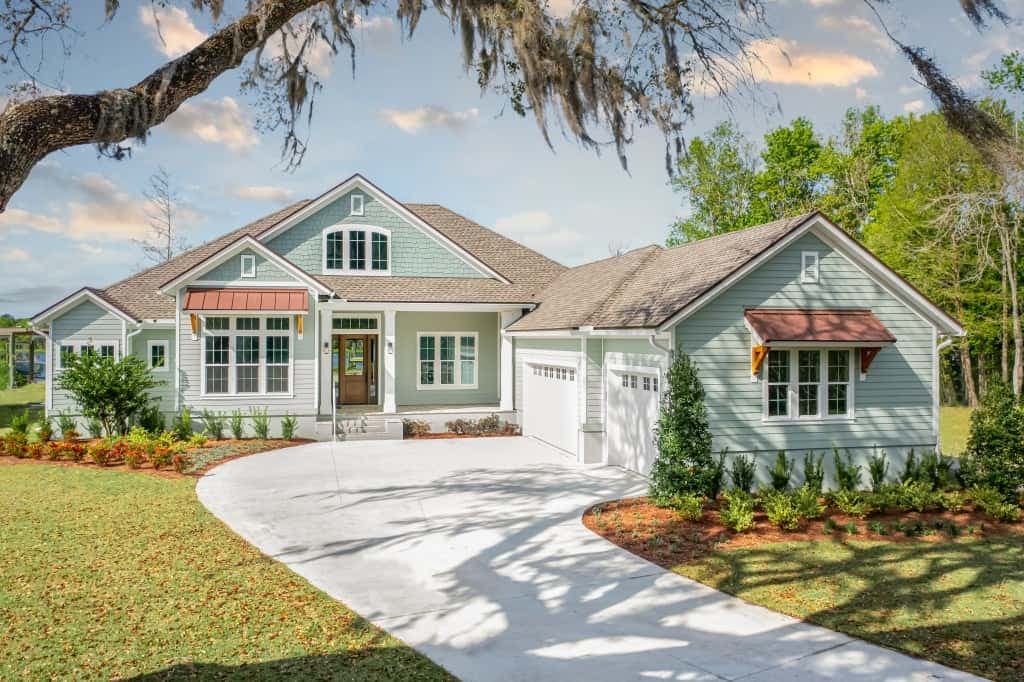
Spec Homes vs Custom Homes: What's the Difference?
If you're in the market for a brand-new home, you've likely come across two primary options: spec homes and custom homes. Whether you're searching for a new construction home in Austin, Texas, or eyeing a fresh development in Charlotte, North Carolina, understanding the distinction between these two paths is essential before signing anything. Both routes lead to a newly built property, but the journey — and what you get at the end of it — can look very different depending on which you choose.
At its core, a spec home (short for speculative home) is a property that a builder constructs without a specific buyer in mind. The builder makes all the major design decisions — floor plans, fixtures, finishes, and features — and then lists the home for sale once it's complete or nearing completion. A custom home, on the other hand, is designed and built entirely around you. You work directly with a builder or architect from the ground up to create a home that matches your exact vision, lifestyle, and preferences.
What Is a Spec Home?
Spec homes are built by developers who anticipate what the general market wants. These homes are typically constructed in planned communities or subdivisions, and they often feature popular design trends, neutral palettes, and practical layouts designed to appeal to a wide range of buyers. Because the builder has already made most of the choices, spec homes are often move-in ready or close to it by the time you tour them.
Advantages of Buying a Spec Home
- Faster move-in timeline. Since construction is already underway or finished, you can often close and move in within weeks rather than waiting a year or more.
- Lower upfront complexity. There are no lengthy design meetings or material selection processes. Most of the decision-making has already been handled for you.
- Easier financing. Traditional mortgage lenders are more comfortable with completed or near-complete homes, which can simplify the loan process compared to financing a ground-up build.
- What you see is what you get. You can walk through the actual home before purchasing, giving you a concrete sense of the space, light, and finishes — no guessing from blueprints.
- Potentially lower cost. Spec homes can be more affordable than full custom builds because builders benefit from economies of scale when purchasing materials and standardizing designs.
Disadvantages of Buying a Spec Home
- Limited personalization. You're largely stuck with the builder's choices. If you dislike the kitchen cabinets or the bathroom tile, changing them after the fact can be expensive.
- Less uniqueness. Many spec homes in the same development look nearly identical, which may feel impersonal if you value a truly one-of-a-kind space.
- Potentially missed features. Spec builders aim for broad appeal, so niche features you love — like a dedicated home office, a workshop, or a specific room layout — may simply not be there.
What Is a Custom Home?
A custom home is built from scratch based on your specifications. You typically purchase a lot first, then work with an architect and a custom home builder to design every detail — from the roofline to the kitchen island dimensions to the number of outlets in each room. Custom homes are as individual as their owners, and they reflect deeply personal choices about how you want to live.
Advantages of Building a Custom Home
- Complete creative control. Every design decision is yours to make — floor plan, room sizes, materials, fixtures, smart home features, accessibility considerations, and more.
- Built for your lifestyle. Whether you need a chef's kitchen, a three-car garage, a home gym, or an open-concept layout for entertaining, a custom build can accommodate it all.
- Higher-quality materials (if budgeted for). Custom builds often allow you to choose premium materials and systems, from insulation and windows to flooring and appliances.
- Long-term satisfaction. Because the home was designed around your needs, you're less likely to feel the urge to move or renovate in a few years.
- Energy efficiency choices. You can integrate the latest energy-saving technologies and sustainable building practices right from the start.
Disadvantages of Building a Custom Home
- Higher cost. Custom homes are typically more expensive on a per-square-foot basis, and the final price can escalate quickly as you add features and upgrades.
- Longer timeline. The design phase alone can take months, and construction typically runs 12 to 24 months or longer depending on complexity and contractor availability.
- More stress and involvement. You'll need to make hundreds of decisions and stay actively involved throughout the process, which can be overwhelming for many buyers.
- Construction loan complexity. Financing a custom build often requires a construction-to-permanent loan, which has different requirements and risk profiles than a standard mortgage.
Key Factors to Consider When Choosing
Deciding between a spec home and a custom home isn't one-size-fits-all. Here are the most important questions to ask yourself before committing to either path.
What Is Your Timeline?
If you need to be in a new home within a few months — perhaps because of a job relocation, a lease ending, or a growing family — a spec home is almost certainly the better choice. Custom builds require patience and flexibility. If you have one to two years to plan and build, a custom home becomes a much more viable option.
What Is Your Budget?
Spec homes offer more predictable pricing because the costs are largely set before you enter the picture. With a custom home, costs can shift as you select materials, encounter site challenges, or make changes mid-construction. Be honest about your budget ceiling and your tolerance for potential overruns before choosing a custom route.
How Much Do You Value Personalization?
If living in a home that perfectly reflects your aesthetic and functional needs is a priority, no spec home will fully satisfy you. But if you're comfortable with a well-designed, modern home that meets most of your needs without being tailor-made, a spec home can feel just as rewarding — especially when you're in it and it's yours.
Where Do You Want to Live?
Spec homes are typically found in established developments where lot availability is limited. If you have your heart set on a specific location — a rural acreage, a particular neighborhood, or a unique piece of land — a custom build may be the only way to make that happen. Location availability often drives the decision more than people expect.
Can You Customize a Spec Home?
Depending on the stage of construction, some spec home builders will allow limited customization. If you buy early enough in the build process, you may be able to choose flooring, countertops, cabinet colors, or fixture packages. However, structural changes — like moving walls or adding square footage — are rarely possible once framing is underway. Always ask the builder upfront what modifications, if any, are still on the table.
Which Option Is Right for You?
There is no universally correct answer between a spec home and a custom home. The right choice depends on your personal priorities, financial situation, and how much time and energy you're willing to invest in the process. If speed, simplicity, and lower upfront complexity matter most, a spec home is likely your best bet. If you have the budget, time, and vision to create something truly your own, a custom home offers rewards that few other purchases can match.
Before making any decision, visit multiple spec home communities in your target area, consult with at least two or three custom home builders for estimates, and speak with a real estate agent who specializes in new construction. Armed with the right information, you'll be well-positioned to choose the path that leads you to a home you'll love for years to come.