
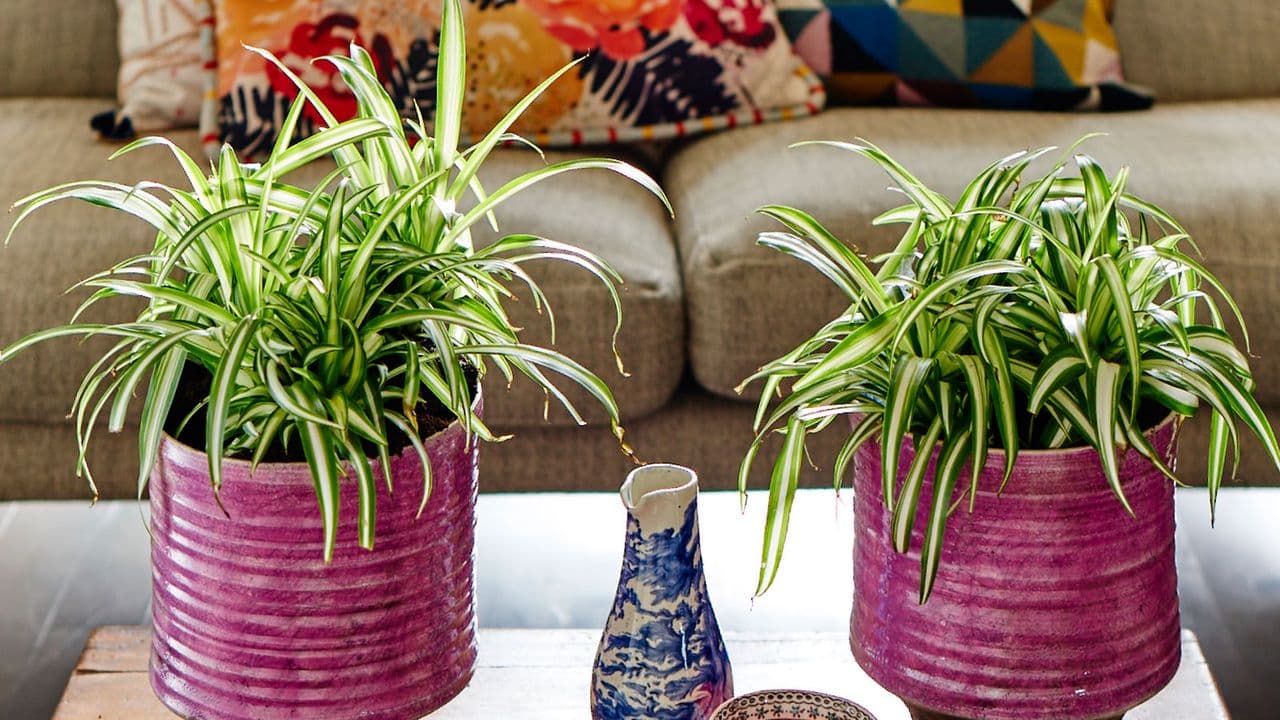
Why June Is the Most Important Month for Your Spider Plant
If you own a spider plant (Chlorophytum comosum), June is the month you should be paying the most attention to it. As temperatures rise and daylight hours reach their peak, spider plants shift into their most active phase of growth. This is the window when the right care decisions can make a dramatic difference — rewarding you with faster stem growth, deeper green foliage, and a generous crop of those irresistible baby offshoots known as spiderettes. Miss this opportunity, and your plant may limp through summer looking tired and sparse. Take advantage of it, and you will be amazed by what a spider plant can do.
Reassess Your Watering Routine
One of the biggest adjustments to make in June is to your watering schedule. Spider plants are thirsty during active growth, but they are also highly sensitive to overwatering. The goal is to keep the soil consistently moist without allowing it to become waterlogged. In June, this typically means watering more frequently than you did during the cooler months of spring.
Check the top inch of soil before each watering session. If it feels dry to the touch, it is time to water thoroughly, allowing the water to flow freely through the drainage holes at the bottom of the pot. Never let your spider plant sit in a saucer of standing water, as this is one of the fastest ways to cause root rot. Using room-temperature, filtered water or letting tap water sit overnight to off-gas chlorine is also a good practice, since spider plants are known to be sensitive to fluoride and chlorine, both of which can cause brown leaf tips.
Feed Your Spider Plant for Maximum Green Growth
June is the prime time to begin a consistent fertilizing schedule. Spider plants are not heavy feeders, but during their summer growth phase they genuinely benefit from a nutrient boost. Use a balanced, water-soluble fertilizer with an NPK ratio of around 3-1-2 or something similar, and apply it every two to three weeks throughout the month.
Avoid over-fertilizing, which can cause salt buildup in the soil and actually damage the roots. If you notice the leaf tips turning brown or yellow, ease back on feeding and flush the soil with plain water to remove any accumulated mineral salts. Organic liquid fertilizers such as fish emulsion or compost tea are excellent gentle alternatives that deliver nutrients without overwhelming the plant.
Optimize Lighting Without Causing Leaf Scorch
Spider plants thrive in bright, indirect light, and June's long sunny days offer plenty of it. However, the intensity of summer sun — particularly direct afternoon rays through south or west-facing windows — can scorch the leaves, leaving pale, bleached patches that never recover. To get the deepest green color in your foliage, position your spider plant where it receives bright but filtered light for most of the day.
East-facing windows are ideal in summer. You can also use a sheer curtain to diffuse harsh rays on south or west-facing sills. Outdoors, a spot with morning sun and dappled afternoon shade works wonderfully. If you notice the leaves looking washed out or pale, try moving the plant slightly closer to a light source. If tips are burning, move it back and increase shade.
Encourage More Spiderettes With Smart Trimming
Those long, arching runners that trail down from the mother plant are how spider plants produce their babies, or spiderettes. June is the season when these runners are most likely to appear and elongate. To encourage even more of them, make sure your plant is slightly root-bound — spider plants actually produce more runners when their roots are a little crowded in the pot.
If your plant has not flowered or sent out runners yet, do not repot it. A snug fit in the current container sends a signal to the plant that it needs to reproduce. Once you see small white flowers along the runners, spiderettes will soon follow. You can leave them attached to the mother plant to grow larger, or snip them off and propagate them in water or directly into moist soil.
How to Propagate Spiderettes Successfully in June
- Water propagation: Place the spiderette in a small glass of water, keeping the base submerged but the leaves above the waterline. Roots will typically appear within one to two weeks. Once roots are an inch or longer, transfer to soil.
- Direct soil propagation: Press the base of the spiderette into moist potting mix and keep it consistently damp. You can leave it attached to the runner until it establishes roots, then cut it free.
- Multiple cuttings: June warmth speeds up rooting time significantly, making this the best month of the year to multiply your collection or share plants with friends.
Humidity and Temperature Considerations
Spider plants are native to tropical and subtropical Africa, which means they love warmth and moderate humidity. June's indoor conditions are generally ideal, but air conditioning can dry out the air considerably. If your home runs the AC heavily, consider placing a small humidifier nearby or grouping your spider plant with other houseplants to create a naturally more humid microclimate.
Keep your plant away from cold air conditioning vents and sudden drafts. The ideal temperature range for vigorous June growth is between 65°F and 85°F (18°C to 29°C). Temperatures outside this range will slow growth and may cause the leaves to lose their vibrant coloring.
Watch for Pests Before They Become a Problem
Warmer weather invites common houseplant pests such as spider mites, aphids, and mealybugs. June is a smart time to give your spider plant a thorough inspection, checking the undersides of leaves and the junctions where leaves meet the stem. Catching an infestation early is far easier than dealing with a large colony later.
If you spot pests, wipe the leaves down with a damp cloth, then treat with a diluted neem oil solution or insecticidal soap spray. Repeat every few days until the problem is resolved. Regular misting of the foliage also discourages spider mites, which prefer dry conditions.
The June Spider Plant Checklist
- Water more frequently as temperatures rise, but always check soil moisture first
- Begin biweekly feeding with a balanced liquid fertilizer
- Position in bright, indirect light and protect from harsh afternoon sun
- Resist repotting if you want to encourage spiderette production
- Propagate spiderettes in water or soil while warm temperatures speed up rooting
- Monitor humidity levels and keep the plant away from AC vents
- Inspect leaves regularly for early signs of pest activity
Final Thoughts
June gives you a rare alignment of long days, warm temperatures, and a naturally energized plant that is ready to grow. By adjusting your watering habits, feeding consistently, dialing in the right light levels, and encouraging those beautiful trailing runners, you are setting your spider plant up for its best season yet. The reward — lush green foliage, vigorous new growth, and a cascade of healthy spiderettes — is well worth the modest effort this month demands. Treat June as your spider plant's most important month, and it will pay you back all summer long.