
When the Grill Becomes a Liability: The Hidden Costs of Summer Cookouts
For millions of Americans, firing up the backyard grill is one of the great rituals of summer. From Memorial Day to Labor Day, the smell of charcoal and the sizzle of burgers mark weekends well spent. But behind that inviting smoke lies a serious and often underestimated danger. Every year, residential grills are responsible for thousands of home fires, significant structural damage, and costly insurance claims — many of which could have been prevented with basic safety awareness.
Over Memorial Day weekend, a gas grill caused severe damage to a home in Duson, Louisiana. Local firefighters determined that a ruptured gas line running from the grill to the propane bottle was the cause of the blaze. The incident is far from isolated. It is a stark reminder that the same appliance used to cook a perfect rack of ribs can, under the wrong conditions, become a destructive and costly hazard to your property and your family.
The Most Common Grill-Related Fire Hazards
Understanding why grill fires start is the first step toward preventing them. According to legal professionals who regularly handle fire-related property damage cases, the causes tend to cluster around a few consistent culprits.
Aidan Carickhoff, a partner and trial lawyer at Saltz Mongeluzzi Bendesky in Philadelphia, has seen the consequences of grill negligence firsthand. "The cases I see most often involve fires that started small and escalated before anyone could intervene. Grease fires, propane leaks, and grills positioned too close to structures are the most common culprits, and in many cases, they're preventable," he explains.
Grease Fires
Grease accumulation is one of the most dangerous and overlooked threats in backyard grilling. Every time you cook fatty meats, residue builds up inside the grill's drip trays, burner covers, and grates. Over time, this buildup becomes highly flammable. A sudden flare-up can ignite accumulated grease, producing a fire that burns far hotter and spreads far faster than most people expect.
Edward Susolik, CEO and managing partner of the Callahan Law firm, warns specifically about what happens next. "As a homeowner, you need to focus on grease fires. They can climb and ignite your deck framing, vinyl siding, or anything overhanging, like leaves or branches," he says. Once a grease fire moves beyond the grill itself, it can consume a wooden deck in minutes and spread to the home's exterior or roofline with devastating speed.
Propane Leaks and Gas Line Failures
Propane-fueled grills offer convenience, but they introduce a different category of risk. Gas lines, hose connections, and regulators are subject to wear, cracking, and corrosion — particularly after a winter of storage. A small propane leak near an ignition source can result in a sudden flash fire or even an explosion. The Duson, LA incident is a textbook example: a ruptured gas line turned a routine cookout into a structural emergency.
Before every grilling season, homeowners should inspect all gas components carefully. Apply a soapy water solution to hoses and connections while the gas is on. Bubbles forming at any point indicate a leak that must be addressed before the grill is used.
Improper Grill Placement
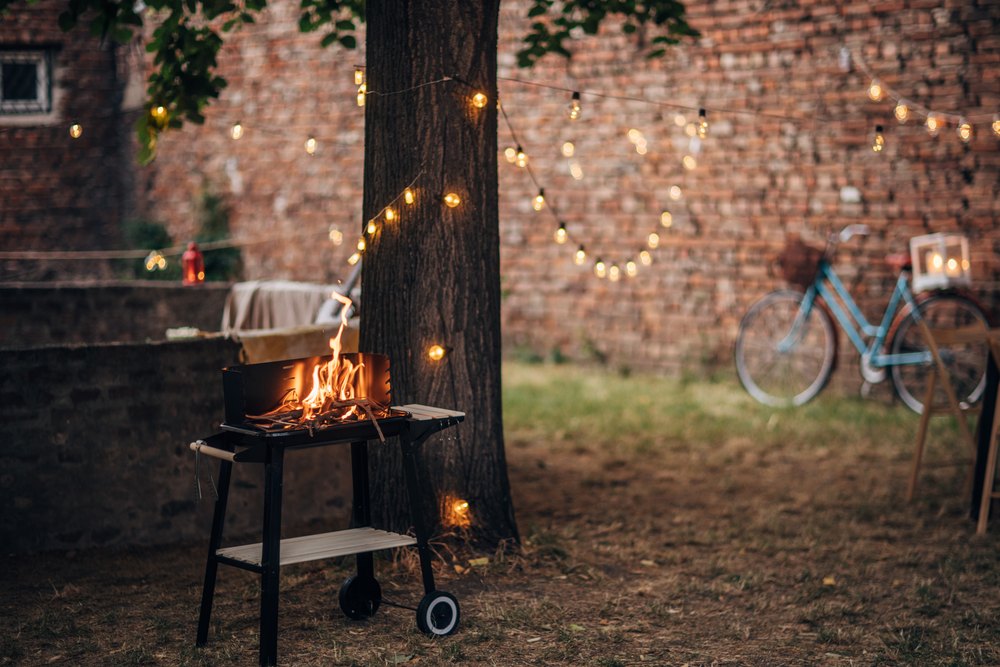
Many homeowners underestimate how close is too close. Grills placed directly against a home's exterior wall, under a covered patio, or beneath tree branches present an obvious fire transfer risk. The National Fire Protection Association recommends maintaining at least ten feet of clearance between a grill and any structure, including decks, fences, and overhangs.
The Financial Cost of a Grill Fire
Beyond the immediate safety threat, grill-related fires carry a significant financial toll. Structural repairs to a deck, siding, or roof can easily run into tens of thousands of dollars. If the fire spreads to the interior of the home, remediation costs escalate sharply, and the homeowner may face temporary displacement, hotel expenses, and the replacement of personal belongings.
Homeowner's insurance may cover grill-related fire damage, but policies vary widely in their terms. Some insurers may reduce or deny coverage if they determine that the fire resulted from negligence — such as leaving a grill unattended, failing to maintain the equipment, or placing it in a clearly unsafe location. A denied claim after a major fire can leave a homeowner facing enormous out-of-pocket expenses at an already stressful time.
Expert-Backed Tips to Grill Safely This Summer
The good news is that the vast majority of grill fires are preventable. By adopting a few straightforward habits, homeowners can dramatically reduce their risk while still enjoying everything summer grilling has to offer.
- Clean your grill regularly. Remove grease and food debris from grates, drip trays, and burner covers before and after each use. A clean grill is far less likely to produce dangerous flare-ups.
- Inspect gas lines and connections every season. Check hoses, regulators, and connectors for cracks, corrosion, or loose fittings. Replace any components that show signs of wear before using the grill.
- Position your grill at a safe distance. Keep the grill at least ten feet from your home, deck railings, fencing, and any overhead structures including awnings, eaves, or tree branches.
- Never leave the grill unattended. Most small fires become large ones because no one was watching. Stay near the grill while it is in use, and keep children and pets at a safe distance.
- Have a fire extinguisher accessible. A Class B dry chemical extinguisher is appropriate for grease and gas fires. Know how to use it before you need it.
- Never use a grill indoors or in an enclosed space. This applies to garages, screened porches, and covered patios with limited ventilation. Carbon monoxide and fire risk are both serious concerns in enclosed spaces.
- Store propane tanks correctly. Keep tanks upright, outdoors, and away from heat sources. Never store a propane tank inside the home or garage.
Protecting Your Home Starts Before You Light the Burner
Summer grilling is one of America's favorite pastimes, and with good reason. But the cost of carelessness — to your property, your finances, and your family's safety — can be severe. The homeowners most at risk are not those who grill frequently; they are those who grill without preparation. A few minutes of maintenance and a moment of mindfulness before each cookout can be the difference between a memorable summer gathering and a catastrophic property loss.
As the warm months approach, take the time to inspect your equipment, evaluate your setup, and refresh yourself on basic grill safety. Your home is almost certainly your most valuable asset. It deserves the same attention you give the food on the grate.