
When a Tiny Home Creates a Massive Problem
Tiny homes have surged in popularity across the United States, celebrated for their affordability, minimalist appeal, and environmental efficiency. But not every tiny home story ends in a lifestyle upgrade. In Portland, Oregon, one tiny home has become the center of a deeply troubling legal battle — one that involves a retired couple, an unbearable stench, gas masks, a collapsed husband, and a $200,000 lawsuit. This case raises serious questions about neighbor rights, property nuisance laws, and the real-world consequences of poorly managed small dwellings placed in residential neighborhoods.
Meet the Parties Involved
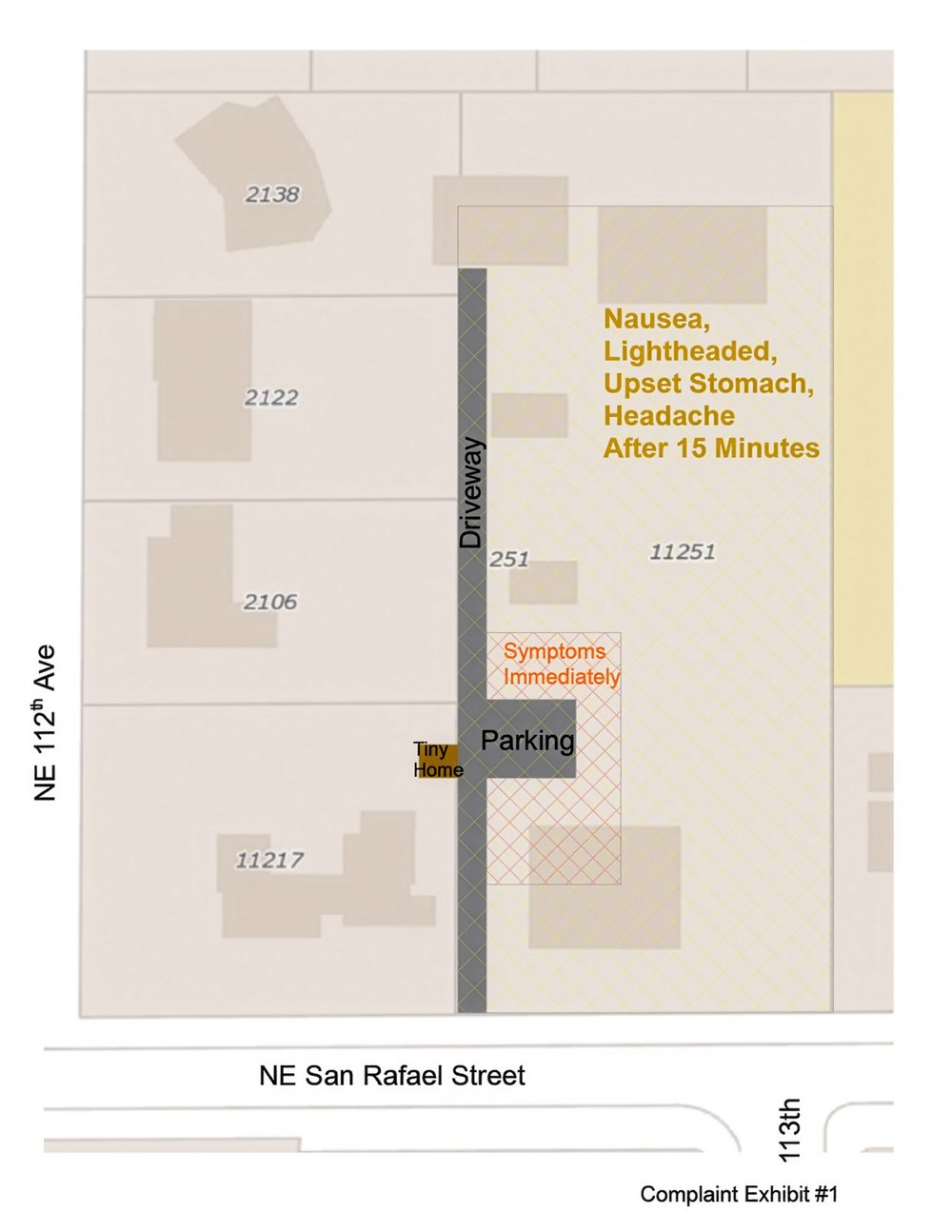
At the heart of this dispute are John Benjamin, 77, and Trudy Benjamin, 67 — a retired couple who have lived in their Portland home for over 40 years. Their next-door neighbor, Karen Ward, moved a tiny home on a wheeled trailer onto the back of her property sometime last year. What followed has reportedly turned the Benjamins' golden years into a daily ordeal they never could have anticipated when they first settled into their long-time home.
The Benjamins, represented by attorney Karl G. Anuta, have filed a lawsuit against Ward seeking $200,000 in damages. Their complaint, obtained by Realtor.com, paints a disturbing picture of what life next to Ward's tiny home has been like — a life now defined not by peaceful retirement, but by industrial-grade respirators, medical appointments, and the constant fear of stepping outside their own front door.
The Odor: More Than Just Unpleasant
According to the lawsuit, the odor emanating from Ward's tiny home is not merely an inconvenience — it has been described as "nauseating" and dangerous to human health. The Benjamins claim the fumes are so overpowering that they are forced to wear gas masks simply to walk from their driveway to their front door. For a couple in their late 60s and 70s, this is not a minor adjustment. It is a fundamental disruption of their daily lives and a genuine threat to their health and safety.
Perhaps most alarming is the account of John Benjamin, who reportedly collapsed due to the noxious vapors while outside near his home. The fall was serious — John chipped a bone in his kneecap, an injury that required surgical intervention. This is no longer a story about bad smells. This is a story about physical injury allegedly caused by a neighbor's property.
"All the Benjamins want is to be able to use and enjoy their home of 40 years, without having to wear industrial-grade respirators whenever they go outside," their attorney Karl G. Anuta told Realtor.com. "They would also like to be able to tell their medical providers — who have been telling them that they need to stay somewhere else until this problem is resolved — that the problem has been resolved."
The Legal Framework: What Is a Property Nuisance?
From a legal standpoint, the Benjamins' case likely falls under the doctrine of private nuisance, a well-established area of property law. A private nuisance occurs when one party's use of their property unreasonably interferes with another party's ability to use and enjoy their own property. Courts typically evaluate nuisance claims based on the severity of the interference, its duration, and whether the harm caused outweighs the utility of the defendant's conduct.
In this case, the Benjamins appear to have a compelling argument. The alleged interference is not trivial — it has caused physical injury, required medical attention, displaced the couple from their home of four decades, and forced them to use protective equipment just to move around their property. If proven, these facts could easily satisfy the threshold for actionable nuisance under Oregon law.
- Physical injury: John Benjamin suffered a knee injury requiring surgery after collapsing near the odor source.
- Medical displacement: Doctors have reportedly advised the couple to stay elsewhere until the situation is resolved.
- Daily life disruption: The couple cannot freely access their own property without wearing gas masks.
- Long-term residency: The Benjamins have lived in their home for 40 years, establishing a strong claim to peaceful enjoyment of their property.
The Broader Conversation About Tiny Home Placement
This lawsuit touches on a broader issue that municipalities and homeowners associations across the country are increasingly grappling with: the regulation of tiny homes, especially those on wheeled trailers. Unlike traditional permanent structures, tiny homes on wheels often occupy a legal gray area. They may not require the same building permits, inspections, or zoning approvals as conventional homes, making it easier to install them quickly — and sometimes irresponsibly.
Portland has been a particularly progressive city when it comes to embracing alternative housing solutions, including tiny homes and accessory dwelling units (ADUs). While these policies serve important housing access goals, the Benjamin case illustrates that insufficient oversight can lead to serious consequences for neighboring residents. Whatever is producing the odor from Ward's tiny home — whether it is a malfunctioning septic or waste system, chemical storage, composting gone wrong, or another source — the lack of regulatory scrutiny may have allowed the problem to persist far longer than it should have.
What Homeowners Should Know
If you live near a tiny home, or are considering installing one yourself, this case offers critical lessons about responsibility, communication, and legal liability. Homeowners have both rights and obligations when it comes to how their property affects those around them. A few key takeaways include:
- Know your local zoning laws: Research what is permitted on your property and neighboring properties in your municipality before assuming tiny homes are unrestricted.
- Document everything: If a neighbor's property is causing you harm, keep detailed records — photographs, medical reports, written communication — as early as possible.
- Seek legal counsel promptly: Nuisance claims can be time-sensitive, and early legal advice can preserve your options and strengthen your case.
- Attempt communication first: While litigation may be necessary, attempting to resolve disputes directly or through mediation can sometimes lead to faster and less costly outcomes.
- Report to local authorities: Code enforcement agencies and health departments may have jurisdiction over environmental hazards emanating from nearby properties.
A Retirement Disrupted, a Legal Battle Ahead
For John and Trudy Benjamin, what should have been a peaceful chapter of life — spent in the home they have cherished for four decades — has instead become a daily battle for basic comfort and safety. Their lawsuit is not just about money. It is about dignity, health, and the fundamental right to enjoy one's own home without fear. As the case progresses through Oregon's courts, it will likely draw national attention from housing advocates, legal experts, and local governments trying to balance the promise of tiny home living with the protection of all community members. The outcome could set an important precedent for how nuisance claims involving non-traditional housing are handled across the country.
Tiny homes may be small in size, but as this Portland case proves, the problems they can create — when improperly managed — can be anything but small.