
When Art Meets Architecture: The New Era of Luxury Home Staging
In the competitive world of luxury real estate, first impressions are everything. Sellers and agents alike are constantly searching for ways to differentiate high-end properties in a crowded market. One strategy that has quietly transformed the industry is the intentional integration of fine art into home staging. Far beyond hanging a painting above a fireplace, today's most sophisticated staging approaches treat art as a core sales tool — one that communicates lifestyle, elevates perceived value, and creates an emotional connection that photographs, floor plans, and square footage simply cannot replicate.
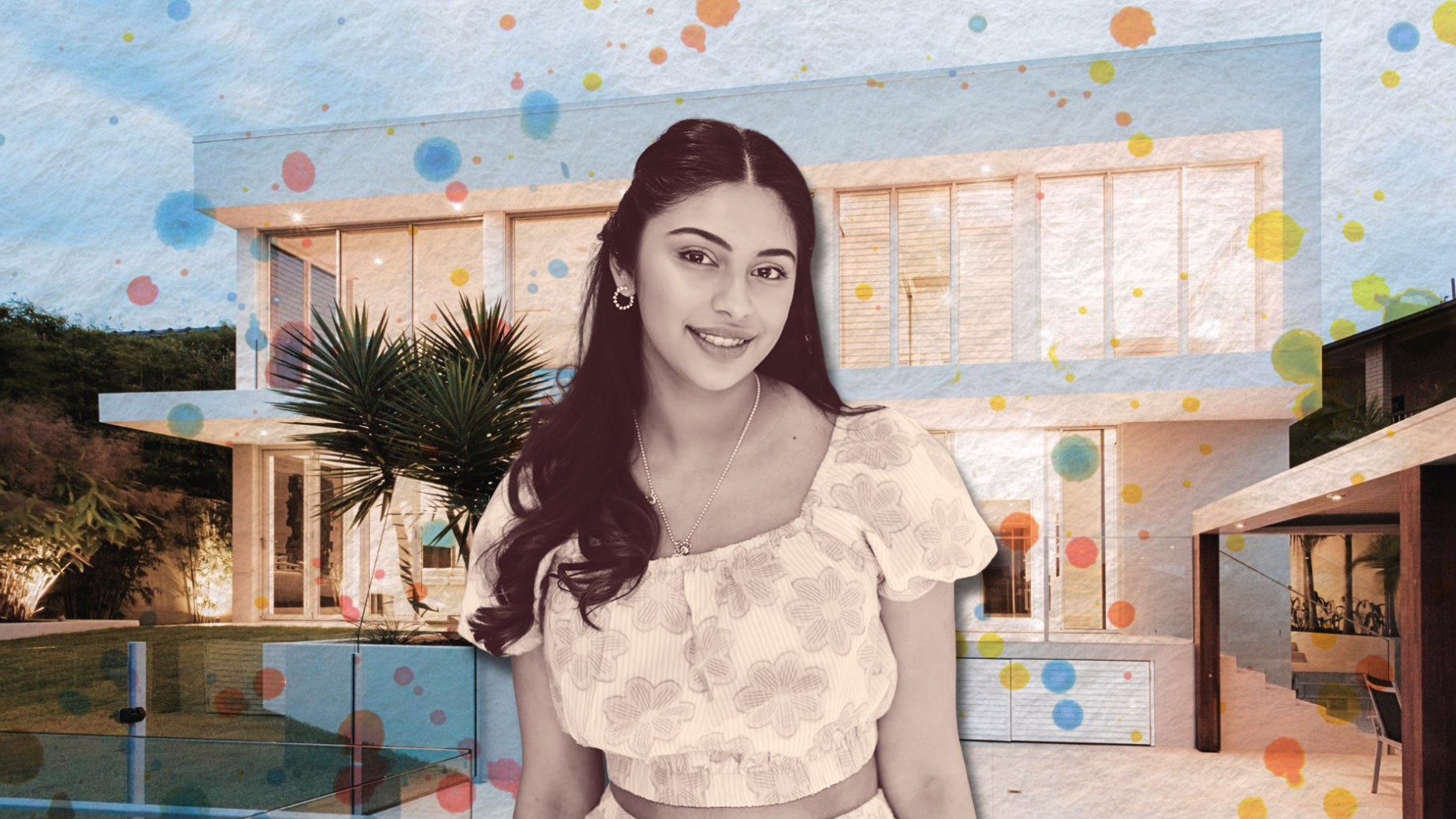
Arushi Kapoor of The Agency Art House has been at the forefront of this movement, championing the idea that fine art and luxury real estate are natural partners. Her work illustrates how thoughtfully curated artwork can transform a property from a beautifully furnished space into a fully realized world that prospective buyers want to inhabit.
Why Fine Art Elevates Luxury Staging Beyond Interior Design
Luxury staging has always involved careful attention to furniture, lighting, textiles, and spatial flow. But the inclusion of fine art introduces something qualitatively different: cultural currency. Art signals taste, discernment, and a certain kind of worldliness that resonates deeply with high-net-worth buyers who are not simply purchasing a home — they are purchasing a way of life.
When a potential buyer walks into a staged property featuring museum-quality paintings, limited-edition sculptures, or works by internationally recognized artists, the subconscious message is powerful. The home feels curated rather than merely decorated. It feels lived in by someone of refinement, and aspiration becomes tangible. This psychological effect is difficult to achieve through furniture and soft furnishings alone, no matter how luxurious they may be.
Additionally, fine art brings a dynamism to a space that static design elements cannot. A sculpture creates shadow and movement. A large-format canvas commands a room and anchors a conversation. These qualities translate directly into more compelling listing photography, more engaging virtual tours, and more memorable in-person showings — all of which contribute to faster and more profitable sales outcomes.
The Role of Art Consultants in High-End Real Estate Transactions
The growing integration of fine art into luxury staging has given rise to a new kind of collaborator: the art consultant embedded within or closely aligned with a real estate brokerage. Organizations like The Agency Art House exist precisely at this intersection, bridging the gap between the art market and the property market.
Art consultants bring expertise that most real estate agents and traditional staging companies do not possess. They understand provenance, artistic movements, collector sentiment, and market trends within the art world. This knowledge allows them to select pieces that not only look beautiful in a space but also carry genuine value — a distinction that matters enormously to sophisticated buyers who may themselves be collectors.
Beyond aesthetics, art consultants can facilitate conversations about the artwork itself, opening doors to discussions that go well beyond the property transaction. In some cases, buyers who fall in love with a piece during a showing may inquire about acquiring it alongside the home, creating an additional revenue stream and deepening the overall client relationship in meaningful ways.
How Art Supports the Emotional Narrative of a Property
Every luxury property has a story. Whether it is a contemporary penthouse with sweeping city views, a Mediterranean-inspired estate perched above the coastline, or a historic manor with generations of architectural detail, the best staging amplifies that story rather than obscuring it. Fine art, when selected with intention, becomes a chapter in that narrative.
A minimalist abstract canvas in cool blues and grays reinforces the serene, modern sensibility of a glass-and-steel residence. A vibrant figurative work introduces warmth and humanity into a grand formal dining room. A bronze sculpture positioned in a garden creates a sense of permanence and legacy. Each of these choices is deliberate, and each one speaks to the buyer on a level that goes beyond rational evaluation.
This emotional storytelling is particularly effective because luxury buyers at the highest price points are rarely making purely financial decisions. They are making identity decisions. The art that surrounds them in their home reflects who they are — or who they aspire to become. Staging that understands this dynamic and harnesses it through fine art selection gives sellers a significant competitive advantage.
Practical Considerations for Integrating Fine Art Into Your Staging Strategy
For agents and sellers considering a fine art approach to luxury staging, several practical factors deserve attention:
- Scale and proportion matter enormously. Artwork must be sized appropriately for the wall, ceiling height, and overall spatial volume of a room. Undersized pieces can make a grand space feel neglected, while oversized works in intimate rooms can feel overwhelming.
- Curation should reflect the property's architectural identity. A contemporary home calls for different art than a traditional estate. The most effective staging creates coherence between the architecture, the interior design, and the artwork.
- Lighting is non-negotiable. Fine art deserves proper illumination. The right lighting not only showcases the work itself but also enhances the overall atmosphere of the room during showings and photography.
- Authenticity resonates. High-end buyers can typically distinguish between original works and reproductions. Wherever possible, staging with genuine pieces — even by emerging artists — carries more weight than prints or commercial reproductions.
- Documentation adds credibility. Having provenance information and artist backgrounds available for interested buyers adds a layer of professionalism and seriousness to the staging narrative.
Deepening Client Relationships Through Art
Perhaps one of the most underappreciated benefits of integrating fine art into luxury real estate is its power to deepen and extend client relationships beyond the transaction itself. When an agent introduces a buyer or seller to the work of an artist they come to love, or facilitates the acquisition of a piece that becomes a treasured part of their collection, that agent has provided value that transcends the real estate deal.
These moments of cultural connection create loyalty that no marketing campaign can replicate. Clients remember the agent who introduced them to something meaningful. They return for future transactions. They refer friends and family. In the ultra-competitive luxury segment, where personal relationships drive business, this kind of differentiation is invaluable.
The Future of Fine Art and Luxury Real Estate
As the luxury real estate market continues to evolve and buyers grow increasingly sophisticated in their expectations, the integration of fine art into staging and sales strategy is poised to move from a differentiating advantage to an industry standard. Brokerages and agents who develop genuine art expertise — either in-house or through partnerships with specialists like The Agency Art House — will be better positioned to serve discerning clients, command premium prices, and build the kind of lasting relationships that sustain a business across market cycles. Fine art, it turns out, is not just decoration. In the world of luxury real estate, it is a fundamental tool of the trade.