
How to Sell a House in 2026: Everything You Need to Know
Selling your home is one of the biggest financial decisions you'll ever make. Whether you're relocating for a new job, downsizing after the kids move out, or simply ready for a fresh start, the process can feel complex — especially in today's shifting real estate landscape. In 2026, buyers have more leverage than they've had in years, which means sellers need to bring their A-game from day one. This guide walks you through every step of how to sell a house in 2026, so you can move forward with confidence and get the best possible outcome.
Understanding the 2026 Real Estate Market
Before you plant that "For Sale" sign in the yard, it's essential to understand the environment you're selling in. The market has changed significantly since the pandemic-era frenzy. Homes are now taking an average of 49 days to go under contract — nearly twice as long as the 27-day average seen in 2022. Inventory has risen in most markets, giving buyers more choices and more negotiating power.
This doesn't mean it's a bad time to sell. It simply means that strategy matters more than ever. Sellers who price correctly, present their homes beautifully, and remain flexible during negotiations are still closing strong deals. Those who overprice or underinvest in presentation are sitting on stagnant listings for months.
Step 1: Decide How You Want to Sell
One of the most important early decisions is choosing your selling method. In 2026, sellers have more options than ever before, and each comes with its own tradeoffs.
- List on the MLS with a real estate agent: This is still the most common approach. A licensed agent handles marketing, showings, negotiations, and paperwork. You'll pay a commission, but you'll also benefit from professional expertise and maximum exposure.
- For Sale By Owner (FSBO): You manage the entire process yourself, which saves on agent commissions but requires significant time, knowledge, and effort. FSBO homes statistically sell for less than agent-assisted sales in most markets.
- Sell to a cash buyer or iBuyer: Companies like iBuyers make near-instant cash offers, allowing you to close quickly — sometimes in as little as two weeks. The tradeoff is that you'll typically receive below-market value.
- Sell privately or off-market: Some sellers prefer to avoid public listings entirely, especially if privacy is a priority. This can work well if you have a strong personal network or connections to potential buyers.
- Sell as-is: If your home needs significant repairs, selling as-is to an investor or cash buyer can save you time and renovation costs, though it usually means accepting a lower price.
There's no single right answer. Your choice should be based on your timeline, financial goals, and how much hands-on involvement you want in the process.
Step 2: Price Your Home Strategically
Pricing is arguably the most critical factor in how quickly and profitably your home sells. In a buyer's market, overpricing is the number-one mistake sellers make. Buyers in 2026 are well-informed — they're comparing your home to dozens of others online before they ever schedule a showing.
Work with your agent to pull a Comparative Market Analysis (CMA), which examines recent sales of similar homes in your neighborhood. Look at price per square foot, days on market, and final sale price versus list price. Pricing your home competitively from the start generates more interest, more showings, and potentially multiple offers — even in a slower market.
Step 3: Prepare and Stage Your Home
First impressions are everything in real estate. Before your home hits the market, invest time and effort into making it shine. Start with the basics: deep clean every room, declutter aggressively, and complete minor repairs like leaky faucets, cracked caulk, or scuffed walls.
Professional staging can make a meaningful difference in how buyers perceive your home and how quickly it sells. Staged homes tend to sell faster and often for more money than unstaged equivalents. If full staging isn't in your budget, even simple improvements like fresh neutral paint, updated light fixtures, and well-placed furniture can dramatically improve appeal.
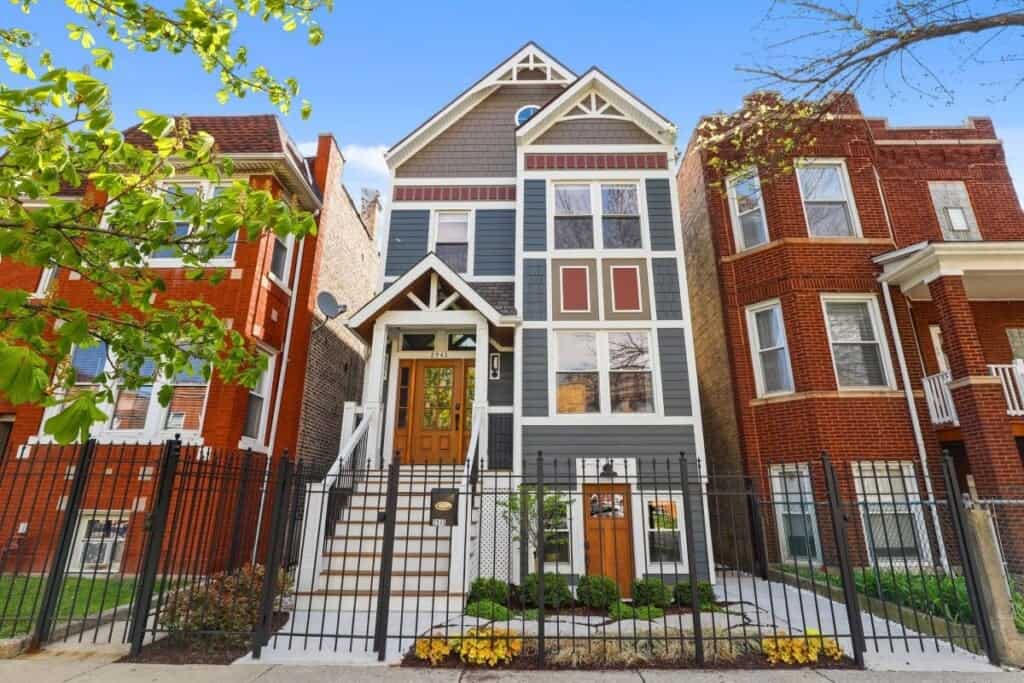
Don't overlook curb appeal either. The exterior of your home is the first thing buyers see — both in person and in listing photos. Mow the lawn, trim hedges, pressure-wash the driveway, and consider adding fresh mulch or seasonal flowers to boost visual impact.
Step 4: Market Your Home Effectively
In today's digital-first world, your online listing is your most powerful marketing tool. High-quality professional photography is non-negotiable — listings with professional photos receive significantly more views and inquiries than those with amateur images. If your budget allows, consider adding a 3D virtual tour or video walkthrough, which have become increasingly expected by buyers who may be relocating from out of town.
Your agent should list your home on the MLS and syndicate it to major real estate platforms. Social media promotion, targeted digital advertising, and email campaigns to buyer networks can further expand your reach and bring the right buyers to your door faster.
Step 5: Navigate Offers and Negotiate Wisely
When offers start coming in, resist the urge to focus solely on price. The strength of an offer depends on multiple factors: the buyer's financing (or whether they're paying cash), contingencies included, the proposed closing timeline, and the earnest money deposit. A slightly lower offer with fewer contingencies and a strong pre-approval may actually be more attractive than a higher offer filled with conditions.
Be prepared to negotiate. In 2026's buyer-friendly market, buyers will often ask for repairs, credits, or closing cost assistance after the home inspection. Decide in advance which concessions you're comfortable making and where your hard limits are. Your agent's guidance during this phase is invaluable.
Step 6: Close the Sale
Once you've accepted an offer, you're in the home stretch — but the work isn't over. The closing process typically involves a home inspection, appraisal (if the buyer is financing), title search, and final walkthrough. Stay in close communication with your agent and attorney, respond to requests promptly, and be prepared to address any issues that arise during the inspection.
Closing day is when ownership officially transfers. You'll sign a stack of documents, hand over the keys, and receive your proceeds — minus any outstanding mortgage balance, agent commissions, and closing costs. On average, sellers can expect to pay 8–10% of the sale price in total selling costs.
Final Thoughts: Selling Smart in 2026
Selling a house in 2026 requires more strategy, patience, and preparation than it did just a few years ago. Buyers have options, and they know it. But sellers who price competitively, present their homes well, market effectively, and negotiate thoughtfully are still achieving excellent results. By understanding the current market and following the steps outlined in this guide, you'll be well-positioned to close a successful sale — on your terms and on your timeline.