
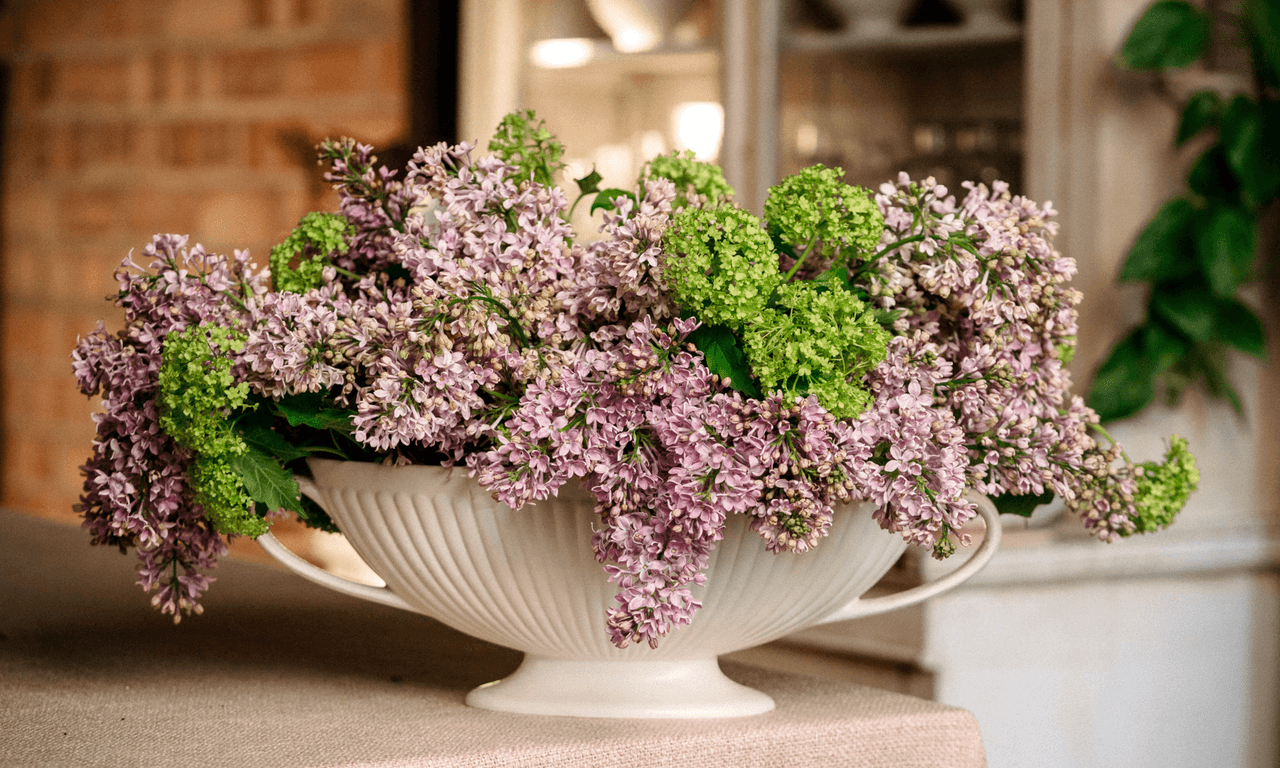
Why Seasonal Flowers Are the Secret to a Stunning Table Design
There is something deeply satisfying about sitting down at a table adorned with flowers that feel as though they were pulled straight from a sun-warmed garden. Whether you are planning an intimate dinner party, a festive holiday gathering, or simply want to bring more beauty into your everyday home life, a well-composed floral table design can transform any space from ordinary to extraordinary. The best part? It is far more approachable than most people assume. You do not need a professional florist on speed dial or an extravagant budget. What you do need is a little knowledge about seasonal flowers, a few key principles, and the confidence to let nature do most of the heavy lifting.
Seasonal flowers are not just a trendy concept — they are a practical and beautiful foundation for any table arrangement. When blooms are in season, they are at their freshest, most vibrant, and most affordable. They also carry an inherent harmony with the environment around them, meaning your table will feel cohesive with the season outside your window rather than disconnected from it. This guide walks you through everything you need to know to create an abundant, layered, and stunning table design using seasonal flowers — no formal training required.
Start With a Seasonal Flower Palette
Before you pick up a single stem, spend a moment thinking about the season you are working with. Each time of year offers a unique and generous bounty that can guide your entire design.
- Spring brings tulips, ranunculus, peonies, hyacinths, and cherry blossoms — soft, romantic, and ideal for pastel or white tablescapes.
- Summer offers dahlias, sunflowers, zinnias, sweet peas, and lavender — bold, lush, and perfect for vibrant, overflowing arrangements.
- Autumn introduces chrysanthemums, marigolds, cosmos, and dried seed heads alongside rich foliage in amber, copper, and burgundy tones.
- Winter lends itself to amaryllis, hellebores, paperwhites, evergreen branches, and berried stems for dramatic and cozy displays.
Visit your local farmers market or a specialty florist and let what is available in abundance shape your palette. Buying what is naturally plentiful keeps costs down and ensures the freshest possible blooms for your table.
Build Your Design in Layers
One of the most common mistakes in DIY table floristry is placing a single type of flower in a vase and calling it done. Truly abundant table designs are built in layers, with each element contributing a different visual texture, height, or role in the overall composition.
The Base: Foliage and Greenery
Always begin with foliage. Eucalyptus, ferns, ivy, lamb's ear, or even clippings from your garden create a lush green foundation that fills space, adds depth, and makes your flowers pop. Lay foliage loosely across the table or arrange it in vessels first before adding any blooms. This base layer is what makes a design feel generous and full rather than sparse.
The Structure: Focal Flowers
Focal flowers are your statement blooms — the ones with the most visual weight. Think peonies, dahlias, sunflowers, or large garden roses. These are placed next, acting as the anchor points of your design. Use an odd number of focal flowers for a more natural, asymmetrical look. Place them at varying heights by trimming stems to different lengths so your eye moves naturally across the arrangement.
The Detail: Secondary and Filler Blooms
Secondary blooms fill the gaps between your focal flowers and add layers of color and texture. Smaller flowers like ranunculus, anemones, or spray roses work beautifully here. Filler elements such as baby's breath, waxflower, astilbe, or even herbs like rosemary and mint add delicacy and fragrance, tying the whole design together.
Choose the Right Vessels for Your Table
Your choice of vessel has a significant impact on the overall feel of your table design. A single large arrangement at the center of the table makes a bold, formal statement, while a series of smaller vessels scattered along the length of the table creates a more relaxed and abundant aesthetic — often referred to as a "runner" style arrangement.
Do not feel limited to traditional vases. Mason jars, ceramic pitchers, vintage bottles, wooden crates lined with moss, or even hollowed-out seasonal gourds in autumn can all serve as beautiful, character-rich containers. Mixing vessel heights and shapes adds visual interest and gives your table design a collected, personal quality rather than a cookie-cutter look.
Pro Tips for Keeping Your Blooms Fresh Longer
An abundant table design is only as good as how long it lasts. With a few simple care techniques, you can extend the life of your seasonal flowers significantly.
- Always cut stems at a 45-degree angle before placing them in water to maximize hydration.
- Remove any leaves that will sit below the waterline to prevent bacterial growth.
- Change the water in your vessels every one to two days and add a small amount of flower food or a drop of bleach to keep it clean.
- Keep your arrangement away from direct sunlight, heating vents, and ripening fruit, all of which accelerate wilting.
- Mist delicate blooms lightly in the morning to maintain humidity, especially in dry indoor environments.
Embrace Imperfection and Let Nature Lead
Perhaps the most important lesson in seasonal flower table design is to release the need for perfection. The most beautiful arrangements are the ones that feel alive, slightly asymmetrical, and as though they grew that way naturally. Allow a stem to lean. Let a flower face an unexpected direction. Let a trailing vine spill over the edge of a vessel. These small moments of organic imperfection are what give a floral design its soul.
When you work with seasonal flowers and follow the layering principles outlined here, you are not just decorating a table — you are creating an experience. Guests who sit around that table will feel the care, the creativity, and the deep connection to the natural world that only fresh, seasonal flowers can bring. And once you have done it once, you will find yourself looking forward to every new season with fresh eyes and an eager hand ready to create again.