
The Super El Niño Is Official—and Homeowners in These States Need To Prepare
After months of mounting speculation, federal forecasters have made it official: a significant El Niño has begun forming, and it is expected to have wide-reaching impacts on weather patterns across the United States for months to come. If you own a home, now is the time to pay close attention—because what's coming could rank among the most powerful El Niño events ever recorded.
The National Oceanic and Atmospheric Administration (NOAA) has released its official forecast, and the numbers are striking. According to NOAA, there is a 63% chance of a very strong El Niño developing between November 2026 and January 2027. That means extreme weather conditions—from devastating floods to prolonged droughts—could be on the horizon for millions of American homeowners. The question is: are you ready?
What Exactly Is El Niño and Why Does It Matter?
El Niño is a naturally occurring climate pattern that emerges when the surface temperatures of the central and eastern tropical Pacific Ocean rise significantly above average. This warming disrupts atmospheric circulation patterns around the globe, triggering shifts in precipitation, temperature, and storm activity that can last for many months.
For U.S. homeowners, El Niño is not just a weather curiosity—it is a direct threat to property, safety, and finances. Heavy rainfall can overwhelm drainage systems and cause flooding. Unusually warm, dry winters in some regions dramatically increase wildfire risk. Coastal areas can face more intense storms. The ripple effects touch everything from home insurance premiums to structural integrity.
Ken Graham, director of NOAA's National Weather Service (NWS), emphasized that no two El Niño events are identical. "Every El Niño is not the same; each one is unique with its own imprint on our weather," Graham stated. "Advanced monitoring and an improved understanding of El Niño patterns allow the NWS to better predict and better prepare the public and our core partners for what is to come."
That warning should not be taken lightly. With improved forecasting tools in place, experts are urging homeowners across the country to begin preparations now—months before the worst conditions are expected to arrive.
The Near-Term Outlook: Summer Through Fall
According to NOAA's initial projections, above-average temperatures are expected to affect nearly every part of the continental United States from June through August. For homeowners, this means higher cooling costs, heightened fire risks in dry regions, and potential stress on older home infrastructure like roofing materials and plumbing systems that expand in extreme heat.
As the season transitions into fall and winter, the impacts will become more regionally specific—and more severe. NOAA's forecast brings both good news and bad news depending on where you live, which is exactly why localized awareness and preparation are so critical.
Which States Face the Greatest Risks?
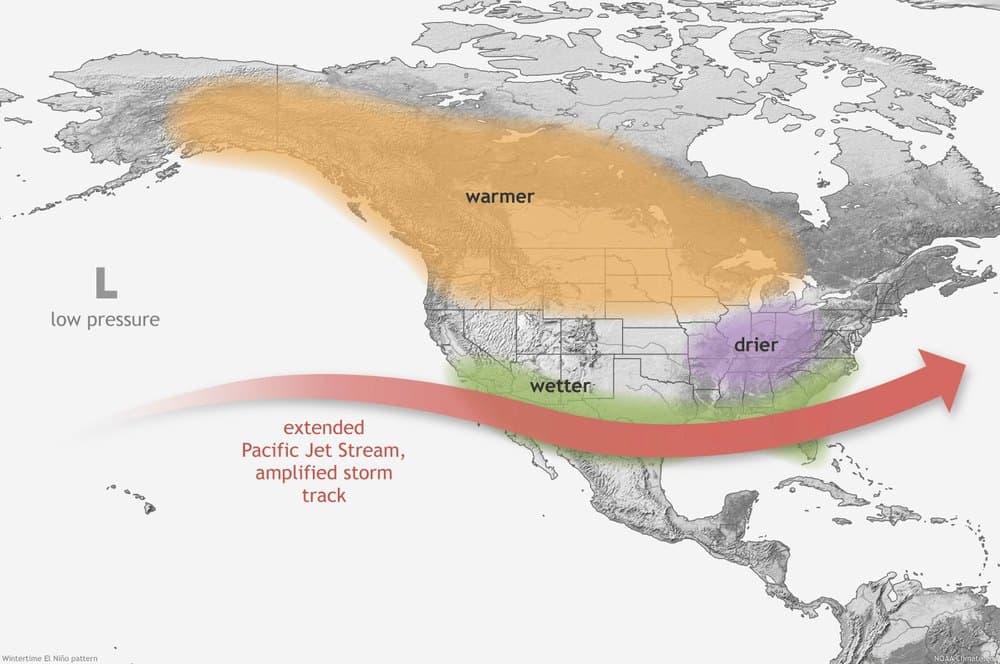
El Niño's effects are far from uniform. Historically, certain regions bear the brunt of its most damaging consequences. Based on typical El Niño patterns and NOAA's current projections, here is what homeowners in key states should expect:
- California and the Pacific Southwest: These states historically see dramatically increased rainfall and flooding during strong El Niño years. Mudslides, overwhelmed drainage systems, and basement flooding are serious concerns. Homeowners should inspect drainage infrastructure, clear gutters, and consider flood insurance if they don't already have it.
- The Gulf Coast (Texas, Louisiana, Mississippi, Florida): Above-normal precipitation and an active storm season can mean flooding, roof damage, and wind-related destruction. Ensuring your roof is in solid condition and reviewing your homeowner's insurance policy for storm and flood coverage is essential.
- The Pacific Northwest (Washington, Oregon): Already prone to wet winters, a strong El Niño can amplify rainfall totals and increase the risk of landslides and structural water intrusion. Basement waterproofing and sump pump maintenance should be top priorities.
- The Northern Tier (Great Lakes, Upper Midwest, New England): These regions may actually see milder, drier winters—which sounds like good news, but can bring reduced snowpack, drought risks by spring, and increased wildfire hazard in forested areas.
- The Southeast and Mid-Atlantic: Wetter and potentially warmer conditions can accelerate mold growth in homes, stress HVAC systems, and lead to localized flooding in low-lying areas.
How Homeowners Can Prepare Right Now
The most important takeaway from NOAA's announcement is this: do not wait. With six to seven months before peak El Niño conditions set in, homeowners have a meaningful window to take protective action. Here are the most impactful steps you can take today:
- Review your insurance coverage: Standard homeowner's insurance typically does not cover flood damage. Contact your insurer to understand your current coverage and consider adding flood insurance through FEMA's National Flood Insurance Program (NFIP) if you live in a vulnerable area.
- Inspect your roof and gutters: A damaged or aging roof is no match for heavy, sustained rainfall. Schedule a professional roof inspection and clear all gutters and downspouts to ensure water is properly directed away from your foundation.
- Check your drainage and landscaping: Make sure your yard slopes away from your home's foundation. Poorly graded lots are among the most common causes of foundation flooding during heavy rain events.
- Prepare an emergency kit: Stock your home with essentials—flashlights, batteries, bottled water, non-perishable food, and a first-aid kit. Identify your evacuation routes if you live in a flood-prone or wildfire-adjacent zone.
- Service your HVAC and sump pump: An operational sump pump can be the difference between a dry basement and thousands of dollars in water damage. Test it now and replace it if it's more than seven to ten years old.
- Document your belongings: Walk through your home and photograph or video all valuables and major appliances. Store copies securely in the cloud. This record will be invaluable if you need to file an insurance claim.
The Bottom Line: Prepare Early, Protect Your Home
A strong El Niño is not a distant possibility—it is a confirmed, developing reality that will reshape weather conditions across the United States well into early 2027. NOAA's forecasters have done their job by sounding the alarm as early as possible. Now it is up to homeowners to act accordingly.
Whether you live in a rain-soaked coastal community or a drought-prone inland region, El Niño will leave its mark on your local weather. The homeowners who fare best will be the ones who prepared months before the storms arrived. Use the time you have wisely, shore up your home's defenses, and stay informed as NOAA continues to update its forecasts through the coming months.