
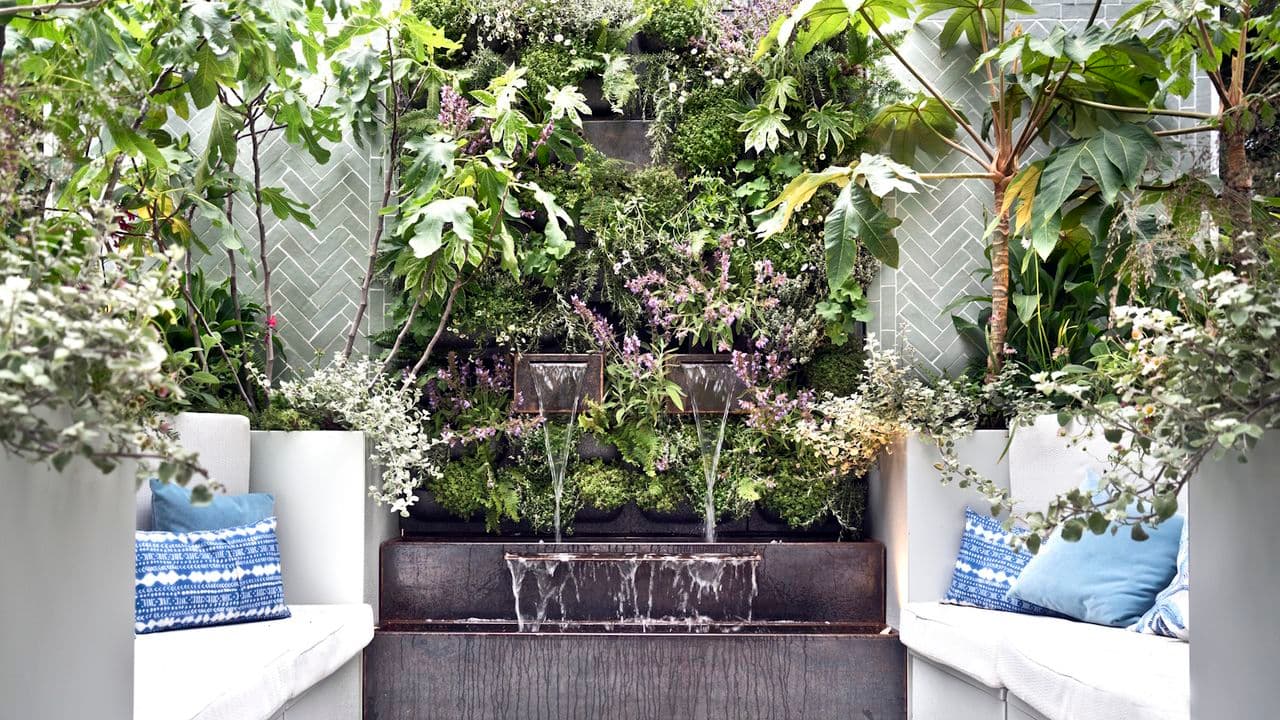
Why Vertical Gardens Struggle When the Temperature Rises
Vertical gardens are one of the most striking ways to bring greenery into small spaces, urban balconies, and interior walls. They look effortless in design magazines and social media feeds — lush, vibrant, and full of life. But anyone who has actually tried to maintain a living wall through a hot summer knows the reality can be very different. Leaves yellow, root systems dry out faster than you can water, and entire panels can collapse into brown, crispy disappointment seemingly overnight.
The truth is that vertical gardens face unique structural and environmental challenges that flat garden beds simply do not. Understanding those challenges is the first step toward building a system that can actually survive — and even thrive — when temperatures climb. Here are the three most common reasons vertical gardens fail in summer, along with practical strategies to make yours far more resilient.
Reason 1: Rapid Moisture Loss Due to Increased Exposure
The most immediate enemy of a vertical garden in summer is moisture loss. Unlike ground-level gardens where soil retains water deep in the earth, vertical systems hold a comparatively small volume of growing medium. That medium is also fully exposed — often on all sides — to sun, wind, and radiant heat from nearby walls or pavement. The result is an evaporation rate that can be two to three times higher than a conventional planter sitting on the ground.
On a hot summer day, a vertical garden positioned in full sun can dry out within hours of watering. Most gardeners underestimate this, applying the same watering schedule they used in spring and then wondering why their plants look stressed by early afternoon.
How to Improve Moisture Retention
- Switch to a drip irrigation or automated watering system. Manual watering is rarely consistent enough in summer. A drip system delivers water directly to the root zone at intervals timed to your specific climate, dramatically reducing both under-watering and water waste.
- Add water-retaining materials to your growing medium. Mixing perlite, coco coir, or hydrogel crystals into your substrate increases its ability to hold moisture between watering cycles without becoming waterlogged.
- Water during cooler parts of the day. Early morning watering gives moisture time to soak in before peak heat. Watering in the midday sun increases evaporation and can even scorch foliage through water droplets acting as tiny lenses.
Reason 2: Inadequate Root Volume and Heat Stress at the Root Zone
The second major cause of summer failure is one that is rarely discussed openly: the root zone itself gets too hot. In a vertical panel or pocket planter, the growing medium is surrounded by a relatively thin layer of material. When the sun beats down on the front face of your living wall — or when the backing structure absorbs heat from a south-facing wall — the roots can experience temperatures far exceeding what they would encounter in the ground. Many popular garden plants begin to suffer root damage at soil temperatures above 85°F (29°C), and in poorly designed vertical systems, that threshold is easily crossed.
Combined with the limited root volume available in most vertical garden modules, this creates a stress cycle that plants cannot easily recover from. Smaller root systems mean reduced access to water and nutrients, which in turn makes the plant less capable of managing heat stress — a vicious cycle that often ends with plant death before the gardener even identifies the real problem.
How to Protect Root Systems in Hot Weather
- Choose modules with adequate depth. Shallow felt pockets may look tidy, but they offer very little root volume. Wherever possible, opt for systems with at least 4 to 6 inches of growing depth to give roots room to establish and insulate themselves.
- Install a thermal barrier or use light-colored backing. Dark backing panels and metal structures absorb and radiate enormous heat. Painting structures white or adding an insulating foam layer behind the frame can reduce root zone temperatures significantly.
- Consider shade cloth during peak summer weeks. A 30–50% shade cloth positioned in front of the wall during the hottest weeks of the year can lower ambient temperature around the structure without eliminating the light plants need.
Reason 3: Wrong Plant Selection for Summer Conditions
Even a perfectly irrigated, thermally optimized vertical garden will fail if it is planted with species that simply cannot tolerate summer heat. Many of the plants most commonly recommended for living walls — ferns, certain mosses, impatiens, and some varieties of ivy — are fundamentally cool-weather or shade-loving species. They may look beautiful when installed in spring, but they deteriorate rapidly once sustained heat arrives.
This mismatch between plant selection and environment is perhaps the most avoidable of the three failure modes, yet it remains extremely common, partly because nurseries and online plant lists rarely specify the heat tolerance levels needed for vertical applications.
Plants That Perform Well in Hot Vertical Gardens
- Succulents and sedums are among the most reliable choices for sun-exposed vertical walls. Their ability to store water in their leaves makes them naturally drought-tolerant, and most varieties actively thrive in high summer temperatures.
- Herbs like thyme, oregano, and rosemary are Mediterranean natives that evolved in hot, dry climates. They are compact, fragrant, and edible — making them a practical and heat-tolerant choice for kitchen-facing vertical gardens.
- Drought-tolerant grasses and sedges add texture and movement while handling heat stress with minimal complaint.
- Heucheras and agapanthus offer bold color and form while tolerating both heat and periodic dryness better than many flowering alternatives.
Building a Vertical Garden That Lasts All Summer
Vertical gardens do not have to be seasonal installations that look great in June and die by August. The three failure modes described above — moisture loss, root heat stress, and poor plant selection — are all solvable problems with the right preparation. The key is to approach your living wall as a system rather than a decoration. Every component, from the backing material to the growing medium to the species you choose, plays a role in how the wall performs under thermal stress.
Investing time in planning before summer arrives — rather than scrambling to troubleshoot once plants are already in decline — is the single highest-leverage action you can take. Audit your current setup against each of the three reasons outlined here. Even small adjustments, like shifting your watering schedule, swapping a few heat-sensitive plants, or adding a thermal barrier, can make the difference between a living wall that fades and one that becomes the most impressive feature of your space all summer long.