
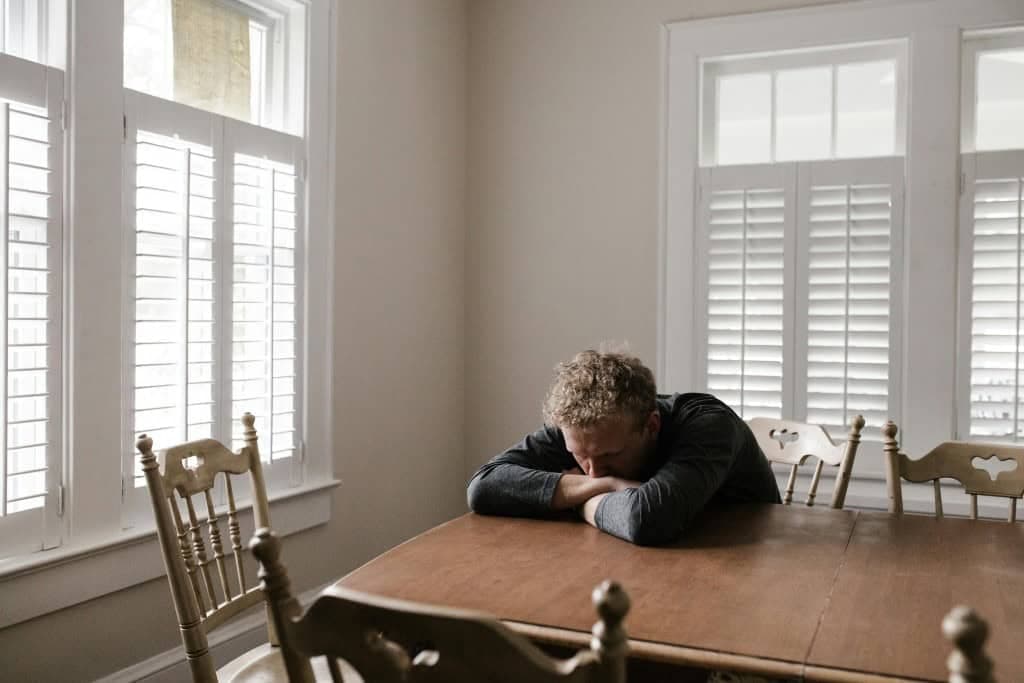
What Is Home Buyer's Remorse?
Buying a home is one of the most significant financial and emotional decisions you will ever make in your lifetime. From the rush of getting your offer accepted to the anxiety that builds before closing day, the entire process can feel like a rollercoaster. But for many buyers, once the initial excitement fades and the reality of homeownership sets in, an unsettling feeling of doubt can take hold. That feeling has a name: home buyer's remorse.
Home buyer's remorse refers to the regret, anxiety, or uncertainty a person feels after purchasing a home. It can surface days, weeks, or even months after closing and can range from mild second-guessing to serious financial stress. Whether you are buying a home in Dallas, TX or Baltimore, MD, understanding the root causes of this feeling — and how to prevent it — can make the difference between a purchase you celebrate and one you quietly regret.
Common Causes of Home Buyer's Remorse
Before you can avoid buyer's remorse, it helps to understand where it typically comes from. There is rarely a single cause. More often, it is a combination of emotional, financial, and practical factors that build up over time.
1. Overpaying for the Property
In a competitive housing market, buyers sometimes get caught up in bidding wars and end up paying more than a home is objectively worth. Once the adrenaline wears off, the reality of a higher monthly mortgage payment and the question of whether you overpaid can weigh heavily on your mind. A thorough comparative market analysis before submitting any offer can help you stay grounded in what a property is actually worth.
2. Skipping or Rushing the Home Inspection
Some buyers, especially in hot markets, waive their home inspection contingency to make their offer more attractive to sellers. While this strategy can help you win the bid, it can also lead to nasty surprises after move-in — from structural issues to outdated electrical systems. Discovering major problems after you have already signed the paperwork is one of the fastest paths to buyer's remorse. Whenever possible, insist on a thorough inspection before closing.
3. Buying Based on Emotion Rather Than Logic
It is easy to fall in love with a home that has beautiful staging, great natural light, or a dream kitchen — and overlook its very real drawbacks. Maybe the neighborhood does not fit your lifestyle, the commute is longer than you expected, or the school district does not meet your family's needs. Making a decision driven purely by emotion, without checking it against a practical list of requirements, frequently leads to post-purchase regret.
4. Stretching the Budget Too Thin
A mortgage lender may approve you for far more than you can comfortably afford on a monthly basis. When buyers stretch to the very top of their budget, the ongoing costs of homeownership — property taxes, insurance, maintenance, and unexpected repairs — can quickly become overwhelming. Feeling financially strained in your new home is a guaranteed recipe for regret.
5. Rushing the Decision
Fear of missing out is real in competitive real estate markets. When inventory is low and homes are moving fast, buyers sometimes feel pressured to make quick decisions they have not fully thought through. Rushing into a purchase without taking enough time to evaluate your options is a common trigger for buyer's remorse down the line.
Warning Signs You Might Experience Buyer's Remorse
Being aware of the warning signs before and during the buying process can help you pause, reflect, and course-correct before it is too late. Watch out for these red flags:
- You feel more relieved than excited when your offer is accepted.
- You have persistent doubts about the neighborhood or location.
- You are ignoring concerns raised by your real estate agent or loved ones.
- You are already thinking about changes you would need to make to feel comfortable in the home.
- The monthly payment makes you feel anxious rather than proud.
If any of these resonate with you during the buying process, it may be worth slowing down rather than pushing forward just to close the deal.
How to Avoid Home Buyer's Remorse
The good news is that home buyer's remorse is largely preventable. With the right preparation, mindset, and team around you, you can approach the purchase of your home with clarity and confidence.
Define Your Must-Haves Before You Start Shopping
Before you ever step inside an open house, sit down and create a clear, honest list of your non-negotiable requirements. How many bedrooms do you truly need? How long of a commute can you tolerate? Do you need to be in a specific school district? Having this list in hand keeps you focused on what matters and helps you resist the pull of a beautiful home that does not actually meet your needs.
Get Pre-Approved and Know Your Real Budget
A mortgage pre-approval gives you a realistic picture of what you can borrow, but your comfortable budget may be lower than your maximum approval. As a general rule, your total housing costs — including mortgage, taxes, and insurance — should not exceed 28 to 30 percent of your gross monthly income. Staying within a budget you can comfortably manage removes one of the biggest sources of post-purchase anxiety.
Never Skip the Home Inspection
No matter how competitive the market is, a professional home inspection is one of the best investments you can make during the buying process. A qualified inspector will uncover hidden issues that are not visible to the untrained eye, giving you the information you need to negotiate repairs, adjust your offer, or walk away entirely if the problems are too significant.
Take Your Time and Visit the Neighborhood at Different Times
Visit a home more than once before making an offer, and explore the surrounding neighborhood at different times of day and on different days of the week. A quiet street on a Sunday afternoon may tell a very different story on a Tuesday evening rush hour. Getting a true feel for where you will be living day-to-day is essential for long-term satisfaction.
Work With an Experienced Real Estate Agent
A knowledgeable real estate agent is not just someone who opens doors for you. A great agent will help you analyze comparable sales, identify potential red flags in a property, negotiate on your behalf, and keep your emotions in check when the process gets stressful. Their experience and objectivity are invaluable tools in making a smart, informed decision.
What to Do If You Already Feel Buyer's Remorse
If you have already closed and the regret has started to set in, know that you are not alone. Many homeowners experience some degree of doubt after purchasing. Give yourself time to adjust to your new home and the new financial reality that comes with it. Focus on what drew you to the home in the first place, begin making it your own through personalization and improvements, and talk openly with a financial advisor if money concerns are at the core of your anxiety.
In most cases, buyer's remorse fades as you settle into your home and start building equity. Homeownership remains one of the most reliable long-term wealth-building strategies available, and with patience and perspective, many buyers find that their initial doubts were simply part of a very normal adjustment period.
Final Thoughts
Home buyer's remorse is more common than most people realize, but it is also highly avoidable with the right approach. By doing your research, setting a realistic budget, insisting on a home inspection, and choosing a property that genuinely fits your lifestyle rather than just your emotions, you put yourself in the best possible position to make a purchase you will be proud of for years to come. The keys to a confident home purchase are preparation, patience, and having a trusted team by your side every step of the way.