
Virginia Takes a Bold Step Toward Housing Affordability With Manufactured Housing Reform
Virginia is making headlines with a sweeping new push to address one of the most pressing challenges facing American families today: the rising cost of housing. Governor Abigail Spanberger has signed a package of bills designed to expand access to manufactured housing, ease development restrictions, and protect residents from exploitative fees. This legislative milestone marks one of the most significant moves Virginia has made in years to confront its deepening housing affordability crisis.
What Governor Spanberger Signed and Why It Matters
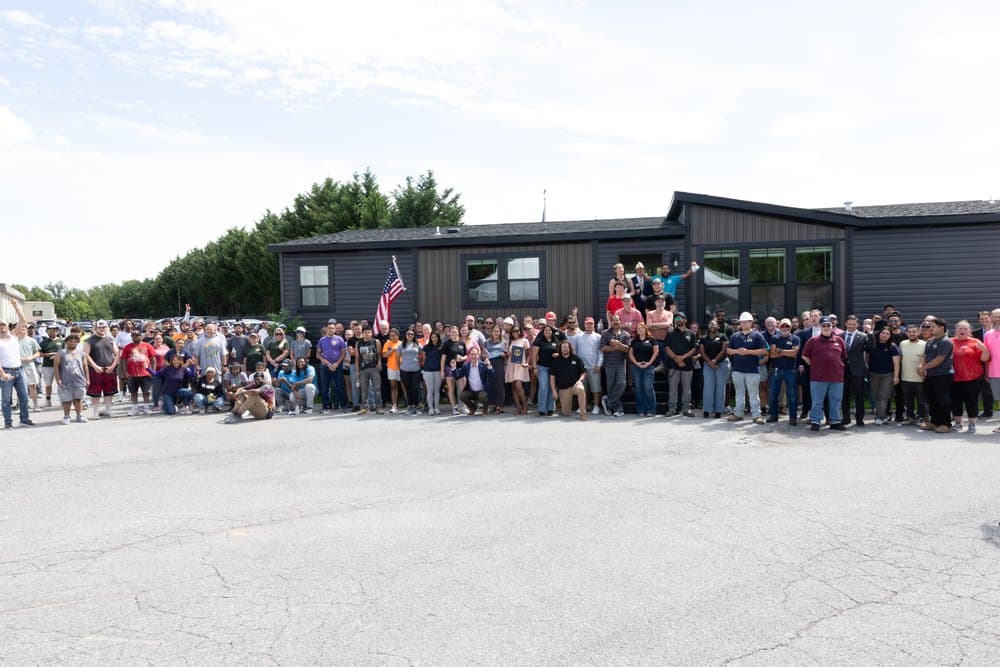
In a symbolic and substantive move, Governor Spanberger signed approximately half a dozen housing-related bills at a Cavco manufacturing plant in Rocky Mount, Virginia. The location itself sent a clear message: manufactured housing is no longer a second-tier option but a legitimate and valued form of homeownership in the commonwealth.
The legislation covers several key areas, including easing the development of manufactured housing communities, protecting residents from unexpected or excessive fees, and ensuring that manufactured homes carry the same legal standing as any other type of residential property under Virginia law. These protections are especially meaningful for the tens of thousands of Virginians who already live in manufactured homes, many of whom have historically faced regulatory disadvantages and financial vulnerabilities that traditional homeowners do not encounter.
"Virginia is taking concrete steps to tackle the housing crisis—expanding supply, protecting tenants, increasing transparency, and making sure that manufactured housing has the same standing under Virginia law as any other home," Spanberger said during the signing ceremony.
Understanding Virginia's Housing Crisis
To fully appreciate why these bills are so consequential, it is important to understand just how dramatically the Virginia housing market has shifted in recent years. Median list prices across the commonwealth have climbed by an estimated 34.4% since 2019, a staggering increase that has pushed homeownership further out of reach for many working families, young professionals, and first-time buyers.
This price surge is not unique to Virginia, but the commonwealth faces particular pressures due to its mix of high-cost urban corridors near Washington, D.C., and more rural communities where income levels have not kept pace with real estate appreciation. The gap between what residents earn and what homes cost has widened considerably, creating urgent demand for policy solutions that can meaningfully expand the supply of affordable housing.
How Manufactured Housing Fits Into the Affordability Solution
Manufactured housing has long been one of the most cost-effective forms of homeownership available in the United States, yet it has also been one of the most misunderstood and undervalued. Modern manufactured homes bear little resemblance to the mobile homes of decades past. They are built to strict federal construction and safety standards, offer energy efficiency comparable to site-built homes, and can be customized to suit a wide variety of tastes and needs.
The primary financial advantage of manufactured housing is clear: these homes typically cost significantly less per square foot than traditionally constructed homes, making them an accessible entry point for buyers who might otherwise be permanently priced out of the market. By removing regulatory barriers to manufactured housing development and giving these properties equal legal footing, Virginia is effectively expanding its affordable housing inventory without requiring large-scale public expenditure.
- Lower construction costs: Manufactured homes are built in controlled factory environments, which reduces material waste and labor costs significantly compared to on-site construction.
- Faster delivery: Because construction happens off-site, manufactured homes can be delivered and installed in a fraction of the time required for traditional builds, helping to address supply shortages more quickly.
- Federal safety standards: All manufactured homes must comply with the HUD Code, a federal set of construction and safety requirements that governs everything from structural integrity to energy efficiency.
- Community protections: The new Virginia legislation includes provisions to protect manufactured housing community residents from arbitrary fee increases and other financial burdens that have historically destabilized these communities.
A Broader Housing Agenda Taking Shape
The manufactured housing bills are part of a broader legislative and executive agenda that Spanberger has been advancing since taking office. In addition to the new laws signed this week, her administration has pursued a series of executive orders and policy initiatives aimed at expanding housing supply, increasing transparency in the real estate market, and strengthening tenant protections across the board.
This comprehensive approach reflects a growing recognition among policymakers that the housing affordability crisis cannot be solved through any single intervention. It requires a multifaceted strategy that addresses zoning restrictions, construction costs, financing barriers, and the availability of diverse housing types at various price points.
What This Means for Homebuyers and Investors in Virginia
For prospective homebuyers in Virginia, the legalization and normalization of manufactured housing represents a meaningful new option. Buyers who have been watching the market from the sidelines due to high prices may now find viable pathways to ownership through manufactured housing communities or by purchasing land and placing a manufactured home on it.
For real estate investors and developers, the regulatory changes signal a friendlier environment for manufactured housing projects, potentially opening up new opportunities in communities across the state, particularly in rural and suburban areas where land is more available and affordable.
Looking Ahead: Can Virginia's Approach Serve as a National Model?
Virginia's legislative push is drawing national attention as other states wrestle with similar affordability challenges. By granting manufactured housing equal legal standing and actively removing barriers to its development, the commonwealth is charting a course that other states may well choose to follow. If the reforms succeed in meaningfully expanding housing supply and stabilizing prices over the coming years, Virginia could emerge as a model for progressive, practical housing policy in an era when affordable homes remain elusive for far too many American families.
The road ahead will not be without obstacles. Zoning ordinances at the local level, community opposition, and financing challenges for manufactured home buyers will all need to be addressed over time. But with decisive action from the governor's office and a clear legislative framework now in place, Virginia has taken a significant and encouraging step in the right direction.