
Why Watering Pumpkins in Hot Weather Is Such a Challenge
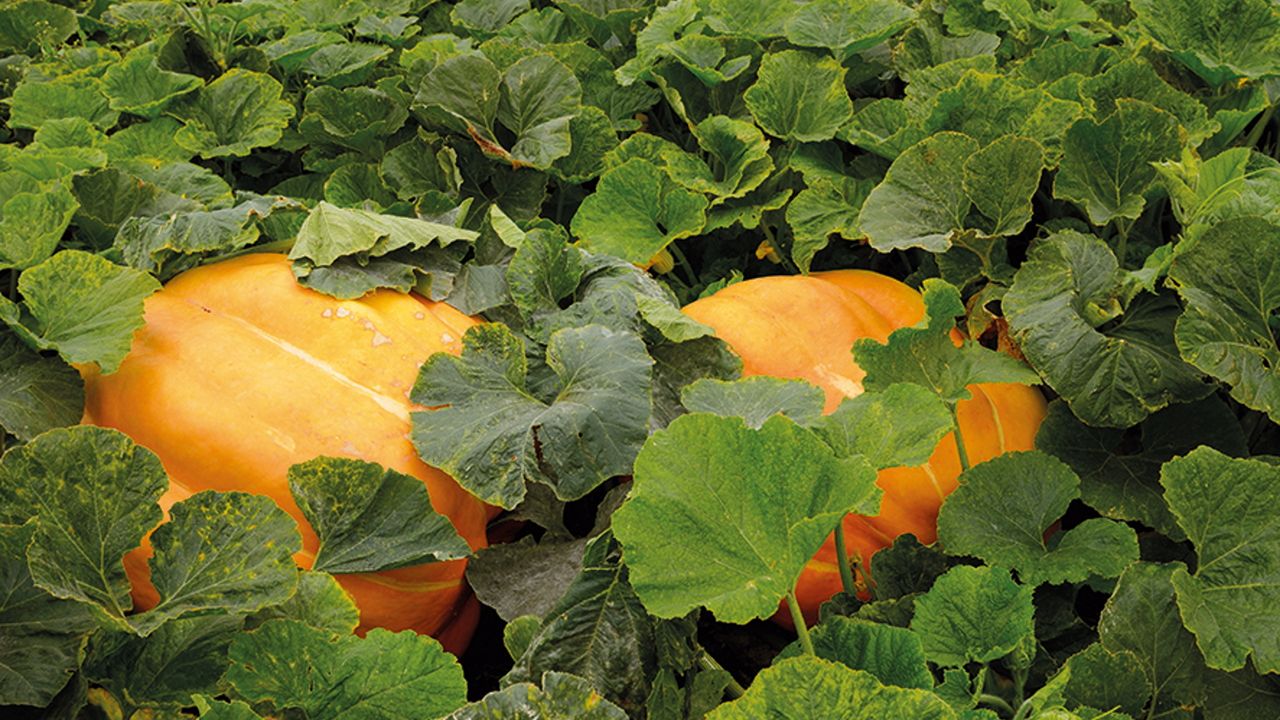
Growing pumpkins is one of summer's great gardening pleasures — but keeping them properly hydrated when temperatures soar is a different story. Pumpkins are thirsty plants by nature. Their enormous leaves act like solar panels, absorbing heat and releasing moisture at a rapid rate through a process called transpiration. When a heat wave rolls in, that moisture loss accelerates dramatically, leaving gardeners scrambling to drag hoses out morning and evening just to keep their vines from wilting.
The problem with conventional overhead watering is that much of it never reaches the roots at all. It evaporates off the soil surface before it can penetrate deeply, and it often splashes onto the large pumpkin leaves, creating the humid, wet conditions that fungal diseases like powdery mildew and downy mildew absolutely love. You end up working harder, wasting water, and still not giving your pumpkins what they actually need: deep, consistent moisture delivered directly to their root zone.
Fortunately, there is a surprisingly simple trick that experienced growers use to solve all of these problems at once — and it costs almost nothing to set up.
The Simple Trick: DIY Buried Bottle Drip Irrigation
The secret is buried bottle drip irrigation, sometimes called an Olla-inspired watering system. The concept is ancient — it has been used in arid farming regions for thousands of years — but it works just as brilliantly in a modern backyard pumpkin patch. The idea is to deliver water slowly and directly underground, right where pumpkin roots are hungriest, rather than broadcasting it across the soil surface where it can evaporate or run off.
All you need are a few large plastic bottles — one- or two-liter soda bottles work perfectly — a nail or sharp skewer, and water. That's it. Here's how to set it up:
- Use a nail or skewer to poke four to six small holes in the sides of the bottle, near the bottom. The holes should be tiny — you want a slow, steady seep, not a gush.
- Bury the bottle near the base of your pumpkin plant, leaving only the neck and cap exposed above the soil line. The bottle should sit at an angle or upright, with the holed portion buried about six to eight inches deep.
- Fill the bottle with water and loosely replace the cap. The loose cap slows evaporation from the top while allowing air in, which regulates the drip rate.
- Refill every one to three days depending on how hot the weather is and how large your plants have grown.
As the water slowly seeps through those tiny holes underground, it travels directly to the root zone with almost zero surface evaporation. The soil around the roots stays consistently moist rather than experiencing the dramatic wet-dry cycles that stress pumpkin plants and reduce fruit quality.
Why This Method Works So Well for Pumpkins Specifically
Pumpkins develop a surprisingly deep and wide root system relatively quickly. While the main taproot anchors the plant, feeder roots spread outward and downward seeking moisture. Surface watering, especially the light daily splashing that many gardeners default to in hot weather, only wets the top couple of inches of soil. Those shallow roots become the only active feeders, making the plant perpetually vulnerable to heat stress.
Buried bottle irrigation changes that dynamic completely. By placing moisture at depth, you encourage roots to grow downward and outward, building a robust underground network that can access water even when the top layer of soil dries out between fills. A well-rooted pumpkin plant is dramatically more heat tolerant than one that depends on frequent shallow watering.
There is also the significant benefit of keeping foliage dry. Wet pumpkin leaves in hot, humid weather are an open invitation to fungal disease. By eliminating overhead watering entirely and delivering everything underground, you reduce the risk of powdery mildew and other common pumpkin diseases substantially.
Boosting the Effect With Mulch
Pair your buried bottle system with a generous layer of mulch and you will almost double its effectiveness. Spread three to four inches of straw, wood chips, or shredded leaves around the base of your pumpkin plants, keeping it a few inches clear of the main stem to prevent rot. Mulch acts as an insulating blanket over the soil, dramatically reducing surface evaporation and keeping root-zone temperatures cooler even when the air above is blazing.
Together, buried bottle irrigation and mulch can reduce your pumpkin watering frequency by fifty percent or more during hot spells, while actually improving the consistency and quality of moisture the plant receives. You spend less time hauling hoses and your pumpkins spend more time putting energy into growing and setting fruit.
Signs Your Pumpkins Are Getting Enough Water
Even with the best irrigation system, it pays to monitor your plants. A well-watered pumpkin will have firm, upright stems and leaves that stay turgid through the morning hours. Some midday wilting is normal and not a cause for alarm — pumpkin leaves naturally droop a little in peak afternoon heat as a self-protective mechanism. The warning sign is wilting that persists into the early evening after temperatures have dropped.
Check soil moisture by pushing a finger four to five inches into the ground near the buried bottle. It should feel consistently damp but never waterlogged. Soggy soil with poor drainage can cause root rot just as surely as drought can cause stress.
Scale It Up for Larger Patches
One of the best things about this method is how easily it scales. For a single pumpkin plant, one or two buried bottles are usually sufficient. For a larger patch with multiple plants, simply bury a bottle or two per plant and establish a simple refilling routine every couple of days. You can also step up to one-gallon jugs for bigger plants late in the season when fruit is developing and water demands peak.
Growing great pumpkins in hot weather does not have to mean constant effort. With this one simple underground watering trick, a little mulch, and a consistent refilling routine, you can keep your pumpkin patch thriving all the way through harvest — no matter how high the thermometer climbs.