
What Are Chromatic Neutrals? The Elevated Color Trend Designers Say Is Replacing Boring Schemes
If your living room is dressed in plain greige and your bedroom walls are a flat, forgettable white, you are not alone — but you may already be behind the curve. Interior designers and color experts across the globe are talking about one trend that is quietly dismantling the reign of safe, lifeless neutrals: chromatic neutrals. This nuanced, sophisticated approach to color is giving homeowners and designers alike a powerful new vocabulary for creating spaces that feel calm yet compelling, understated yet deeply alive.
So what exactly are chromatic neutrals, and why is everyone from high-end decorators to mainstream paint brands suddenly obsessed with them? Let's break it all down.
Defining Chromatic Neutrals
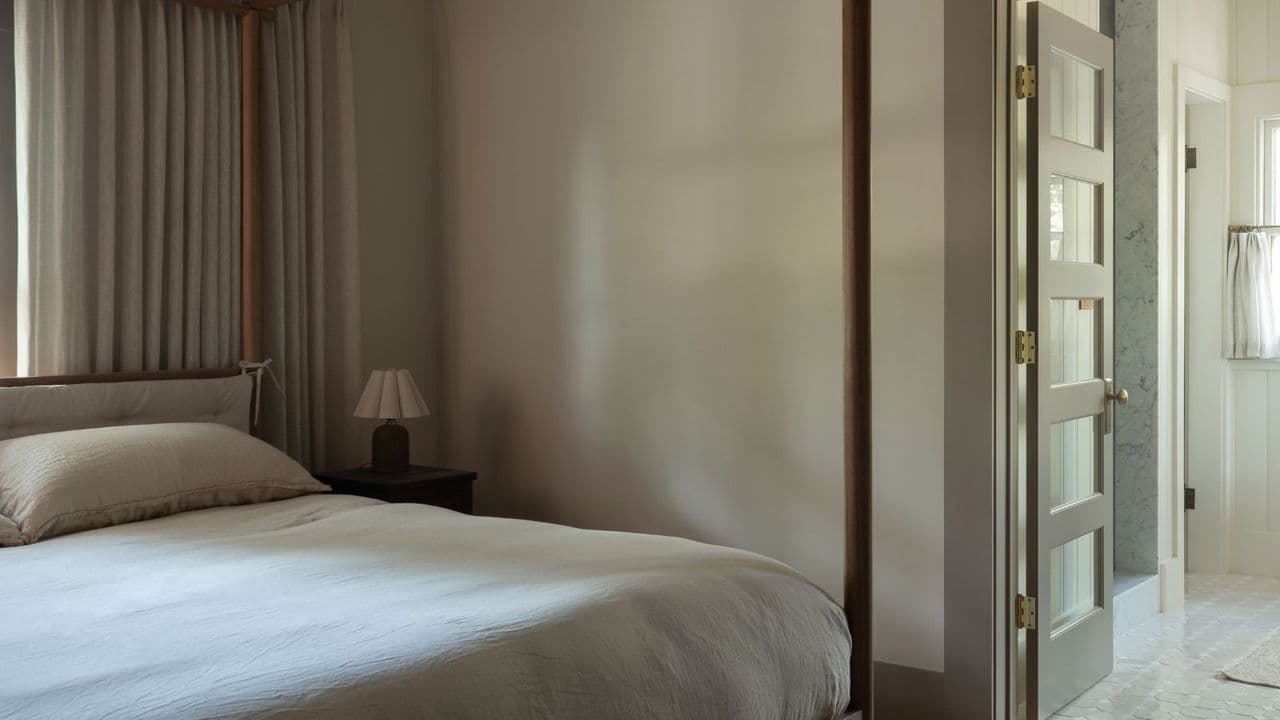
A chromatic neutral is not your grandmother's beige. At its core, the term refers to colors that appear neutral at first glance — think soft taupes, muted sages, dusty blush tones, warm off-whites, and smoky blues — but carry a subtle, intentional undertone that gives them unmistakable depth and character. Unlike traditional neutrals, which tend to sit flat and colorless on a wall, chromatic neutrals shift and breathe depending on the light, the time of day, and the materials surrounding them.
The "chromatic" part of the name is key. These colors contain a measurable amount of chroma — that is, color saturation — even if it is low. A chromatic neutral might be a gray with a clear violet lean, a white with warm terracotta undertones, or a beige that leans unmistakably green in afternoon sun. They occupy the space between full color and zero color, and that in-between territory is precisely what makes them so versatile and so visually interesting.
Why Designers Are Embracing This Trend Now
The rise of chromatic neutrals is not accidental. It is a direct response to a decade of two competing extremes: the sterile all-white interiors that dominated the 2010s, and the maximalist, bold-color rooms that surged in popularity as a reaction to all that white. Chromatic neutrals offer a third path — one that is neither cold and clinical nor visually overwhelming.
Designers point to several reasons this trend is gaining momentum so rapidly in 2025.
- Sophistication without commitment: Chromatic neutrals allow homeowners to introduce real color into a space without the fear of a palette that ages poorly or clashes with furnishings. The subtlety of the undertone gives the room personality while maintaining broad compatibility.
- Emotional resonance: Color psychology research consistently shows that spaces with some chroma — even low chroma — feel more emotionally engaging than purely achromatic environments. Chromatic neutrals deliver that emotional warmth without tipping into sensory overload.
- Photographic depth: In an era where everyone photographs their homes for social media, chromatic neutrals photograph beautifully. They create dimension and tonal richness that flat grays and stark whites simply cannot replicate on a screen.
- Longevity: Because these colors are rooted in restraint, they tend to feel timeless rather than trendy. A chromatic sage green or a warm putty tone is far less likely to feel dated in five years than a saturated statement wall.
Popular Chromatic Neutral Palettes in 2025
If you are considering incorporating chromatic neutrals into your home, it helps to know which specific color families designers are gravitating toward this year.
Warm Mineral Tones
Think sandy ocres, soft terracottas, and creamy yellows with a stone-like quality. These tones evoke sun-warmed plaster and ancient architecture. They work particularly well in living rooms and dining spaces where warmth and conviviality are the goal. Paint brands like Farrow and Ball, Benjamin Moore, and Portola Paints have all released expanded warm mineral collections to meet the demand.
Muted Botanical Greens
Dusty sage, soft olive, and cool celadon are having a major moment. These greens sit far enough from the wall that they feel atmospheric rather than bright, and they pair naturally with natural wood tones, linen fabrics, and aged brass hardware. They are particularly popular in bedrooms and home offices, where their calming quality supports focus and rest.
Smoky Blues and Violet-Grays
Perhaps the most elevated end of the chromatic neutral spectrum, these colors — think dusk-lit periwinkle or a gray with a definitive lavender lean — bring a sense of quiet drama. They work brilliantly in bedrooms, reading nooks, and powder rooms where a more intimate, enveloping mood is desired.
Blush and Pinkish Putties
Far removed from millennial pink, these soft blushes and dusty rose-adjacent putties feel almost skin-like in their warmth. They are ideal for creating spaces that feel tender and human, and they layer beautifully with deep burgundies, warm creams, and cognac leather.
How to Incorporate Chromatic Neutrals Into Your Home
Getting chromatic neutrals right requires a slightly different approach than simply picking a color chip and rolling it onto the wall. Here are some practical strategies designers recommend.
- Test in your specific light conditions: Because chromatic neutrals shift with light, always test large paint samples — at least 12 by 12 inches — on the actual walls you plan to paint. Observe them at different times of day and under both natural and artificial lighting.
- Layer tones within the same chromatic family: The most sophisticated chromatic neutral rooms use multiple shades with a shared undertone. A room with walls in soft sage, trim in a warm cream, and accent pieces in deeper olive feels intentional and curated rather than matchy-matchy.
- Let materials do some of the work: Linen, stone, raw wood, unpolished concrete, and woven textiles all carry their own chromatic neutrality. Let the materials in your furniture and textiles dialogue with your wall color rather than fighting for attention.
- Avoid mixing warm and cool undertones carelessly: The most common mistake when working with chromatic neutrals is pairing a cool-undertone neutral with a warm-undertone neutral without intention. When done thoughtlessly, this creates visual tension rather than harmony.
The Bigger Picture: A Shift Toward Intentionality
The chromatic neutral trend ultimately reflects a broader cultural shift in how we think about our living environments. After years of following rules — all white for resale value, all gray for modernity — homeowners are beginning to ask more personal and intuitive questions about color. How does this wall make me feel at 7 a.m.? Does this room feel like mine?
Chromatic neutrals answer those questions by offering color that is genuinely felt rather than simply seen. They invite you to engage with your space on a sensory level without demanding that you become a maximalist. In that sense, they are not just a color trend — they are a philosophy of living, one that prizes depth, nuance, and quiet beauty over noise and novelty.
Whether you are planning a full interior refresh or simply thinking about repainting a single room, chromatic neutrals are worth serious consideration. They are the rare design trend that manages to feel both of-the-moment and genuinely enduring — and in the world of interior design, that combination is about as rare as it gets.